
Many travelers view Cusco as just a quick stop on the way to Machu Picchu. However, with so many incredible things to do in Cusco, this ancient city high in the Andes mountains deserves time of its own. Cusco was once the capital of the Inca Empire. Later, Spanish settlers built churches on top of Incan temples. Today, it is a lively hub where history meets modern Peruvian life.
Instead of a generic list of sights, this guide helps you prioritize the top things to do in Cusco based on altitude, budget, and travel style. Using verified information from official sources like PROMPERÚ and COSITUC, this guide ensures a smooth trip.
At a Glance: Best Experiences by Travel Interest
- History & Architecture: Explore Qorikancha and Sacsayhuamán.
- Food & Local Life: Eat traditional dishes at San Pedro Market and take a cooking class.
- Culture & Arts: Stroll through artisan workshops in San Blas.
- Nature & Adventure: Take day trips to the Sacred Valley, Humantay Lake, or Rainbow Mountain.
Quick Answer: What to Do in Cusco
Cusco offers a mix of ancient Incan ruins, colonial architecture, vibrant markets, and mountain day trips. Balance historic city walks with outdoor excursions in the nearby Andes.
- How many days should you spend? Plan for 3 to 4 full days in Cusco to adjust to the high altitude before active trips.
- Which experiences require booking ahead? Machu Picchu tickets and Inca Trail permits sell out months in advance through official portals like the Ministry of Culture Peru. Train tickets on PeruRail or IncaRail also require early booking.
- Which attractions are free? Walking around historic plazas, exploring local neighborhoods, and watching sunset views cost nothing.
Top 5 Must-Experience List
- Explore the Historic City Center: Take in colonial buildings, Incan stone walls, and the main square.
- Visit Sacsayhuamán: Marvel at giant Incan stone walls above the city.
- Experience San Pedro Market: Walk through stalls filled with fresh fruits, cheeses, and hot soups.
- Wander San Blas: Stroll narrow cobblestone streets lined with artisan workshops.
- Take a Sacred Valley Day Trip: See ancient terraces, salt mines, and traditional Quechua mountain villages.
Before You Start Exploring: Your First 24 Hours in Cusco
Cusco sits at 3,400 meters (11,152 feet) above sea level. Because the air contains less oxygen, most visitors feel slightly breathless or dizzy on arrival. Taking it easy during your first day prevents altitude sickness.
Drink plenty of water and sip warm coca tea, which Quechua locals have used for centuries to ease altitude symptoms. You can also buy altitude medication at local pharmacies. Avoid heavy meals, alcohol, and steep hikes right away. Stick to flat streets near your hotel.
Perfect Arrival Day Plan
- Morning: Check into your hotel, drink coca tea, and rest for two hours.
- Lunch: Eat a light meal, such as chicken broth or vegetable soup.
- Afternoon: Take a slow walk on flat ground around the city center and rest on a plaza bench.
- Evening: Enjoy an early dinner near your hotel and get a full night of sleep.
Experience the Historic Heart of Cusco
The center of Cusco holds centuries of stacked history and is an official UNESCO World Heritage Site. Incan stonework forms the base of many Spanish colonial buildings.
Plaza de Armas
The Plaza de Armas is the heartbeat of Cusco. Manicured gardens sit in the middle, surrounded by stone arcades, busy cafes, and historic churches. It is an ideal spot to start your morning walk or relax in the late afternoon.
Cusco Cathedral
Standing tall on the main square, the Cusco Cathedral took almost 100 years to build. Inside, you will find impressive wood carvings, silver altars, and famous oil paintings. Look closely at the Last Supper painting to spot a guinea pig served on the central plate.
Qorikancha (Temple of the Sun)
Qorikancha was once the richest temple in the Inca Empire. Its interior walls were originally covered in sheets of solid gold. Spanish forces built the Convent of Santo Domingo on top of the foundation. Today, you can compare perfectly fitted Incan stone walls with Spanish brick arches. Entry requires a separate ticket at the door or access to the nearby Coricancha Museum.
Twelve-Angled Stone
Located on Calle Hatun Rumiyoc, this famous stone displays incredible Incan stonemasonry. The block fits so tightly into the wall that you cannot slip a sheet of paper between the joints. It has twelve distinct corners carved by hand without metal tools.
| Attraction | Time Needed | Ticket Needed? | Best Time to Visit | Priority Level |
| Plaza de Armas | 1 hour | Free | Early morning | High |
| Cusco Cathedral | 1 to 1.5 hours | Paid (Cathedral Ticket) | Morning | Medium |
| Qorikancha | 1.5 hours | Paid (Entry at door) | Mid-afternoon | High |
| Twelve-Angled Stone | 15 minutes | Free | Early morning (fewer crowds) | High |
Discover the Neighborhoods That Give Cusco Its Character
Walk beyond the main monuments to feel the real energy of the city. Each neighborhood offers a unique atmosphere and architecture.
San Blas
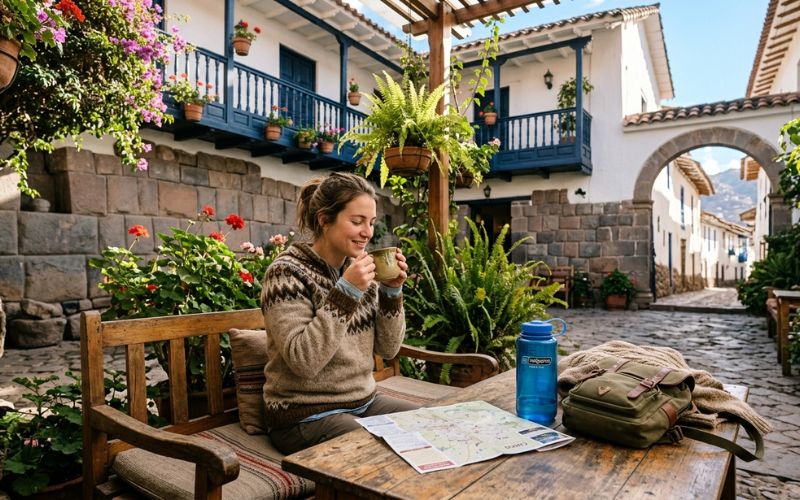
San Blas is Cusco’s artistic district. Located up a steep hill northeast of the main square, this area features narrow alleyways, whitewashed walls, and blue window frames. You will find family workshops, cozy coffee shops, and quiet artisan galleries.
Historic Center
The Historic Center includes the main streets surrounding the cathedral and government buildings. It stays lively day and night with street performers, tour operators, restaurants, and shops. It is convenient for walking, though it sees high foot traffic.
Local Streets Beyond Tourist Areas
Walking west past the markets brings you into residential areas like Barrio de Santa Ana and Wanchaq. Here, vendors sell fresh produce, local bakeries bake fresh breads, and families shop for daily goods.
| Area | Best For | Time Needed | Day or Night Vibe |
| San Blas | Artisans, cafes, galleries | 2 to 3 hours | Charming by day, quiet by night |
| Historic Center | Main sights, dining, architecture | 3 to 4 hours | Energetic all day and evening |
| Barrio de Santa Ana | Quiet streets, local history, views | 2 hours | Peaceful during the day |
Explore the Inca Legacy Beyond the City Streets
Just above Cusco sit four major archaeological sites known as the northern ruins. You can visit them together in half a day using a taxi, a tour, or a scenic walk.
Sacsayhuamán
Sacsayhuamán is an enormous Incan citadel built with stone blocks weighing over 100 tons. The stones lock together like giant puzzle pieces. The top of the hill offers sweeping views across the Cusco valley.
Q’enqo
Q’enqo is an archaeological site carved into a massive limestone rock. Inside dark stone passages, you will see polished altars where the Incas conducted sacred ceremonies.
Puka Pukara
Puka Pukara translates to “Red Fortress” in Quechua. It served as a military checkpoint for travelers entering Cusco. The red tint of the stone stands out during late afternoon sunlight.
Tambomachay
Located right next to Puka Pukara, Tambomachay features stone canals, aqueducts, and waterfalls. Researchers believe the site served as an Incan water shrine or royal resort.
| Site | Difficulty | Included in Tourist Ticket? | Walkable from City? |
| Sacsayhuamán | Moderate uphill | Yes (Included in Boleto) | Yes (30-minute uphill walk) |
| Q’enqo | Easy | Yes (Included in Boleto) | Yes (45-minute uphill walk) |
| Puka Pukara | Easy | Yes (Included in Boleto) | No (Take taxi or bus) |
| Tambomachay | Easy | Yes (Included in Boleto) | No (Take taxi or bus) |
Taste Cusco Through Food, Markets, and Local Drinks
Peruvian food is famous worldwide, and Cusco offers a rich mountain food culture based on potatoes, corn, and fresh herbs.
San Pedro Market
San Pedro Market is a feast for the senses. Long aisles host vendors selling colorful textiles, medicinal herbs, fresh fruits, and cooked meals. Stop by juice stalls for a smoothie made on the spot. In the early evening, local stalls serve warm mountain soups like Caldo de Gallina (chicken soup).
Traditional Food and Drink Experiences
- Local Dishes: Try Lomo Saltado (stir-fried beef with onions and fries) or Cuy (roasted guinea pig).
- Street Snacks: Grab warm giant corn served with salty cheese slices (Choclo con Queso).
- Chocolate & Coffee: Learn how cacao turns into chocolate at the ChocoMuseo, or sip specialty coffee grown in the nearby Quillabamba valley.
- Pisco Tasting: Enjoy a refreshing Pisco Sour, Peru’s national cocktail made with grape brandy, lime, and egg whites.
What to Avoid Buying
- Tap Water & Uncooked Salads: Tap water in Cusco is not safe to drink directly. Stick to bottled water, and avoid unpeeled raw vegetables in street stalls.
- Fake Alpaca Sweaters: Acrylic sweaters are often sold as real alpaca wool. Authentic alpaca wool feels cool, heavy, and soft.
| Food or Drink | Short Description | Average Cost | Where to Try |
| Lomo Saltado | Beef cooked with onions, tomatoes, and fries | $8 – $14 USD | Sit-down restaurants |
| Choclo con Queso | Giant Andean corn served with fresh cheese | $1 – $2 USD | Street vendors |
| Pisco Sour | Lime cocktail made with local grape spirit | $5 – $8 USD | Local cocktail bars |
| Fresh Juice | Blended fresh fruit drink | $1.50 – $3 USD | San Pedro Market juice aisle |
Choose the Right Day Trip Instead of Booking the Most Popular One
Cusco serves as the main base for spectacular day trips across the Andes mountains. Pick options that match your fitness level and schedule.
Sacred Valley of the Incas
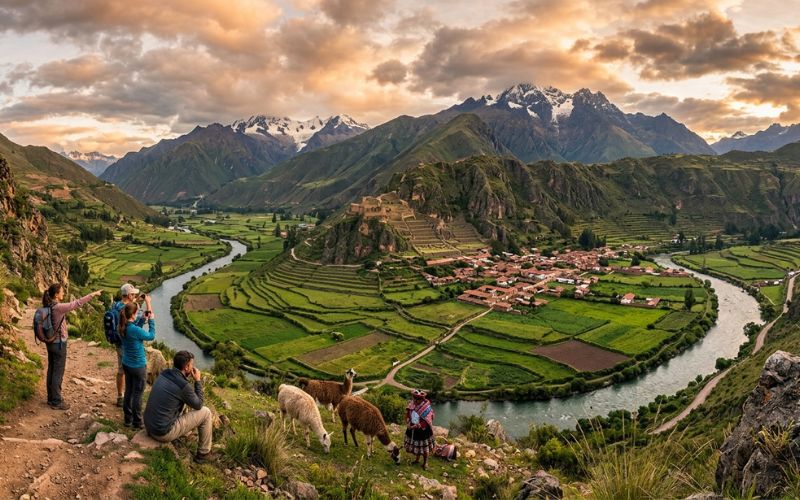
The Sacred Valley sits along the Urubamba River at a lower altitude than Cusco. Highlights include the massive Incan fortresses at Pisac and Ollantaytambo, as well as colorful artisan markets.
Machu Picchu
Machu Picchu remains the ultimate goal for most visitors. Located in the high cloud forest near Aguas Calientes, this Incan citadel can be reached via a scenic train ride or multi-day hiking trails.
Rainbow Mountain (Vinicunca)
Famous for its natural striped colors created by mineral deposits, Rainbow Mountain sits high in the Ausangate region. The summit sits above 5,000 meters (16,400 feet), making it a physically demanding trip.
Humantay Lake
Humantay Lake is a bright turquoise alpine lake sitting below a towering glacier. Reaching the lake requires a steep 1.5-hour uphill hike that rewards travelers with stunning views.
Maras Salt Mines & Moray
Moray features giant circular stone terraces that acted as an Incan agricultural lab. Nearby in Maras, thousands of small salt pools are fed by a natural saltwater spring.
| Day Trip | Physical Difficulty | Travel Time (One Way) | Best For | Altitude Adjustment Needed? |
| Sacred Valley | Easy to Moderate | 1 to 1.5 hours | History, markets, easy walks | No (Lower than Cusco) |
| Machu Picchu | Moderate | 3.5 to 4 hours | Famous ruins, views | No (Lower than Cusco) |
| Rainbow Mountain | Challenging | 3 hours | Unique nature scenery | Yes (Crucial, 2+ days in Cusco first) |
| Humantay Lake | Challenging | 3 hours | High mountain views | Yes (Crucial, 2+ days in Cusco first) |
| Maras & Moray | Easy | 1.5 hours | Unique farming and salt pools | No |
Day Trip Decision Matrix
- If you only have one extra day: Choose the Sacred Valley. It offers history, ruins, and landscapes without extreme altitude risks.
- Sacred Valley vs. Rainbow Mountain: Pick the Sacred Valley for relaxed sightseeing and culture. Pick Rainbow Mountain if you want a tough high-altitude hike.
The Best Experiences for Different Travel Styles
- First-Time Visitors: Take a guided morning walking tour of the city center. Combine a Sacred Valley day trip with an overnight train journey to Machu Picchu.
- Budget Travelers: Enjoy self-guided walks to free scenic lookouts. Eat your main set lunch (Menú del Día) at local sit-down spots instead of tourist places.
- Families: Visit the ChocoMuseo to make custom chocolate candies. Visit animal sanctuaries in the Sacred Valley to see llamas, alpacas, and Andean condors.
- Couples: Book a cozy boutique hotel room with an Incan stone fireplace in San Blas. Take an evening Peruvian cooking class together.
- Solo Travelers: Join group day trips to meet fellow travelers easily. Stay at friendly boutique hostels near the historic center.
- Adventure Travelers: Hike the multi-day Classic Inca Trail or Salkantay Trek. Go mountain biking down dirt paths near Maras and Moray.
Free Things to Do in Cusco That Are Actually Worth Your Time
- Watch Local Festivals: Cusco hosts colorful parades and traditional dance performances throughout the year in the main squares. Inti Raymi (Festival of the Sun) in June is the most famous event.
- People Watching: Find a comfortable spot on the cathedral steps to watch daily life unfold.
- Plaza San Francisco: Walk through this quieter plaza to see local plant life, a colonial arch, and historic church towers.
What the Boleto Turístico Includes—and Whether It’s Worth Buying
The Boleto Turístico del Cusco (Cusco Tourist Ticket) is a single ticket that gives you entry to 16 major attraction sites, managed by COSITUC. You cannot buy single entry tickets at most of these ruins.
- Full Ticket (130 PEN / ~$35 USD): Valid for 10 continuous days. Covers all 16 sites, including city ruins, Sacred Valley ruins (Pisac, Ollantaytambo, Chinchero, Moray), and local museums.
- Partial Circuit 1 (70 PEN / ~$19 USD): Valid for 1 day. Covers city ruins (Sacsayhuamán, Q’enqo, Puka Pukara, Tambomachay).
- Partial Circuit 2 (70 PEN / ~$19 USD): Valid for 2 days. Covers local museums, Tipón, and Pikillacta.
- Partial Circuit 3 (70 PEN / ~$19 USD): Valid for 2 days. Covers Sacred Valley ruins (Pisac, Ollantaytambo, Chinchero, Moray).
Which Ticket Should You Buy?
- If staying 3+ days and visiting the Sacred Valley: Buy the Full Ticket. It pays for itself after visiting 3 or 4 main sites.
- If only doing a half-day city tour: Buy Partial Circuit 1.
- Note: Sights like Machu Picchu, Qorikancha, and the Cusco Cathedral are not included on any tourist ticket. Buy those entries separately.
Build Your Cusco Itinerary Based on the Time You Have
One Day Itinerary: Quick City Highlights
- Morning: Walk around the main square, visit the Twelve-Angled Stone, and explore Qorikancha.
- Lunch: Eat a traditional meal near the historic center.
- Afternoon: Take a short taxi ride up to Sacsayhuamán and walk through the stone walls.
- Evening: Walk through San Blas, browse artisan shops, and have dinner.
Two Day Itinerary: City Heritage + Sacred Valley
- Day 1: Follow the One Day Itinerary above to adjust to the altitude.
- Day 2: Take a Sacred Valley tour to visit Moray, the Maras Salt Mines, and Ollantaytambo Fortress. Return to Cusco by evening.
Three Day Itinerary: Classic Cusco & Machu Picchu
- Day 1: Easy arrival day, city center walking, and Qorikancha.
- Day 2: Sacred Valley tour ending in Ollantaytambo. Take the evening train to Aguas Calientes.
- Day 3: Visit Machu Picchu early in the morning. Return by train to Cusco in the afternoon.
Four or More Days: The Complete Experience
- Day 1: Arrival, light walking, and altitude adjustment.
- Day 2: Sacsayhuamán, Q’enqo, and San Pedro Market.
- Day 3: Sacred Valley day trip (Pisac, Ollantaytambo, Chinchero).
- Day 4: Early morning day trip to Rainbow Mountain or Humantay Lake.
- Day 5: Machu Picchu day or overnight excursion.
Practical Travel Tips That Save Time, Money, and Energy
Transportation and Train Rules
- Taxis: Official taxis have printed license numbers on the side doors. Agree on the fare before getting inside (7 to 10 PEN / $2–$3 USD for short city rides). Uber also operates in Cusco.
- Airport Transfers: Cusco’s airport sits 20 minutes from the historic center. Taxis inside the terminal cost around 25 to 30 PEN ($7–$8 USD).
- Train Luggage Rules: PeruRail and IncaRail enforce strict baggage limits (usually 5 kg / 11 lbs per passenger). Leave large suitcases at your Cusco hotel storage for free and bring a daypack to Machu Picchu.
Money, ATMs, and Tipping
- Cash is Essential: Small markets, street vendors, and taxis only accept Peruvian Soles (PEN).
- ATMs: Use ATMs inside official banks (like BCP or Interbank) near the main square to avoid card skimming.
- Tipping: A 10% tip is standard in sit-down restaurants. Tipping taxi drivers is not expected.
Weather and Seasonal Advice
| Season | Months | Weather Conditions | Travel Advice |
| Dry Season | May to October | Sunny days, clear skies, freezing nights | Best for hiking; book tickets early |
| Rainy Season | November to April | Frequent rain showers, warmer nights, green hills | Lower prices, smaller crowds; pack rain gear |
Essential Practical Information
- Electricity Plugs: Outlets in Peru handle 220 volts and accept flat two-prong (US style) and round two-prong (European style) plugs.
- Laundry: Local laundry shops (lavanderías) charge 5 to 8 PEN per kg and return washed and folded clothes within 24 hours.
- Accessibility: Cusco features steep cobblestone streets. Travelers with mobility limits should choose hotels near the flat main square and use taxis.
- Emergency Numbers: Police: 105 | Medical Emergency: 106.
Common Mistakes First-Time Visitors Make in Cusco
- Heading to Rainbow Mountain on Day 1: The mountain stands at over 5,000 meters altitude. Wait at least 48 hours to avoid severe altitude sickness.
- Not Booking Machu Picchu in Advance: Entrance permits are strictly limited per day by the Ministry of Culture Peru. Book months ahead.
- Overbooking Daily Schedules: High altitude slows your walking pace. Plan fewer activities per day.
- Carrying Only Large Bills: Small vendors cannot break 100 Soles bills. Keep small change handy.
- Ignoring Swift Weather Changes: Mountain weather changes rapidly. Always carry a light rain jacket.
Suggested Budget for Different Travel Styles
| Budget Level | Accommodation | Food & Dining | Activities & Transport | Daily Estimate (Per Person) |
| Budget | Hostel dorm ($10 – $18) | Market meals & set lunches ($10 – $15) | Free walks & local buses ($10 – $15) | $30 – $48 USD |
| Mid-Range | 3-star hotel ($50 – $90) | Sit-down restaurants ($25 – $40) | Tourist Ticket & tours ($25 – $40) | $100 – $170 USD |
| Luxury | Boutique hotel ($200+) | Fine dining & cocktails ($70 – $120) | Private guides & cars ($100+) | $370+ USD |
Hidden Experiences Many Visitors Miss
- Cusco Planetarium: Located near Sacsayhuamán, this observatory teaches how the Incas read constellations.
- Sapantiana Aqueduct: A hidden colonial stone aqueduct tucked away in a quiet ravine past San Blas.
- Inkilltambo Archaeological Site: A quiet, restored Incan site set inside a forest with almost no crowds.
- Pre-Columbian Art Museum (MAP): A peaceful museum displaying ancient wood, stone, and gold artifacts.
- Huchuy Qosqo Hike: An ancient Incan trail leading to ruins perched high above the Sacred Valley.
Where to Stay Based on Your Travel Style
| Area | Best For | Nightlife Level | Walking Access | Budget Level |
| Historic Center | First-timers, short stays | Busy and lively | Very easy (mostly flat) | Mid-range to Luxury |
| San Blas | Couples, artisans, solo travelers | Cozy bars and cafes | Steep stairs required | Budget to Boutique |
| Santa Ana | Quiet stays, budget travelers | Very quiet | Steep uphill walk | Budget-friendly |
| Wanchaq | Long-term stays, families | Quiet residential | 15-minute flat walk | Budget to Mid-range |
Interactive Planning Resources
Printable Packing Checklist
- [ ] Sturdy walking shoes with good tread
- [ ] Layered clothing (t-shirts, fleece sweater, warm jacket)
- [ ] High-SPF sunscreen, lip balm, and wide-brim hat
- [ ] Reusable water bottle and daypack
- [ ] Personal medications and altitude sickness pills
- [ ] Portable power bank for your phone
Digital Tools & Official Links
- Save offline walking maps on Google Maps or Maps.me before arriving.
- Check official ticket availability on the Ministry of Culture Peru portal.
- Verify tourist ticket details on the official COSITUC website.
Frequently Asked Questions
What is Cusco best known for?
Cusco is best known as the capital of the Inca Empire, its UNESCO World Heritage architecture, vibrant Quechua culture, and as the gateway to Machu Picchu.
Can you walk around Cusco in one day?
Yes. You can walk around the historic center, visit main churches, see Incan stone walls, and explore local markets in a single day.
Is Cusco expensive to visit?
Cusco caters to all budgets. Budget travelers spend $30 to $50 USD per day, while mid-range travel averages $100 to $170 USD per day.
Can you drink tap water in Cusco?
No. Always drink bottled, filtered, or boiled water, and use bottled water when brushing your teeth.
Do I need cash in Cusco?
Yes. While hotels and sit-down restaurants accept credit cards, markets, street vendors, entry fees, and taxis require Peruvian Soles in cash.
What altitude is Cusco?
Cusco sits at 3,400 meters (11,152 feet) above sea level in the Andes mountains.
Can I use Uber in Cusco?
Yes. Uber operates in Cusco and offers a reliable way to book rides with set prices, especially for airport transfers.
Should I visit Cusco before or after Machu Picchu?
Most travelers visit Cusco first to acclimatize. Machu Picchu sits at a lower elevation (2,430 meters / 7,972 feet), making it physically easier once you have rested in Cusco.
Is Cusco safe for tourists?
Cusco is generally safe for tourists. Keep an eye on your belongings in crowded markets and use official taxis at night.
When is the best time to visit Cusco?
The dry season from May to October offers clear sunny skies and dry conditions, making it the best time for sightseeing and trekking.
You May Be Interested In:
Things to Do in Crested Butte: A Complete Year-Round Guide for Every Traveler
25 Best Things to Do in Cambria, CA: Beaches, Hearst Castle, Hiking & Travel Plans
Disclaimer:
This article is for informational and educational purposes only. We do our best to keep the information accurate, but details may change over time. Some images may be AI-generated for illustration only. All copyrights, trademarks, and brand names belong to their respective owners. Please verify important travel details with official sources before making plans.