Author: Daniel Brooks

  • Things to Do Cusco City (2026): 20 Best Attractions, Local Experiences & 1–3 Day Itinerary

    Things to Do Cusco City (2026): 20 Best Attractions, Local Experiences & 1–3 Day Itinerary

    Cusco was once the capital of the vast Inca Empire. Today, it is a vibrant city in South America. Most travelers treat Cusco as a quick stop before visiting Machu Picchu. However, skipping the city itself is a big mistake. Cusco offers rich history, lively food markets, and massive stone ruins.

    This guide focuses strictly on activities within Cusco city limits. You will learn about key sights, entry tickets, local food, and practical travel tips.

    Quick Answer: What Are the Best Things to Do Cusco City?

    The best things to do in Cusco city include exploring Plaza de Armas, visiting Qorikancha, and walking through San Blas. You should also explore Sacsayhuamán, San Pedro Market, Cusco Cathedral, Cristo Blanco, and the 12-Angled Stone. Joining a food tour and visiting local museums are also top activities.

    • Plaza de Armas: The main square in the center of the city.
    • Qorikancha: An ancient Inca temple with a Spanish church built on top.
    • San Blas: An art district with narrow streets and craft shops.
    • Sacsayhuamán: A massive Inca site with giant stone walls.
    • San Pedro Market: A busy market for fresh juice and souvenirs.
    • Cusco Cathedral: A large church packed with historic paintings.
    • Cristo Blanco: A large white statue offering sweeping city views.
    • 12-Angled Stone: A famous example of perfect Inca stonework.
    • Museums: Collections showing ancient gold and historic art.
    • Food Tour: Guided tasting tours of traditional regional dishes.

    Summary: Cusco is very walk-friendly. However, the high mountain location can make walking feel tiring on your first day. Start with flat walks in the center before trying uphill sights.

    Cusco City at a Glance

    Before booking your daily tours, it helps to understand how the city is set up. Cusco sits high in the Andes mountains. It blends native Inca foundations with Spanish colonial buildings.

    The old town was named a UNESCO World Heritage site in 1983. You can easily walk between most central sights.

    TopicQuick Answer
    Elevation3,399 meters (11,150 feet) above sea level
    Ideal Stay2 to 3 days
    Best Time to VisitMay to October (Dry season with clear skies)
    CurrencyPeruvian Sol (PEN)
    LanguageSpanish and Quechua
    SafetyGenerally safe; watch for pickpockets in crowded areas
    Walking DifficultyModerate to challenging due to steep stone stairs

    Before Exploring Cusco City: Altitude, Tickets & Practical Tips

    Planning a smooth trip to Cusco requires a little preparation. Altitude and ticket rules can catch first-time visitors off guard.

    How to Avoid Altitude Sickness

    Cusco sits high above sea level where the air has less oxygen. Altitude sickness is locally called soroche. It can cause headaches, nausea, and tiredness.

    • Rest on Day 1: Take it easy at your hotel for a few hours after landing.
    • Drink Water: High elevation dehydrates your body quickly. Drink plenty of water.
    • Try Coca Tea: Hot tea made from native coca leaves is a traditional local remedy.
    • Eat Light Meals: Digestion slows down at high elevations. Stick to simple soups on your first night.

    Do You Need the Boleto Turístico?

    The Boleto Turístico del Cusco (BTC) is an official tourist ticket run by the COSITUC government agency. It gives you entry to major historical sites. You cannot buy single tickets for many of these places.

    • Full Ticket: Valid for 10 days. Covers 16 sites in the city and surrounding valleys. Cost is 130 PEN (around $35 USD).
    • Partial Ticket (Circuit 2): Valid for 2 days. Covers city museums and local attractions. Cost is 70 PEN (around $19 USD).
    AttractionIncluded in Boleto?Separate Ticket Required?Free Entry?
    SacsayhuamánYesNoNo
    Qorikancha (Temple)NoYes (Check current rates)No
    Cusco CathedralNoYes (Check current rates)No
    San Pedro MarketNoNoYes
    Cristo BlancoNoNoYes
    12-Angled StoneNoNoYes

    Getting Around Cusco City

    • Walking: Central Cusco is compact and best explored on foot. Wear shoes with good grip for smooth stone paths.
    • Taxis: Taxis do not use meters. Always agree on the price before getting into the car. A quick ride across the center costs around 7 to 10 PEN ($2–$3 USD).
    • Ride Apps: Uber works in Cusco and offers fixed prices.
    • Safety Tip: Keep your bag zipped tight in crowded markets. Emergency help can be reached by dialing 105 for local police.
    Before Exploring Cusco City Altitude, Tickets & Practical Tips

    Best Things to Do in Cusco City

    Explore Plaza de Armas

    The Plaza de Armas is the central square of Cusco. In Inca times, this square was used for royal ceremonies. Today, it features wooden balconies, gardens, and colonial arcades.

    Sit on a bench to relax, or grab a coffee at a second-floor balcony cafe. Yellow streetlights light up the stone buildings at night.

    • Time Needed: 1 hour
    • Cost: Free to visit
    • Best For: Easy orientation on your first day

    Visit Qorikancha (Temple of the Sun)

    Qorikancha was the most sacred temple in the Inca Empire. Its inner walls were once covered in heavy sheets of solid gold.

    Spanish forces removed the gold and built the Church of Santo Domingo directly on top of the Inca stone foundation. Earthquakes later destroyed parts of the church, but the Inca stonework stood firm. Check official ticket desks for current entry fees before your visit.

    • Time Needed: 1 hour
    • Cost: Check ticket office for current rates

    Walk Through San Blas Neighborhood

    San Blas is an art district located just a short walk uphill from the main square. This area features narrow alleys, white buildings, and bright blue window frames.

    Local artisans have worked here for generations. You will find small art galleries, woodcarving shops, handmade jewelry, and cozy cafes lining the streets.

    See the Famous 12-Angled Stone

    Located on Calle Hatun Rumiyoc, this stone is a famous example of Inca stonework. The massive stone block fits into the surrounding wall with twelve distinct angles.

    Inca masons used no cement to hold it in place. The fit is so tight that you cannot slide a piece of paper between the rocks.

    • Time Needed: 10 minutes
    • Cost: Free

    Explore San Pedro Market

    San Pedro Market gives you a close look at local daily life. Built in the early 20th century, this giant hall is packed with stalls selling food, fruit, and crafts.

    Visit the juice section for fresh fruit drinks made while you wait. Stick to stalls that serve hot cooked food, and always drink bottled water.

    Visit Sacsayhuamán

    Sacsayhuamán is a giant Inca site located on a hill above the city. It is famous for its massive carved rocks. The largest stones weigh over 120 tons.

    The site offers great views of the valley below. Visit early in the morning to enjoy cooler weather and fewer crowds. Entry requires the official Boleto Turístico pass.

    Walk to Cristo Blanco Viewpoint

    Cristo Blanco is an 8-meter (26-foot) tall white statue of Jesus Christ sitting on Pukamuqu hill. Palestinian refugees gifted the statue to the city in the mid-20th century.

    It offers panoramic views across the entire valley. You can take a 10-minute taxi from the center for about 10 PEN ($3 USD).

    Visit Cusco Cathedral

    Dominating the main square, the Cusco Cathedral took nearly 100 years to build. Builders used stone taken from nearby Inca structures.

    Inside, you will find hundreds of historic paintings. Look for the famous Last Supper painting by Quechua artist Marcos Zapata. Instead of traditional food, Jesus and his disciples are shown eating a roasted guinea pig (cuy). Check current ticket prices at the cathedral door.

    Explore the Best Museums

    Setting aside a morning for museums helps you understand Andean culture before visiting ancient sites.

    MuseumBest ForTime NeededTicket Info
    Inca Museum (Museo Inka)Ancient mummies, pottery, and gold objects1.5 hoursCheck ticket office for current rates
    Pre-Columbian Art Museum (MAP)Fine stone carvings and a quiet courtyard1 hourCheck ticket office for current rates
    Regional Historical MuseumHistory inside the home of writer Garcilaso de la Vega1 hourIncluded in Boleto Turístico

    Take a Walking Tour

    A guided walking tour is a great way to learn history on your first day. Local guides share stories about Inca life, Spanish rule, and modern city culture.

    Free walking tours leave daily from the main square. Guides work for tips, so leaving 20 to 30 PEN ($5–$8 USD) per person is standard practice.

    Join a Peruvian Food Tour

    Peru is famous for its food, and Cusco has a unique regional style. Food tours take you past tourist spots into authentic local eateries.

    You will sample dishes like chicha morada (sweet purple corn drink) and lomo saltado (beef stir-fry). Guides explain local ingredients like Andean potatoes and native corn.

    Take a Cooking Class

    A cooking class is a fun hands-on activity for a rainy afternoon. Most classes start with a quick trip to a local market to buy fresh ingredients.

    An expert chef guides you through every step. You will learn how to make fresh ceviche and mix a traditional Pisco Sour drink.

    • Time Needed: 3 hours
    • Skill Level: Easy; suitable for beginners and families

    Watch Traditional Music and Dance

    You can experience Andean culture through live music and dance performances. The Centro Qosqo de Arte Nativo hosts shows featuring local musicians playing panpipes and drums. Dancers perform in colorful native clothing.

    • Show Info: Nightly performances (check current schedules)
    • Cost: Included with the full Boleto Turístico

    Discover Hidden Streets & Small Plazas

    Beyond the main attractions, Cusco holds quiet corners that many tourists miss.

    • Sapantiana Aqueduct: A stone colonial aqueduct hidden in a green ravine past San Blas.
    • Calle Siete Culebras: A quiet alley named “Street of Seven Snakes” featuring small stone snake carvings.
    • Plaza de las Nazarenas: A calm square surrounded by historic stone buildings and luxury hotels.
    • San Cristóbal Church: A hilltop church offering quiet views of the city center.
    • Temple of the Moon: An ancient Inca rock shrine located on a quiet path just beyond Sacsayhuamán.

    Free Things to Do in Cusco City

    Exploring Cusco on a budget is easy. Many of the top sights cost nothing at all.

    ActivityCostTime NeededBest Time
    Plaza de Armas StrollFree1 hourEvening
    San Blas WalkFree1.5 hoursMorning
    Cristo Blanco ViewpointFree1 hourLate Afternoon
    San Pedro Market VisitFree1 hourMorning
    12-Angled Stone PhotoFree10 minutesEarly Morning
    Sapantiana Aqueduct WalkFree45 minutesMidday

    Best Things to Do by Traveler Type

    • Families: Visit the ChocoMuseo for a hands-on chocolate workshop. Use taxis for uphill trips to keep kids from tiring out.
    • Solo Travelers: Join a free walking tour on your first day to meet people and learn your way around.
    • Couples: Stroll the quiet alleys of San Blas and book an evening cooking class together.
    • Budget Backpackers: Stick to self-guided walks and eat set lunch menus (menú del día) at local markets for 10 to 15 PEN.
    • Luxury Travelers: Stay in restored colonial hotels and book private historical tours.
    • Food Lovers: Take a market cooking class and sample street food like anticuchos (beef heart skewers).
    • History Lovers: Spend extra time at the Inca Museum and Qorikancha.
    • Photographers: Shoot early morning light along Calle Hatun Rumiyoc before crowds arrive.

    Best Things to Do by Time Available

    If You Have Half a Day

    If you only have a few hours, follow our self-guided walking route below. It covers central landmarks on foot without requiring steep uphill climbs.

    One Day in Cusco

    Start your morning at Plaza de Armas and visit the Cusco Cathedral. Walk down Avenida del Sol to explore Qorikancha. In the afternoon, head up to San Blas for coffee. Take a ten-minute taxi ride to Cristo Blanco before sunset.

    Two Days in Cusco

    • Day 1: Explore flat central sights including Plaza de Armas, Qorikancha, and San Pedro Market.
    • Day 2: Visit Sacsayhuamán in the morning. Spend the afternoon at the Inca Museum and watch an evening dance performance at Centro Qosqo de Arte Nativo.

    Three Days in Cusco

    • Day 1: Rest, adapt to the altitude, and stroll through the city center.
    • Day 2: Visit Sacsayhuamán and Cristo Blanco in the morning. Take a Peruvian cooking class in the afternoon.
    • Day 3: Visit the Pre-Columbian Art Museum, shop at San Pedro Market, and take an evening street food tour.
    DayMorningAfternoonEvening
    Day 1Main square & CathedralQorikancha templeDinner overlooking the square
    Day 2Sacsayhuamán ruinsSan Blas art districtCultural dance show
    Day 3Pre-Columbian Art MuseumCooking class or food tourSunset viewpoint visit

    Easy Self-Guided Walking Route Through Cusco City

    This simple loop connects major central sights. You can follow this route easily on your phone.

    Plaza de Armas ➔ Cusco Cathedral ➔ 12-Angled Stone ➔ San Blas ➔ Qorikancha ➔ San Pedro Market
    
    1. Plaza de Armas: Start at the central fountain in the main square.
    2. Cusco Cathedral: Walk to the north side of the square to see the main facade.
    3. 12-Angled Stone: Head east down Calle Triunfo onto Calle Hatun Rumiyoc.
    4. San Blas: Follow the path slightly uphill into the art district.
    5. Qorikancha: Walk downhill toward Avenida del Sol to see the ancient temple walls.
    6. San Pedro Market: Head west down Calle Santa Clara to reach the market hall.
    • Total Distance: 3.5 kilometers (2.2 miles)
    • Walking Time: 2 hours at a relaxed pace

    What to Eat While Exploring Cusco

    Cusco has a rich food culture based on potatoes, corn, and Andean spices.

    • Lomo Saltado: Strips of beef fried with onions, tomatoes, soy sauce, and french fries.
    • Alpaca Steak: A lean, tender red meat that tastes similar to beef.
    • Cuy (Roasted Guinea Pig): A traditional Andean meal reserved for special events.
    • Chicha Morada: A sweet drink made from purple corn, fruit, and cinnamon.
    • Rocoto Relleno: Spicy peppers stuffed with minced meat, vegetables, and melted cheese.

    Things Worth Booking in Advance

    A few tours sell out during peak summer months (June through August).

    • Cooking Classes: Small cooking schools limit class sizes. Book 2 to 3 days ahead.
    • Food Tours: Evening tasting tours fill up quickly. Book before arriving.
    • Specialty Tours: Book Planetarium Cusco visits early because shuttle seats are limited.
    Things Worth Booking in Advance

    Nearby Attractions Worth Visiting After Exploring Cusco City

    Once your body adapts to the mountain elevation, you can take day trips outside the city limits.

    • Sacred Valley (Pisac & Ollantaytambo): A lower valley located one hour away featuring large ruins and markets.
    • Rainbow Mountain: A high-altitude day hike up to 5,200 meters (17,000 feet). Skip this if you still feel effects from the elevation.
    • Machu Picchu: The famous Inca city reached by train or multi-day hiking trails.

    Common Mistakes First-Time Visitors Make

    Avoid these common planning errors during your trip:

    • Doing too much on Day 1: Pushing yourself too soon can trigger altitude sickness.
    • Buying the wrong ticket: A partial ticket limits your entries. Buy the 10-day Boleto Turístico if staying multiple days.
    • Rushing to Machu Picchu: Skipping city stays deprives you of essential altitude adjustment time.
    • Carrying large cash notes: Small vendors cannot make change for 100 PEN bills. Carry small notes (10 and 20 PEN).

    Sample Budget for Exploring Cusco City

    Cusco caters well to all travel styles and budgets.

    Budget LevelEstimated Daily CostWhat It Covers
    Budget$30 – $50 USD (110–185 PEN)Hostel beds, market meals, free walking tours
    Mid-Range$80 – $160 USD (300–600 PEN)3-star hotel, sit-down dinners, entry passes, cooking class
    Luxury$250+ USD (925+ PEN)Historic 5-star hotel, private guides, fine dining restaurants

    Sample Daily Breakdown (Mid-Range)

    • Food: 90 PEN ($24 USD) for market breakfast, set lunch, and sit-down dinner.
    • Transport: 20 PEN ($5 USD) for short taxi rides.
    • Entry Fees: 35 PEN ($9 USD) averaged across multi-day passes.
    • Coffee & Snacks: 20 PEN ($5 USD) for coca tea or pastry.

    Final Thoughts

    Cusco is much more than a quick stop on the way to Machu Picchu. It is a city filled with history, great food, and historic architecture.

    Take it easy on your first day, drink coca tea, and enjoy a slow walk through the center. Giving yourself time to adjust to the elevation will make your trip through Peru far more enjoyable.

    Frequently Asked Questions

    What are the best things to do in Cusco city?

    The best things to do in Cusco city include exploring Plaza de Armas, visiting Qorikancha, browsing San Pedro Market, and walking through San Blas. You should also see Sacsayhuamán, visit local museums, and try regional food.

    Is one day enough in Cusco?

    One day in Cusco is enough to see central sights like Plaza de Armas and Qorikancha. However, it is not enough time to acclimate to the high altitude or explore nearby ruins without rushing.

    How many days should I stay in Cusco?

    You should stay in Cusco for two to three days. This gives your body time to adjust to the high elevation before hiking or traveling to Machu Picchu.

    What is free to do in Cusco?

    Free activities include strolling around Plaza de Armas, exploring San Blas, viewing the 12-Angled Stone, browsing San Pedro Market, and walking to the Sapantiana Aqueduct.

    Is Cusco safe for tourists?

    Yes, Cusco is generally safe for tourists. The historic center has a strong police presence. Keep an eye on your belongings in crowded markets like San Pedro.

    Is the Boleto Turístico worth buying?

    Yes, the Boleto Turístico is worth buying if you plan to visit major sites like Sacsayhuamán or regional museums. You cannot buy single tickets for many of these locations.

    Can I walk around Cusco?

    Yes, you can easily walk around central Cusco. However, steep stone stairs and thin air can tire you out quickly, so wear comfortable shoes and take breaks.

    What should I do before visiting Machu Picchu?

    Spend at least two days in Cusco or the Sacred Valley to adjust to the high mountain air. Buy your entry passes and train tickets months in advance.

    What are the best viewpoints in Cusco?

    The best viewpoints in Cusco are Cristo Blanco, San Cristóbal Church, and second-floor balcony cafes overlooking Plaza de Armas.

    What food should I try in Cusco?

    Try lomo saltado (beef stir-fry), roasted alpaca steak, chicha morada (purple corn drink), and fresh fruit juice at San Pedro Market.

    You May Be Interested In:
    Things to Do on Nantucket Island, MA: 25 Best Attractions, Beaches & Local Experiences
    Things to Do Near Mammoth Cave: 25+ Best Attractions, Tours & Itineraries

    Disclaimer:
    This article is for informational and educational purposes only. We do our best to keep the information accurate, but travel details, prices, and rules may change. Some images may be AI-generated for illustration only. All copyrights, trademarks, and other intellectual property belong to their respective owners.

  • Things to Do on Nantucket Island, MA: 25 Best Attractions, Beaches & Local Experiences

    Things to Do on Nantucket Island, MA: 25 Best Attractions, Beaches & Local Experiences

    Nantucket Island sits about 30 miles south of Cape Cod, Massachusetts. This tiny island packs historic charm, clean beaches, and great seafood into an area of about 48 square miles.

    Whether you want to ride a bike along quiet paths or learn about old ocean history, Nantucket has something for everyone. This guide covers the best things to do on Nantucket Island, MA, to help you plan a great trip.

    Short on time? Jump straight to ourdetailed itinerariesbelow to plan your daily schedule.

    Quick Answer: What Are the Best Things to Do on Nantucket Island?

    The best things to do on Nantucket Island include walking on old stone streets, visiting ocean beaches, and checking out lighthouses. Visitors can ride bikes on smooth paths, visit museums, eat fresh seafood, and watch nice sunsets.

    Here are the top ten things to do:

    1. Explore Historic Downtown: Walk down stone streets lined with old homes and local shops.
    2. Visit the Whaling Museum: See historical displays run by the local historical group.
    3. Walk to Brant Point Lighthouse: Watch boats enter the bay from a historic lighthouse point.
    4. Relax at Surfside Beach: Enjoy wide sandy shores and ocean waves on the south side.
    5. Bike Island Trails: Ride along paved paths built across the island.
    6. Visit Siasconset (‘Sconset): Walk through a quiet town full of old wooden cottages.
    7. Stroll the ‘Sconset Bluff Walk: Walk along a small dirt path that looks out over the ocean.
    8. Watch Sunset at Madaket Beach: Enjoy nice sky views on the far west side of the island.
    9. Visit Cisco Brewers: Enjoy an open outdoor yard with drinks, music, and food trucks.
    10. Take a Water Cruise: Join a sailboat ride or a trip to see wild seals on the water.
    If You Like…Do This First
    HistoryExplore Downtown & Whaling Museum
    BeachesRelax at Surfside Beach or Jetties Beach
    CouplesStroll ‘Sconset Bluff Walk & watch the sunset
    FamiliesSwim at Jetties Beach & Children’s Beach
    AdventureHike Coskata-Coatue Wildlife Refuge

    Is Nantucket Worth Visiting?

    Yes, Nantucket is worth visiting because it blends rich history with big areas of open land. Strict town rules mean you will see no chain stores or tall hotels. Much of the island is protected by land groups.

    Nantucket vs. Martha’s Vineyard

    Many travelers compare Nantucket to nearby Martha’s Vineyard. While both are islands near Cape Cod, they feel different.

    FeatureNantucketMartha’s Vineyard
    SizeAbout 48 square miles100 square miles
    VibeHistoric, walkable, simple styleSix different towns, farm land
    Getting AroundEasy by bike, bus, or walkingBest with a car or island bus
    Best ForHistoric streets & clean beachesTown variety & forest walks

    Top 10 Attractions at a Glance

    AttractionTime NeededCost RangeBest For
    Historic Downtown2 to 3 hoursFreeWalking & shopping
    Whaling Museum1.5 to 2 hoursCheck online ratesHistory & rainy days
    Brant Point Light30 to 45 minsFreePhotos & boat views
    Surfside Beach2 to 4 hoursFreeSurfing & ocean waves
    Jetties Beach2 to 4 hoursFreeFamilies & easy swimming
    ‘Sconset Village1 to 2 hoursFreeCottage walks & gardens
    ‘Sconset Bluff Walk45 to 60 minsFreeCouples & ocean views
    Cisco Brewers1.5 to 3 hoursVaries by orderDrinks, music & food
    Madaket Beach1 to 2 hoursFreeEvening sunsets
    Coskata-Coatue Refuge3 to 5 hoursBeach permit requiredWildlife & hiking

    Map of the Best Things to Do on Nantucket

    Nantucket is shaped like a curve. The historic town sits on the north side facing the bay. The south side has big ocean waves, while ‘Sconset sits on the far east end.

           [ Great Point Lighthouse ] (North)
                     |
      [ Jetties Beach ] -- [ Downtown Nantucket ] -- [ Brant Point ]
             |                       |
      [ Madaket Beach ]        [ Cisco Brewers ] --- [ Sankaty Light ]
          (West)                     |                   |
                               [ Surfside Beach ]   [ 'Sconset Village ]
                                    (South)               (East)
    

    Best Things to Do in Historic Nantucket Town

    Nantucket’s town center is a famous national site. It has preserved buildings from long ago.

    Wander the Historic Downtown Streets

    Start your walk on Main Street. The wide street is made of old stone blocks. Brick paths go past big homes built by rich whale-ship captains. You can shop at local stores along the water without seeing any chain stores.

    Visit the Whaling Museum

    This museum is run by the local history group. Long ago, Nantucket was a top whale-hunting spot. Inside, you can see a large whale skeleton, an old candle factory display, and carved whale bone art. Go to the top roof deck for great views across the water.

    See the Oldest House

    Built for Jethro and Mary Coffin, this home is the oldest building on Nantucket still standing in its original spot. It shows visitors how early settlers lived in the late 1600s.

    Explore Maritime Heritage at Egan Maritime’s Museum

    The Nantucket Shipwreck & Lifesaving Museum honors brave rescue workers. The museum shows old rescue boats, ropes, and gear used to save sailors from broken ships.

    Visit the Maria Mitchell Association

    Maria Mitchell became America’s first famous female astronomer in 1847. Today, her group runs a small sea life museum on Washington Street, a science museum, and two star-gazing buildings. It is a great stop for kids who like touch tanks with sea animals.

    Best Things to Do in Historic Nantucket Town

    Visit Nantucket’s Famous Lighthouses

    Lighthouses help ships stay safe from hidden sand bars. Three main lighthouses stand on the island today.

    Brant Point Lighthouse

    Brant Point Light sits at the entrance to the water bay. Built in 1901, it sits on one of the oldest lighthouse spots in the United States. You can stand on the sand and watch big ferries pass close by.

    Sankaty Head Lighthouse

    Located on high land near ‘Sconset, this lighthouse stands 70 feet tall with red and white stripes. In 2006, workers moved the heavy building 400 feet back from the edge to save it from falling off the eroding cliff.

    Great Point Lighthouse

    Great Point Light sits on the far north tip inside a nature area. The current tower was built in 1986 after a storm broke the old one. Getting here takes a four-wheel-drive truck with a sand permit or a long walk on soft sand.

    LighthouseGetting ThereRestroomsPhoto Tip
    Brant PointEasy sand walkNearby at bayTake photos of boats passing the light
    Sankaty HeadEasy dirt pathNoneCatch the sunrise from the cliff path
    Great PointHard (4WD sand)NoneTake photos of wild seals near the tip

    Relax at the Best Beaches on Nantucket

    Nantucket has miles of shore. North beaches have warm, flat water. South beaches face the open ocean with cold water and big waves.

           NORTH SHORE (Calm Water, Warm Swimming)
           - Jetties Beach
           - Children's Beach
           
           SOUTH SHORE (Ocean Waves, Cooler Water)
           - Surfside Beach
           - Cisco Beach
    

    Surfside Beach

    Surfside is a popular south beach with wide sand and rolling waves. It has bathrooms, outdoor showers, a food stand, and lifeguards. It is great for bodyboarding and sunbathing. The paved parking lot fills up fast in the morning.

    Jetties Beach

    Located on the north side near town, Jetties Beach has shallow water with almost no waves. It has bathrooms, a boardwalk, a playground, and a restaurant. It is the best choice for families with young kids.

    Cisco Beach

    Cisco Beach faces south and gets strong ocean waves. It is the top spot for local surfers. It has lifeguards and temporary toilets in the summer.

    Siasconset Beach

    Located on the east end, ‘Sconset Beach offers wide open views across the ocean. It has lifeguards, bathrooms, and a store nearby in the town square.

    Madaket Beach

    Madaket Beach sits on the far west end of the island. Waves can be very strong here, but it is the best place to watch the sun go down over the water.

    Great Point Beach & Coatue

    This wild beach sits inside the north nature park. High tides can block driving paths, so check water times with park rangers before driving onto the sand.

    BeachWater TypeRestroomsLifeguardsBest Feature
    SurfsideBig WavesYesYesFood stand & wide sand
    JettiesFlat WaterYesYesPlayground & restaurant
    CiscoStrong WavesTemporaryYesSurfing waves
    ‘SconsetBig WavesYesYesQuiet village feel
    MadaketStrong WavesNoYesWest sunset views
    Great PointWild OceanNoNoSeals & nature walks

    Explore Siasconset (‘Sconset)

    Siasconset is a village on the east end of Nantucket. Locals call it “‘Sconset.” The village started long ago as a small fishing town.

    The ‘Sconset Bluff Walk

    The Bluff Walk is a scenic walking path. The path goes between cottage backyards and ocean cliffs. You will see grand ocean views on one side and nice gardens on the other. Enter quietly at Front Street and stay on the public path.

    Historic Cottages

    In early summer, red roses bloom over low wooden roofs. Take a slow walk down Shell Street and Morey Lane to view these old homes.

    Best Outdoor Activities and Getting Around

    Much of Nantucket’s land is protected from building. You can explore trails or ride bikes across the island without needing a car.

    Bike Paths & Rentals

    Biking is the best way to travel on Nantucket. The island has miles of smooth bike paths.

    • Milestone Path: Runs from town straight to ‘Sconset.
    • Madaket Path: Runs west from town to Madaket Beach.
    • Surfside Path: An easy ride south to Surfside Beach.
    • Rentals: Bike shops near the ferry docks rent bikes, electric bikes, and pull-behind child trailers.

    Island Buses (NRTA The Wave)

    The town runs seasonal shuttle buses called “The Wave.” Buses pick up downtown and go to main beaches and villages for a low fare.

    Hiking and Wildlife Trails

    Nature groups protect thousands of acres of open land.

    • Sanford Farm: Has miles of walking paths past fields and ponds down to the water.
    • Coskata-Coatue Wildlife Refuge: A wild beach peninsula managed by a land group. It is home to sea birds, deer, and seals.

    Best Boat Tours and Water Experiences

    Being on the water gives you a new view of the island. Boats park along the docks in Downtown Nantucket.

    • Whale Watching Trips: Boats go out into deep waters to look for big whales and sea turtles from June to September. Trips take several hours. Bring a jacket because it gets cold on the ocean.
    • Harbor Sails: Book a trip on an old wooden sailboat like the Endeavor. Local captains guide smooth tours around the quiet bay.
    • Fishing Charters: Hire a boat to catch local fish. Captains give you all the fishing gear and clean your fish for dinner.

    Food and Drink Experiences You Shouldn’t Miss

    Nantucket has a rich food scene ranging from simple seafood shacks to nice sit-down spots.

    • Cisco Brewers: An open-air yard where people meet. It has a brewery, winery, and farm drink stands. Visitors sit under tents to enjoy live music, food trucks, and fresh oysters.
    • Fresh Seafood: Try sweet local scallops, raw oysters raised in island waters, clam chowder, and fresh lobster rolls.
    • Bartlett’s Farm: A historic farm on the island. Their farm market sells fresh vegetables, hot food, groceries, and baked goods.
    • Ice Cream Shops: Join the line at Juice Bar Ice Cream Shop downtown. They make homemade ice cream and fresh waffle cones.

    Things to Do on Nantucket by Traveler Type

    Families with Kids

    1. Swim at Jetties Beach: Flat water and a playground make this beach safe for young kids.
    2. Visit Children’s Beach: Located near town with picnic tables and calm water.
    3. Explore Maria Mitchell Aquarium: Touch tanks let kids hold small local crabs and sea stars.
    4. Walk to Brant Point Light: Kids can watch big ferries turn in front of the sand point.
    5. Eat Ice Cream Downtown: Grab warm waffle cones on Broad Street after dinner.

    Couples

    1. Walk the ‘Sconset Bluff Walk: A quiet walk past flower-covered homes and cliffs.
    2. Watch Sunset at Madaket Beach: Enjoy orange sky views over the west ocean.
    3. Take a Sunset Boat Sail: Book an evening sailboat ride around the bay.
    4. Dine Near the Docks: Enjoy fresh seafood right along the water.

    Budget Travelers

    1. Ride as a Foot Passenger: Leave your car on the mainland to save money on ferry fees.
    2. Ride The Wave Bus: Use cheap town buses instead of taxi rides.
    3. Buy Picnic Sandwiches: Grab sandwich meals at local shops to eat on the beach.
    4. Enjoy Free Sites: Visit Brant Point, the Bluff Walk, and public beaches for free.

    One-Day, Two-Day and Three-Day Nantucket Itineraries

    Half-Day / 6-Hour Trip (Downtown Focus)

    • 9:00 AM: Arrive by fast ferry at the docks. Walk up Main Street to see old stone roads.
    • 10:30 AM: Tour the Whaling Museum and look at the bay from the roof deck.
    • 12:30 PM: Grab a fresh lobster roll near the boat docks.
    • 1:30 PM: Take an easy 15-minute walk to Brant Point Lighthouse to watch boats pass.
    • 2:30 PM: Shop at local stores and grab ice cream before boarding your return ferry.

    Full 1-Day Trip (Downtown & Beach)

    TimeActivityTravel Method
    8:30 AMArrive at the docks via fast ferryFerry
    9:00 AMWalk Main Street and tour Whaling MuseumWalking
    11:30 AMRent a bicycle near the harbor docksBike
    12:00 PMRide the paved path south to Surfside BeachBike
    12:30 PMEat lunch at the beach stand & swimWalking
    3:00 PMBike north to Cisco Brewers for music & drinksBike
    5:30 PMReturn bike downtown & walk to Brant Point LightWalking
    6:30 PMEat dinner near the docksWalking
    8:00 PMLeave on the late return ferryFerry

    Relaxed 2-Day Itinerary

    • Day 1: Focus on town history and ocean waves. Tour downtown, see the Whaling Museum, and spend the afternoon at Surfside Beach. Head to Cisco Brewers in the late afternoon and watch the sunset at Madaket Beach.
    • Day 2: Take the Wave bus east to ‘Sconset. Walk the Bluff Walk and see the old cottages. Head to Jetties Beach for a calm swim, and finish with a sailboat ride.

    Complete 3-Day Experience

    • Day 1: Explore downtown, the Whaling Museum, and Brant Point Light. Eat dinner by the docks.
    • Day 2: Bike east to ‘Sconset, walk the Bluff Walk, visit Sankaty Light, and relax on ‘Sconset Beach.
    • Day 3: Hike nature paths at Sanford Farm in the morning. Spend the afternoon at Cisco Beach, and watch your final sunset at Madaket Beach.

    Things to Do on Nantucket by Season

    • Summer (June – August): Warm weather, clear water, and lots of energy. All shops and restaurants are open. High temperatures run in the 70s and 80s.
    • Fall (September – November): Warm ocean water lasts through September, but big summer crowds leave. Days are sunny and comfortable.
    • Spring (April – May): Blooming flowers show up as island shops open up. The Daffodil Festival happens in late April.
    • Winter (December – March): Quiet, cold, and windy. Many seasonal hotels and restaurants close for part of the cold months.
    SeasonAvg TempCrowd LevelOpen ShopsMain Benefit
    Summer75°FHeavyMost openWarm swimming & full tour schedules
    Fall60°FMediumFewer hoursWarm water & smaller crowds
    Spring52°FLightReopeningFlower blooms & lower room prices
    Winter38°FLowClosed for seasonQuiet walks & holiday strolls

    What to Do on Nantucket When It Rains

    When rain hits the island, move your plans indoors:

    • Tour Historic Museums: Spend two hours inside the Whaling Museum or the Shipwreck & Lifesaving Museum.
    • Visit the Lightship Basket Museum: Learn how traditional Nantucket baskets are woven by hand.
    • Browse Local Bookstores: Read books at local shops right on Main Street and Broad Street.
    • Warm Up at Coffee Shops: Enjoy warm drinks and baked treats at local cafés.
    • Explore Art Galleries: Walk under covered dock paths to view local art galleries.

    Accessibility and Pet-Friendly Tips

    Accessibility Features

    Nantucket works to help all visitors move around easily:

    • Beach Mats: Select beaches like Jetties Beach feature flat mats laid over the sand to help with wheelchair access.
    • Beach Wheelchairs: Jetties Beach offers special sand wheelchairs in the summer. Ask beach staff for help.
    • Accessible Museums: The Whaling Museum has ramps, elevators, and accessible bathrooms.
    • Cobblestone Warning: Main Street’s stone roads are bumpy. Use the brick sidewalks next to the street for a smoother ride.

    Traveling with Pets

    Nantucket is very dog-friendly:

    • Ferry Travel: Main passenger ferries allow dogs on board (check rules for leashes and pet carriers).
    • Buses: Town buses allow small pets in carriers.
    • Beaches: Dogs are allowed on public beaches during set hours in summer. Check signs for leash rules to protect local birds.
    Accessibility and Pet-Friendly Tips

    How to Get to Nantucket

    Because Nantucket is an island, you must arrive by boat or plane.

    MAINLAND (Hyannis, MA)  ===========> NANTUCKET ISLAND
                            Ferry: 1 - 2.5 Hours
                            Flight: Short Hop
    

    Ferry Options from Hyannis, MA

    Most travelers ride passenger ferries from Cape Cod.

    • Fast Passenger Ferry: Takes about 1 hour. Runs most of the year.
    • Traditional Car Ferry: Takes about 2 hours and 15 minutes. It carries cars and walking passengers.

    Flights

    Nantucket Memorial Airport sits right on the island. Regional airlines run short flights from Boston, Hyannis, and other nearby cities.

    Costs, Budget and Smart Local Tips

    Local Tips & Common Mistakes to Avoid

    Local Tip: Phone signals can get weak inside nature parks and out near ‘Sconset. Download offline maps to your phone before leaving town.

    Worth the Cost: Rent bikes for your full trip. Bikes help you skip taxi waits and parking headaches at busy beach lots.

    • Avoid Bringing Cars: Parking downtown is hard in summer. Leave your car on the mainland and use bikes or town buses.
    • Book Ferries Early: Fast ferry tickets sell out on summer weekends. Book your seats online ahead of time.
    • Pack Extra Layers: Sea breezes bring fog and cool air quickly in the late afternoon. Always bring a light jacket.

    Final Thoughts

    Nantucket Island offers a great mix of ocean history, open nature, and clean beach charm. Whether you spend your time walking old stone streets, biking to ‘Sconset, or relaxing on sandy shores, the island offers a classic New England trip. Book your ferry early, pack a warm jacket, and enjoy your time on Nantucket!

    Frequently Asked Questions

    How many days should I spend on Nantucket?

    Three days is best for a first visit. This gives you time to explore town streets, relax on beaches, bike to ‘Sconset, and eat fresh seafood without rushing.

    Is Nantucket expensive to visit?

    Yes, hotels and restaurants cost a lot on Nantucket. However, beaches, walking historic streets, and visiting the lighthouse are free.

    Can you visit Nantucket without a car?

    Yes, you can visit without a car. Paved bike paths cover the island, and town buses connect downtown to main beaches all summer.

    What is the best beach for families?

    Jetties Beach is best for families. It has calm water, clean bathrooms, a playground, food, and beach paths.

    Is Downtown Nantucket walkable?

    Yes, downtown is very easy to walk. You can walk between historic streets, museums, dock restaurants, and Brant Point Lighthouse.

    Can you visit Nantucket as a day trip?

    Yes, you can visit on a day trip. Take an early fast ferry, explore downtown, tour the Whaling Museum, bike to a beach, and return by evening.

    What should I book in advance?

    You should book ferry tickets, hotel rooms, dinner spots, and car ferry spots as far ahead as possible.

    You May Be Interested In:
    Things to Do Near Mammoth Cave: 25+ Best Attractions, Tours & Itineraries
    Things to Do in Yakima: The Ultimate Travel Guide

    Disclaimer:
    This article is for informational and educational purposes only. We try to keep all information accurate, but details may change over time. Please check official sources before making travel plans. Some images may be AI-generated for illustration. All trademarks, logos, and copyrights belong to their respective owners.

  • Things to Do Near Mammoth Cave: 25+ Best Attractions, Tours & Itineraries

    Things to Do Near Mammoth Cave: 25+ Best Attractions, Tours & Itineraries

    Quick Answer: What Are the Best Things to Do Near Mammoth Cave?

    The best things to do near Mammoth Cave include ranger-led cave tours inside Mammoth Cave National Park, plus nearby attractions like Diamond Caverns, Hidden River Cave, Kentucky Down Under Adventure Zoo, Dinosaur World, and the National Corvette Museum in Bowling Green. Within a 15–90 minute drive you can also explore Red River Gorge, Maker’s Mark Distillery, and Land Between the Lakes for hiking, bourbon tours, and scenic nature.

    • First-time visitors: Historic Tour + Diamond Caverns
    • Families: Dinosaur World, Kentucky Down Under, Beech Bend
    • Nature lovers: Cedar Sink hike, Green River paddling, Red River Gorge
    • Couples/foodies: Maker’s Mark tour + local restaurants in Cave City & Bowling Green

    Inside Mammoth Cave National Park: Must-Do Activities

    Mammoth Cave National Park is in south central Kentucky, USA. It has the longest known cave system in the world. You can go underground on ranger tours, or stay on the surface for hikes, bike rides, and river trips.

    Best Cave Tours to Book First

    Cave tours sell out fast, especially on weekends and holidays. Book your tickets online as early as you can to guarantee your spot.

    • Historic Tour (moderate, about 2 hours): Best for first-time visitors and people who like history. You see big rooms and old paths used by early guides.
    • Domes & Dripstones (strenuous, about 2 hours): Best if you want to see many rock formations. There are more stairs and walking.
    • Grand Avenue (strenuous, about 4 hours): Best for long walks underground. You cover a lot of ground in the cave.
    • Frozen Niagara (easy, about 1.5 hours): Best for families and photos. You see a famous, curtain-like formation.
    • Wild Cave Tour (very hard, about 6 hours): Best for fit, experienced explorers. You crawl and climb in tight spaces.

    Pro-tip: The Frozen Niagara tour is great for photos because the lighting is good. You do not need a special camera to get nice shots.

    Top Hiking Trails & Surface Adventures

    The park has over 80 miles of trails. You can walk in deep forests or stand above big sinkholes.

    • Cedar Sink Trail (about 1 mile, easy): Flat and short. Great for families. You end at a huge sinkhole.
    • Heritage Trail (about 0.5 mile, easy): Flat and paved. Good for strollers and wheelchairs.
    • Green River Bluffs Trail (about 1.3 miles, moderate): Some hills and steps. You get nice views of the river.
    • Sal Hollow Trail (about 6 miles, moderate to hard): Long and quiet. Best if you want a long walk in the woods.

    In summer, the park often has free evening programs. Rangers talk about bats, stars, and park history.

    Top Hiking Trails & Surface Adventures

    Biking, Paddling & Fishing Around the Green River

    The Mammoth Cave Rail Trail is about 9 miles long. It is flat and good for bikes and e-bikes. You can rent bikes in Cave City and near the park. The Green River is calm and good for canoeing and kayaking. Local outfitters rent boats and can drive you to the water. Plan 2 to 4 hours on the river. Fishing is allowed with a valid Kentucky fishing license. Smallmouth bass and catfish are common.

    Best Attractions Near Mammoth Cave, KY by Drive Time

    Most top attractions are within a 15 to 90 minute drive from Mammoth Cave Visitor Center. You can group stops by drive time to save fuel and time.

    Best Attractions Near Mammoth Cave by Drive Time

    Under 15 Minutes from the Visitor Center

    • Sand Cave: A short stop with red sand and a big opening. You can see it from the road. Access can close in some seasons, so check park signs. Plan 15 to 30 minutes.
    • Mammoth Dome / Historic Entrance area: You can see where cave air flows out and where early explorers entered. Good for quick photos. Plan 15 to 20 minutes.

    15–45 Minutes Away: Caves, Zoos & Family Fun

    • Diamond Caverns (Park City, about 15–20 minutes): This cave has many colorful formations. The tour is easy and fits most schedules. Good for families and first-time cave visitors. Tours cost about $20–$30 per adult.
    • Hidden River Cave (Horse Cave, about 20–25 minutes): This site has a cave tour and a cave museum. You walk over a large natural bridge inside the cave. Good for older kids and adults. Plan 1.5 to 2 hours.
    • Kentucky Down Under Adventure Zoo (Horse Cave, about 20–25 minutes): You can pet kangaroos and feed bright birds. Very hands-on for kids. Plan 1.5 to 2 hours. Tickets are mid-range.
    • Dinosaur World (Cave City, about 10–15 minutes): A walking path with life-size dinosaur models. Simple and fun for younger kids. Plan 1 to 1.5 hours.
    • Beech Bend (Bowling Green, about 30–35 minutes): An amusement park with roller coasters and a water park. Open in warmer months only. Best for families with older kids. Plan a half day.

    45–90 Minutes Away: Day Trips Worth the Drive

    • National Corvette Museum (Bowling Green, about 35–40 minutes): See rare Corvettes and a famous sinkhole display. Best for car fans and teens. Plan 1.5 to 2 hours.
    • Lost River Cave (Bowling Green, about 35–40 minutes): A boat tour inside an underground river. Unique and relaxing. Good for most ages. Plan about 1 hour.
    • Maker’s Mark Distillery (Loretto, about 60–75 minutes): Tour a historic bourbon distillery and see how bottles are hand-dipped. You must book early. Best for adults. Plan 2 to 3 hours including drive.
    • Red River Gorge (about 60–75 minutes): Known for big stone arches and deep forests. Great for hiking and photos. Best for nature lovers. Plan a full day.
    • Land Between the Lakes (about 75–90 minutes): A large nature area with elk and bison viewing. Good for a slow drive and short walks. Plan a half day.

    Ready-Made Itineraries: 1 to 3 Days Near Mammoth Cave

    Ready-Made Itineraries: 1 to 3 Days Near Mammoth Cave

    1 Day Near Mammoth Cave (First-Time Visit)

    • Morning: Take the Historic Tour in the national park (about 2 hours).
    • Afternoon: Visit Diamond Caverns (about 1.5 hours), then stop at Dinosaur World (about 1 hour).
    • Evening: Eat dinner in Cave City, KY. Watch the sunset from a park overlook if you have time.

    2 Days / 1 Night (Family-Friendly Plan)

    • Day 1: Morning cave tour. Afternoon hike on Cedar Sink Trail (about 1 hour). Evening bike ride or walk on the Rail Trail.
    • Day 2: Morning at Kentucky Down Under (about 1.5–2 hours). Afternoon at the National Corvette Museum (about 1.5–2 hours).

    3 Days (Nature, Bourbon & Scenic Drives)

    • Day 1: Mammoth Cave tours and a walk on Green River Bluffs Trail (about 1–1.5 hours).
    • Day 2: Full day at Red River Gorge for hiking and arch views.
    • Day 3: Maker’s Mark Distillery tour (about 2–3 hours), then relax in Bowling Green, KY.

    Where to Stay Near Mammoth Cave: Best Areas & Hotels

    • Cave City: Closest to the park. Best for budget travelers and families who want short drives.
    • Bowling Green, KY: Larger city with more hotels and restaurants. Good for food and shopping.
    • Horse Cave: Quiet and central for visiting regional caves.

    Top Picks:

    • Budget: Chain hotels along I-65 in Cave City. Rates about $80–$120 per night. Good for short stays.
    • Mid-range: Hotels with pools in Cave City or Bowling Green. Rates about $130–$180 per night. Good for families.
    • Boutique: Downtown Bowling Green hotels. Rates from $170+ per night. Good for a nicer stay.

    Where to Eat Near Mammoth Cave: Local Favorites & Quick Bites

    • Watermill Restaurant: Classic buffet near the park. Good for large groups and families. Mid-range.
    • Turtleback BBQ: Local BBQ with smoked meats. Fast service. Mid-range.
    • Garcia’s Mexican Restaurant: Mexican food with big portions. Good for dinner. Mid-range.
    • Dairy Queen / Subway: Quick, low-cost options for travelers in a rush.
    • The Bistro (Bowling Green): Higher-end dining with steak and seafood. Good for a nice evening out.
    Where to Eat Near Mammoth Cave Local Favorites & Quick Bites

    Map of Things to Do Near Mammoth Cave

    Use the map to see drive times from Mammoth Cave Visitor Center. Red pins are caves, blue are family attractions, and green are nature spots. Click a pin to open the official website.

    The Final Verdict on “Things to Do Near Mammoth Cave”

    A perfect trip mixes one ranger-led cave tour with local family attractions and nature hikes. Group your stops by drive time to save hours on the road. Always book your cave tour first, then plan the rest of your day around that time. Tell us your favorite stop in the comments, or ask for help with your route.

    People Also Ask: Quick Answers for Trip Planning

    What Is the Best Time of Year to Visit?

    Spring and fall have the best weather for hiking. The cave stays near 54°F all year, so tours are fine in any season.

    How Far in Advance Should I Book?

    Book at least 4 to 8 weeks ahead. Popular tours fill up fast during the summer.

    Are Cave Tours Suitable for Everyone?

    Yes, there are accessible tours. Always check the park website for “wheelchair accessible” notes before booking.

    What Should I Bring?

    Sturdy walking shoes (lace-up), a light jacket, a water bottle, and a small backpack.

    Are There Free Things to Do?

    Yes, you can walk surface trails, visit visitor center exhibits, and go stargazing for free.

    You May Be Interested In:
    Things to Do in Yakima: The Ultimate Travel Guide
    Things to Do in Winnipeg: Local Guide to Top Attractions, Events & Hidden Gems

    Disclaimer
    This article is for information and learning only. We do not provide professional travel advice or guarantees. Some images are AI-generated for illustration; all other trademarks and copyrights belong to their owners. Please check official park websites for the latest rules and safety updates before your trip. Always plan your visit based on current local conditions.

  • Things to Do in Yakima: The Ultimate Travel Guide

    Things to Do in Yakima: The Ultimate Travel Guide

    Picture yourself sitting on a sun-drenched patio, holding a glass of crisp local wine while watching the sunset over rolling hills. Yakima, Washington, sits in the center of the state and enjoys over 300 days of sunshine every year. As a travel expert who has spent years exploring the Pacific Northwest, I can tell you this region is a hidden gem for food, drinks, and nature. If you are looking for things to do in Yakima, this guide covers the best spots, seasonal activities, and local tips to help you plan a perfect trip.

    What Are the Best Things to Do in Yakima?

    The best things to do in Yakima include wine tasting in the Yakima Valley, exploring the Hop Country Craft Beer Trail, and enjoying outdoor adventures like rafting on the Yakima River. Visitors also love U-pick fruit farms, the Yakima Valley Museum, and seasonal events like the Central Washington State Fair.

    These activities fit into five main categories:

    • Wine: World-class tasting rooms.
    • Beer: Fresh craft brews from local hops.
    • Outdoors: River sports and hiking trails.
    • Family: Fruit picking and parks.
    • Culture: Museums and historic tours.

    Yakima Wine Country: Top Tasting Rooms & Vineyards

    The Yakima Valley is a premier wine region known for award-winning bottles and different grape types. Because the soil and climate are unique, the grapes here produce bold flavors that compete with the best in the world.

    WineryAddressWhy Visit?
    Gilbert Cellars1470 Portman RoadGreat views and a relaxing patio setting.
    Treveri CellarsWapato, WAFamous for high-quality sparkling wines.
    Wilridge VineyardYakima, WAFocuses on farming that helps the earth.

    Most wineries charge a tasting fee between $15 and $25. Some places like Gilbert Cellars offer free tastings if you buy a bottle. Treveri Cellars has special tours that cost $30 but include a behind-the-scenes look at how sparkling wine is made. Many wineries also sell snacks like cheese plates ($12-18) or chocolate pairings ($8-10). Most tasting rooms open at 11 AM and close between 5-7 PM. Weekend visits are busiest, so arrive before 2 PM for better service.

    Hop Country Craft Beer Trail & Local Breweries

    Yakima grows a massive share of the hops used in beer across the United States, making it a dream destination for beer lovers. The “Hop Country Craft Beer Trail” connects the best taprooms in the region, allowing you to taste how fresh ingredients change the flavor of your favorite pint.

    • Bale Breaker: Famous for its location right in the middle of a hop field. Try their main IPA beer for a true local experience.
    • Single Hill: A downtown favorite known for creative recipes and a friendly atmosphere.
    • Cowiche Creek: Offers a great outdoor space to enjoy seasonal brews with a view.

    Bale Breaker is located at 1801 Birchfield Road and opens at 12 PM daily. Single Hill sits downtown at 9 N 2nd Avenue and often has live music on weekends. Cowiche Creek at 302 S 3rd Avenue has a large outdoor patio with fire pits. Most beers cost $6-9 per pint. Flight samplers (4 small beers) run $14-18 and are perfect for trying multiple flavors.

    Pro-Tip: Always ask the servers about their current “fresh hop” beers if you visit during the harvest season. These are only available for a few weeks each year and offer a unique, bright flavor you cannot find anywhere else.

    Hop Country Craft Beer Trail & Local Breweries

    U-Pick Farms, Orchards, and Farm Stands

    The region produces a vast amount of the nation’s fruit. During the summer and fall, you can walk through the trees and pick your own fresh produce directly from the source.

    • Johnson Orchards: A local staple where you can pick seasonal fruit and buy fresh cider.
    • Timing: Cherries are best in July, while apples and pears are ready in September.

    Johnson Orchards sits at 1300 Orchard Road and charges $3 per pound for cherries in July. Peach picking starts in August at $2.50 per pound. The farm has a small store selling fresh apple cider ($6 per jug), homemade cherry pie ($18), and local honey ($12 per jar). Bring cash as some farms don’t take cards. Wear closed-toe shoes and bring sunscreen. Most farms open at 8 AM and close at 6 PM during peak season. When I test these farms, I always bring my own camera because the rows of trees make for perfect photos.

    Outdoor Adventures: River, Hikes, and Skiing

    The Yakima River is the heart of outdoor fun here. You can rent a raft or kayak in the spring and summer to enjoy the cool water and see wildlife along the banks.

    If you prefer to stay on land, explore these spots:

    • Cowiche Canyon: Offers medium difficulty trails with beautiful desert views.
    • Yakima Greenway: A long, paved path perfect for walking, biking, or taking the family for a stroll.
    • White Pass: Located about 75 minutes away, this is the go-to spot for skiing and snowboarding in the winter.

    Yakima River rafting trips cost $65-95 per person for a half-day tour. Companies like Yakima River Rafting provide all gear including life jackets and helmets. Trips run from May through September when water levels are safe. Cowiche Canyon trails are free to access and range from 2-5 miles. The main trailhead is at 15000 West Wine Country Road. Parking is free but arrives early on weekends as lots fill by 10 AM. White Pass ski lift tickets cost $89 for adults and $65 for kids. The resort has 61 trails and opens in late November. Rent ski gear in Yakima for $40/day to save money compared to mountain prices.

    Culture, Museums, and Family Attractions

    Yakima has a rich history that comes to life through its local sites. The Yakima Valley Museum spans 65,000 square feet and holds exhibits on the pioneers, the hop industry, and local geology. For something different, the Yakima Valley Trolleys offer a chance to ride historic streetcars.

    The Capitol Theatre hosts live shows, while the Yakima Area Arboretum provides quiet nature walks. If you travel with kids, State Fair Park hosts fun events throughout the year.

    The Yakima Valley Museum charges $12 for adults and $8 for children ages 6-17. Kids under 5 enter free. The museum opens Tuesday through Saturday from 10 AM to 5 PM. It takes about 90 minutes to see all exhibits. The Capitol Theatre ticket prices range from $25-75 depending on the show. Check their calendar online as they host everything from concerts to Broadway tours. The Yakima Area Arboretum is free but donations of $5 are suggested. It features over 2,500 plants and is best visited in spring when flowers bloom.

    3 Sample Itineraries for Your Yakima Trip

    Itinerary 1: The Wine Lover’s Day

    • Morning: Grab a coffee and take a walk through the Arboretum.
    • Afternoon: Visit two or three wineries. Plan to eat lunch at a winery that offers a food menu.
    • Evening: Enjoy a nice dinner in downtown Yakima.This day costs about $120-150 per person including tastings, lunch ($15-25), and dinner ($20-35).

    Itinerary 2: Family Fun Weekend

    • Day 1: Visit a U-pick farm, head to a local park, and finish with ice cream.
    • Day 2: Explore the Yakima Valley Museum, ride the historic trolley, and take an easy hike on the Greenway.This weekend is budget-friendly at $60-80 per family. Museum entry is $35 for a family of four. U-pick fruit costs $15-25 depending on what you gather.

    Itinerary 3: Adventure & Beer

    • Morning: Go rafting on the river or hike the canyon trails.
    • Afternoon: Tour a local brewery and grab a burger at their taproom.
    • Evening: Enjoy a casual dinner and try a different local craft brew.This is the most expensive option at $150-200 per person. Rafting alone costs $75-95. Add $15-20 for brewery food and $8-12 for craft beers.
    3 Sample Itineraries for Your Yakima Trip

    The Final Verdict on Things to Do in Yakima

    Yakima offers a perfect mix of world-class wine, craft beer, outdoor adventure, and family-friendly attractions. Whether you want to relax with a glass of wine or hike through rugged canyons, you will find plenty of ways to fill your time.

    Expert Tip: Visit in late July for peak cherry season and warm evenings that are perfect for sitting on a winery patio. Start planning your trip today by checking the latest events calendar and booking your favorite winery tours in advance.

    Have a favorite Yakima spot? Share your recommendations in the comments below!

    People Also Ask: Quick Answers for Travelers

    What is there to do in Yakima this weekend?

    Check the official Yakima Events Calendar to find farmers markets, live music, and wine festivals happening during your visit.

    What are free things to do in Yakima?

    You can visit the Yakima Greenway, look for street art and murals in downtown, or walk through the gardens at the Arboretum for free.

    What is the best time to visit Yakima?

    Summer, from June through September, is ideal for wine tasting, picking fruit, and river activities. Winter is the best time if you plan to ski at White Pass.

    You May Be Interested In:
    Things to Do in Winnipeg: Local Guide to Top Attractions, Events & Hidden Gems
    Things to Do in the Florida Keys (2026 Guide): Best Activities, Itineraries & Local Tips

    Disclaimer
    This article is for informational and educational purposes only. Always check with official local venues for the latest hours, prices, and safety rules before planning your visit. Some images used in this post may be AI-generated for illustrative purposes, while all other copyrights and trademarks belong to their respective owners. We are not responsible for changes to local business details.
  • Things to Do in Winnipeg: Local Guide to Top Attractions, Events & Hidden Gems

    Things to Do in Winnipeg: Local Guide to Top Attractions, Events & Hidden Gems

    Winnipeg is an underrated Canadian city filled with world-class museums, vibrant markets, and year-round festivals. If you are looking for things to do in Winnipeg, this city offers a unique mix of urban excitement and nature that caters to every traveler. This guide provides the best attractions, seasonal events, and practical itineraries to help you plan an up-to-date trip. Whether you are a first-time visitor or returning to explore more, you will find detailed local insights to make your journey smooth and memorable.

    Top 10 Things to Do in Winnipeg

    The top things to do in Winnipeg include exploring The Forks market, visiting the Canadian Museum for Human Rights, and seeing polar bears at Assiniboine Park Zoo. These attractions, plus neighborhoods like the Exchange District and St. Boniface, make Winnipeg a compelling city break in Canada.

    • Explore The Forks National Historic Site & Market
    • Visit the Canadian Museum for Human Rights
    • See polar bears at Assiniboine Park Zoo
    • Walk through The Leaf’s indoor biomes & waterfall
    • Discover history at the Manitoba Museum & Planetarium
    • Admire art at the Winnipeg Art Gallery (WAG)
    • Wander the historic Exchange District
    • Experience French-Canadian culture in St. Boniface
    • Catch a Winnipeg Jets game or live show downtown
    • Stroll the River Walk and city pathways

    These sights work for families, couples, and solo travelers and fit easily into short itineraries. The following sections provide practical details and local tips for each location. For most people, two to three days is enough to see the top spots without feeling rushed. If you only have one day, focus on The Forks, the human rights museum, and the zoo. If you have more time, add the art gallery, the Exchange District, and a relaxed walk along the river.

    Winnipeg Attractions at a Glance

    Winnipeg’s must-see sights cluster around The Forks, Assiniboine Park, and downtown cultural districts. Use this table to plan your time.

    AttractionBest ForTime Needed
    The ForksFood, History, WalkingHalf-day
    Museum for Human RightsCulture, Architecture2–3 hours
    Assiniboine Park/ZooFamilies, NatureHalf-day
    Manitoba MuseumHistory, Science2–3 hours
    Winnipeg Art GalleryArt Lovers2 hours
    Exchange DistrictArchitecture, Shopping2–3 hours
    St. BonifaceHeritage, Food2–3 hours

    Best Time to Visit Winnipeg

    Summer in Winnipeg features long days and outdoor festivals, while winter brings unique snow activities and ice skating. Summers are generally warm, making them perfect for walking tours and park visits. Winters are very cold, but they offer distinct experiences like snow sculpture contests and cozy indoor museum days. Check official event websites for current dates before you book your trip. For warm weather and long days, plan your trip between June and August. This is the best time for parks, river walks, and outdoor festivals. For snow activities and winter events, visit between December and February. Spring and fall are quieter, with fewer crowds and lower hotel prices, but the weather can change quickly.

    Key Events Worth Planning Around

    • Festival du Voyageur (February): A major winter festival in St. Boniface featuring snow sculptures and live music.
    • Winnipeg Folk Festival (Mid-summer): An outdoor music event that draws large crowds.
    • Folklorama (August): A massive festival showcasing multicultural food and performances.
    • Doors Open Winnipeg (Late May): Many historic buildings open their doors for public tours.
    • Canad Inns Winter Wonderland (Late Nov–Jan): A large drive-through light show.
    • Pride Winnipeg and Canada Day: Major summer celebrations held at The Forks.
    Best Time to Visit Winnipeg

    Must-Visit Sights in Winnipeg

    The Forks National Historic Site & Market

    The Forks is the historic meeting place of the Red and Assiniboine rivers, now home to a lively market. I have tested the food hall here and recommend arriving early to avoid the lunch rush. It is free to enter, making it an ideal spot for foodies and families to relax by the water. Plan to spend at least half a day here. Come hungry, try a few different foods, and leave time to walk along the river. In summer, there are often street performers and live music.

    Canadian Museum for Human Rights

    This national museum tells powerful stories through striking architecture and immersive exhibits. The Tower of Hope provides a unique view of the city. Plan for at least two hours to walk through the galleries. Buy your ticket online to save time. Move slowly through the galleries and read the short stories on the walls. The building itself is part of the experience.

    Assiniboine Park Zoo & The Leaf

    This zoo is famous for its “Journey to Churchill” exhibit where you can see polar bears through a glass tunnel. The Leaf is a newer addition featuring diverse indoor biomes and Canada’s tallest indoor waterfall. It is a top choice for nature lovers and requires about a half-day to see everything. Wear comfortable shoes and plan breaks. The polar bear tunnel is the highlight, but do not skip the other animal areas. The Leaf is great on cold or rainy days.

    Manitoba Museum & Planetarium

    This provincial museum focuses on natural history and Indigenous heritage. The Nonsuch ship replica and the planetarium shows are highlights. It is a perfect destination for science fans or when you need an indoor activity. Check the planetarium show times when you arrive. The history galleries are easy to follow, even for kids. There is a small café if you need a snack.

    Winnipeg Art Gallery & Exchange District

    The Winnipeg Art Gallery houses a vast collection of Inuit art and contemporary works. Nearby, the Exchange District offers early 20th-century architecture and boutique shops. I suggest pairing these two in one afternoon for a blend of art and urban exploration. Start at the art gallery, then walk to the Exchange District. Look up at the old buildings and read the plaques. Stop for coffee or dessert in a local café.

    Winnipeg for Families

    Winnipeg is very family-friendly, offering many interactive spaces for kids.

    • Assiniboine Park Zoo: Features polar bears and large playgrounds.
    • Manitoba Museum: Offers hands-on exhibits and science shows.
    • The Forks: Provides open spaces for kids to run and seasonal activities.
    • Park Days: Places like Kildonan Park offer great green space for picnics.

    Most attractions are stroller-friendly, and there are many indoor options for cold or rainy days. Pack extra layers for kids, even in summer, because it can get windy near the rivers. Many parks have playgrounds and picnic tables. If children get tired, The Forks is a good place to rest and find simple food.

    Free & Budget-Friendly Things to Do in Winnipeg

    You do not need to spend much to enjoy the city.

    • River Walk: Stroll the paths along the Red and Assiniboine rivers.
    • The Forks Market: Admission is free; explore the shops and local crafts.
    • Leo Mol Sculpture Garden: A beautiful, quiet space within Assiniboine Park.
    • Public Parks: Enjoy the green space in Assiniboine or Kildonan Park at no cost.
    • Free Museum Hours: Check official websites for select free entry days.

    Walking tours in the Exchange District are also free if you use a map on your phone. Some community events at The Forks have free entry and live music. In winter, skating on outdoor rinks is often free or very low cost.

    1–3 Day Winnipeg Itineraries

    One Day in Winnipeg

    Start your morning at The Forks and the Canadian Museum for Human Rights. Spend your afternoon at Assiniboine Park and the Zoo. End your day with dinner at a restaurant in the Exchange District. Keep your plan simple and do not try to see everything. It is better to enjoy a few places than to rush.

    Two Days in Winnipeg

    Follow the one-day plan, then dedicate your second day to the Manitoba Museum and exploring the St. Boniface area. Visit a local French-Canadian bistro for dinner. Use the second evening to try a local restaurant or see a short show in the Exchange District.

    Three Days in Winnipeg

    Follow the two-day plan, then spend your third day visiting the Winnipeg Art Gallery and relaxing in Osborne Village. Adjust your schedule by spending more time indoors during winter or at outdoor festivals during summer. On day three, move at a slower pace and leave room for small discoveries, like a new café or a quiet park. Pick the plan that fits your time and energy level. You can always swap days or move activities between them.

    Where to Stay in Winnipeg

    Most travelers prefer staying near downtown or The Forks to remain close to top attractions.

    • Downtown / The Forks: Best for walking to major sights and restaurants.
    • St. Boniface: Offers a quiet, charming feel with great bakeries.
    • Osborne Village: Ideal for a local vibe with many cafes and small shops.

    Check your hotel for parking options if you plan to drive. Hotels near The Forks are often more expensive but save time on travel. Neighborhood hotels can be cheaper and still close to main roads. If you use transit, check which bus lines stop near your hotel.

    Getting Around Winnipeg

    Driving is the most convenient way to see the city, though central areas are walkable.

    • Walking: The Forks and Exchange District are very easy to explore on foot.
    • Public Transit: A bus network connects most major tourist spots.
    • Rideshare & Taxis: Available for evening travel or longer distances.

    Downtown to Assiniboine Park is a quick drive, usually taking about 15 minutes. If you do not drive, use a map app to check bus times before you leave. Rideshare is useful at night or when you are tired. In winter, give yourself extra time for travel because of snow and traffic.

    Getting Around Winnipeg

    Seasonal Activities & Events in Winnipeg

    Winter in Winnipeg

    Enjoy ice skating on the river trails and the Festival du Voyageur. Dress in layers to stay warm. Many locals spend time in cozy cafes or at the Nordic spa. Many people enjoy hot drinks after being outside. Plan shorter outdoor walks and more time in museums and cafés.

    Spring & Summer in Winnipeg

    This is the time for festivals like the Folk Festival and outdoor markets. The weather is perfect for river walks. Book your accommodation early if you visit during major festivals. Bring a light jacket, even in summer, because evenings can be cool. Check festival schedules so you do not miss the events you care about.

    Fall in Winnipeg

    Fall brings fewer crowds and comfortable walking weather. It is a great season for visiting museums and neighborhood cafes. Fall colors in the parks are beautiful, especially in late September. It is a calm time to visit if you prefer quiet streets.

    Local Tips for First-Time Visitors

    • Check official websites for current hours and ticket prices.
    • In winter, plan outdoor activities during the brightest hours of the day.
    • Use The Forks as your home base for food and event information.
    • Book tickets in advance for popular events.
    • Bring a camera to capture the sunrise or sunset at The Forks.

    The Final Verdict on Things to Do in Winnipeg

    Winnipeg provides a great mix of museums, nature, and cultural events. If you focus on The Forks, the Canadian Museum for Human Rights, and Assiniboine Park, you will get a well-rounded experience. My expert tip is to time your visit with a major festival to see the city at its most vibrant. Use the itineraries above to plan your modern visit. Share your favorite Winnipeg experiences in the comments below. If you want a simple plan, choose two main sights per day and one relaxed activity. This keeps your trip enjoyable and not too busy.

    FAQs About Things to Do in Winnipeg

    What Is the #1 Thing to Do in Winnipeg?

    The Forks and the Canadian Museum for Human Rights are generally considered the top picks because of their historical significance and unique architecture.

    How Many Days Do You Need in Winnipeg?

    Two to three days is ideal for seeing the main highlights, though you can cover the top sights in one full day.

    What Are Free Things to Do in Winnipeg?

    You can enjoy the River Walk, visit various public parks, explore The Forks, or check out local markets for free.

    Is Winnipeg Worth Visiting in Winter?

    Yes, if you enjoy winter festivals, ice skating, and cozy indoor museum visits.

    What Is Winnipeg Best Known For?

    Winnipeg is famous for its human rights museum, the meeting of two rivers at The Forks, its polar bear research, and a strong festival culture.

    You May Be Interested In:
    Things to Do in the Florida Keys (2026 Guide): Best Activities, Itineraries & Local Tips
    Things to Do in Tahiti Bora Bora: Current Guide to the Best Activities & Itineraries

    Disclaimer
    This article is for informational and educational purposes only. Always check official websites for current hours and pricing before you travel. Some images in this guide are AI-generated for illustrative purposes, while all other copyrights and trademarks belong to their respective owners. We are not responsible for any changes to local events or attraction details.
  • Things to Do in the Florida Keys (2026 Guide): Best Activities, Itineraries & Local Tips

    Things to Do in the Florida Keys (2026 Guide): Best Activities, Itineraries & Local Tips

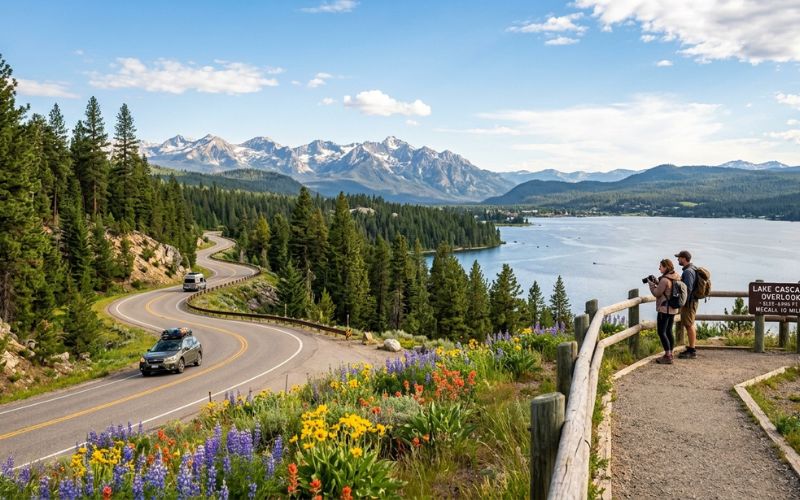
    Driving the Overseas Highway feels like a road on water. Turquoise water sits on both sides as you move from Key Largo to Key West. This 113-mile chain is home to some of the best things to do in the Florida Keys. You can snorkel bright coral reefs, feed huge tarpon from a dock, and visit sea turtle hospitals. Families can enjoy calm beaches and animal shows. Couples can explore historic homes, watch famous sunsets, and relax on quiet sands. This 2026 guide shows the top activities by island, simple day plans, and key tips for flights, cars, and hotels. Most visitors fly into Miami International Airport and drive about 2 to 3 hours to reach the heart of the islands. Use this guide to plan a smooth trip from Miami or straight into Key West.

    Quick Answer: What Are the Best Things to Do in the Florida Keys?

    The best things to do in the Florida Keys are snorkeling or diving at John Pennekamp Coral Reef State Park, feeding tarpon at Robbie’s of Islamorada, and touring The Turtle Hospital in Marathon. Top picks also include the Hemingway Home, Mallory Square sunset, and the Southernmost Point buoy in Key West.

    • John Pennekamp Coral Reef State Park: Snorkel, dive, or take a glass-bottom boat over the reef.
    • Robbie’s of Islamorada: Buy fish feed and hand-feed large tarpon from the dock.
    • The Turtle Hospital, Marathon: Take a guided tour of this sea turtle rescue center.
    • Seven Mile Bridge and Pigeon Key: See views of the long bridge and learn about the old railroad camp.
    • Bahia Honda State Park: Relax on top-rated beaches with clear, calm water.
    • Dry Tortugas National Park: Take a ferry or seaplane to Fort Jefferson and shallow reefs west of Key West.
    • Ernest Hemingway Home and Museum: Tour the writer’s house and meet the famous six-toed cats.
    • Mallory Square: Watch street performers and a lively sunset celebration each evening.
    • Southernmost Point Buoy: Take a photo at this famous landmark in Key West.
    • Theater of the Sea: Watch marine shows and see dolphins, sea lions, and other animals.

    Florida Keys Map & How the Islands Work

    The Florida Keys chain stretches from Key Largo in the north to Key West in the south. You navigate the islands using the Overseas Highway, also known as US-1, which uses mile markers to track your location.

    Many visitors choose a base for their trip. Key Largo works well for divers, Marathon fits families, and Key West offers the best nightlife and history. Plan your travel based on these hubs to save time on the road.

    Best Things to Do by Island

    Key Largo & Upper Keys John Pennekamp Coral Reef State Park is the first undersea park in the U.S. Visitors can snorkel, dive, or ride a glass-bottom boat to see coral and fish. Go early in the day to avoid the largest crowds. The African Queen Canal Cruise uses a historic boat from a classic film for sightseeing and dinner trips. Certified dolphin centers offer educational programs and swim options. Dagny Johnson Key Largo Hammock Botanical State Park has short trails through rare tropical plants and birds.

    Islamorada & Middle Keys Robbie’s of Islamorada lets you buy fish feed and hand-feed large tarpon from the dock. This is a low-cost favorite for families. Theater of the Sea offers animal shows and boat rides to see marine life up close. The Florida Keys History & Discovery Center explains local shipwrecks and diving history. Windley Key Fossil Reef Geological State Park has short hikes over ancient fossil coral.

    Marathon, Grassy Key & Big Pine Key The Turtle Hospital offers guided tours of its sea turtle rescue and care work. It is best for families and animal lovers. The Dolphin Research Center on Grassy Key runs training shows and educational programs. Bahia Honda State Park has some of the best beaches in the area, plus snorkeling and camping near the old bridge. Seven Mile Bridge and Pigeon Key provide views of the long span and tours of the old railroad camp.

    Key West (Lower Keys) The Ernest Hemingway Home and Museum includes the writer’s house, gardens, and famous six-toed cats. Mallory Square hosts a nightly sunset celebration with performers, vendors, and waterfront views. The Southernmost Point Buoy is a bright landmark for photos at the southern tip of the continental U.S. Fort Zachary Taylor Historic State Park combines a historic fort with a beach and snorkeling.

    Best Things to Do by Island

    Top Water Activities & Tours

    Snorkeling & Scuba Diving John Pennekamp Coral Reef State Park is the top spot for first-time reef visits. Sombrero Reef near Marathon also has clear water, sea turtles, and colorful fish. Always check wind and weather conditions with your tour operator before you head out. Rent masks, fins, and snorkels from local shops for a better fit and quality. Always wear sunscreen, drink plenty of water, and follow all safety rules on boats to protect yourself and the reef.

    Eco-Tours, Kayak & Paddleboard Backcountry tours move slowly through mangroves and calm bays. This is a safe way to see birds, fish, and small sharks. If you are new to paddleboards, pick a wide, stable board. Choose tour companies that teach about coral protection and give money to local conservation work. These tours are great for families who want a quiet, natural experience away from the crowds.

    Fishing, Boat Rentals & Sunset Cruises The area is known for sportfishing for snapper, grouper, and other species. Charters can help you find the best spots. If you are a confident boater, rent a boat and explore quiet sandbars on your own. For an easy evening, book a sunset catamaran with drinks and light snacks. Costs for these activities range from small rental fees for gear to higher prices for full-day fishing charters.

    Unique, Family-Friendly & Free Things to Do

    • Unique experiences: Spend a night or take a tour of Jules’ Undersea Lab, an underwater room 21 feet below the surface. Visit the Coral Restoration Foundation to see how experts grow and plant new coral.
    • Family-friendly highlights: The Turtle Hospital and Theater of the Sea give hands-on animal time. Shallow beaches like Sombrero Beach and Bahia Honda are safe for young kids. The Key West Butterfly & Nature Conservatory is a calm, indoor option on hot or rainy days.
    • Free & low-cost ideas: Walk or bike part of the old Seven Mile Bridge for wide views. Watching sunset at Mallory Square is free and full of performers. Stroll Duval Street, explore Old Town Key West, and relax on public beaches like Smathers Beach.

    1-, 3- & 5-Day Florida Keys Itineraries

    1-Day Florida Keys Mini-Trip If you have one day, pick one area so you do not spend too much time in the car. For water lovers, start in Key Largo with a morning snorkel tour at John Pennekamp Coral Reef State Park. After lunch, stop at Robbie’s of Islamorada to feed the tarpon from the dock. End your day at a calm beach like Anne’s Beach or Sombrero Beach before heading back. If you prefer culture and history, spend the full day in Key West. Visit the Hemingway Home in the morning, walk to the Southernmost Point Buoy, and finish at Mallory Square for the sunset celebration.

    3-Day Florida Keys Itinerary Day 1: Explore Key Largo and Islamorada. Take a morning snorkel or dive trip at John Pennekamp (~30 minutes from Key Largo to Islamorada). In the afternoon, feed tarpon at Robbie’s and visit a short trail at Windley Key Fossil Reef. Day 2: Head to Marathon and nearby keys. Tour The Turtle Hospital to see rescued sea turtles. Spend the rest of the day at Bahia Honda State Park for beach time and snorkeling. Day 3: Spend your final day in Key West. Tour the Hemingway Home, walk around the Southernmost Point, and explore Old Town. End with the sunset celebration at Mallory Square and a walk down Duval Street.

    5-Day Florida Keys Road Trip Day 1: Arrive from Miami and stay in Key Largo. Take an easy afternoon snorkel trip or a glass-bottom boat ride. Walk a short trail at a local park to stretch after your drive. Day 2: Move to Islamorada. Visit a marine park like Theater of the Sea and learn about local history at the Discovery Center. Watch sunset at a bayfront spot like Morada Bay. Day 3: Visit Marathon and Big Pine Key. Tour The Turtle Hospital in the morning. Spend the afternoon at Bahia Honda State Park and take photos from the Seven Mile Bridge viewpoint (~1 hour drive from Marathon to Key West). Day 4–5: Stay in Key West. Use one full day for museums and landmarks like the Hemingway Home, Butterfly Conservatory, and Fort Zachary Taylor. On your last day, relax on a beach like Smathers, then join a sunset boat trip or a quiet evening on Duval Street.

    Practical Planning Tips for a Smooth Trip

    Best Time to Visit & Weather Basics The busiest months are December through April, when weather is mild and dry. Hurricane season runs from June 1 to November 30, with the highest storm risk from August through October. For a mix of good weather, smaller crowds, and lower prices, consider late April, May, or early October.

    Getting There & Getting Around Most visitors fly into Miami International Airport and rent a car to drive the Overseas Highway. A car is the easiest way to visit different islands. In Key West, parking can be hard and expensive. Use a bike, scooter, or rideshare once you are in town. If you fly into Key West International Airport, you can get around by taxi or bike easily without needing your own car.

    Where to Stay & What to Book in Advance Key Largo is a good base for divers and quiet stays. Marathon works well for families who want beaches and turtle or dolphin visits. Key West is best for nightlife, history, and walkable streets. Book the Dry Tortugas ferry or seaplane, popular dolphin swim programs, and top sunset cruises several weeks ahead in peak season to ensure you get a spot.

    Practical Planning Tips for a Smooth Trip

    The Final Verdict on “Things to Do in the Florida Keys”

    The Florida Keys mix underwater adventure, wildlife visits, and relaxed island life. For a smooth trip, pick one base in Key Largo, one in Marathon, and one in Key West. Plan one day for reefs and water sports, one day for turtles, dolphins, or tarpon, and one day for Key West history and sunsets. If you are planning a trip, share which island you will use as your base and the one activity you are most excited about. Your note can help other travelers build their own plans.

    FAQs: Things to Do in the Florida Keys

    What not to miss in the Florida Keys?

    Do not miss snorkeling at John Pennekamp Coral Reef State Park, feeding tarpon at Robbie’s of Islamorada, and touring The Turtle Hospital in Marathon. Also make time for the Hemingway Home, the Southernmost Point buoy, and the sunset celebration at Mallory Square in Key West.

    What months should you avoid Key West?

    The highest hurricane risk is from August through October. These months can bring heavy rain and trip disruptions. December through April is peak season with high crowds and prices. If you want fewer people and better deals, look at late April, May, or early October.

    What are the top things to do in Key West specifically?

    Top spots in Key West include the Ernest Hemingway Home and Museum, the Southernmost Point Buoy, and Fort Zachary Taylor Historic State Park. Add the Key West Butterfly & Nature Conservatory, the Truman Little White House, and time to walk Duval Street and Old Town.

    You May Be Interested In:
    Things to Do in Tahiti Bora Bora: Current Guide to the Best Activities & Itineraries
    Things to Do in Split Croatia: Best Attractions, Beaches & Day Trips

    Disclaimer
    This guide is for informational and educational purposes only. Always check local rules and conditions before planning your trip. Some images in this guide are AI-generated for illustrative use. All trademarks and copyrights mentioned belong to their own owners. We encourage travelers to verify all booking details directly with official service providers before making travel plans.

  • Things to Do in Tahiti Bora Bora: Current Guide to the Best Activities & Itineraries

    Things to Do in Tahiti Bora Bora: Current Guide to the Best Activities & Itineraries

    If you are searching for the best things to do in Tahiti Bora Bora, this current guide covers must-try experiences, top itineraries, and practical tips for USA and UK travelers. French Polynesia offers stunning turquoise lagoons, iconic overwater bungalows, and top spots for snorkeling and diving. Whether you are planning a honeymoon, a family trip, or an adventure, this guide provides clear lists, time estimates, and ideas to save money. By splitting your time between these islands, you get the perfect mix of city culture and tropical relaxation.

    What are the best things to do in Tahiti Bora Bora?

    The best things to do in Tahiti Bora Bora include a lagoon tour with a private island lunch, swimming with manta rays and sharks, enjoying sunsets at Matira Beach, and taking an island ATV tour. Tahiti further enhances your trip with vibrant city markets, local culture, and easy waterfall hikes. These activities offer the most complete way to see the beauty and real feel of French Polynesia.

    Top 10 Things to Do in Bora Bora

    Bora Bora is famous for its clear blue waters and volcanic peaks. Most visitors spend at least 3 to 4 days here to enjoy the lagoon and land tours. These activities help you see the best of the island without wasting time or money.

    Full-day lagoon tour with lunch on a motu

    This boat tour takes you around the famous lagoon for multiple snorkel stops. It ends with a traditional island buffet on a quiet small island, known as a motu. It is the best way to see coral gardens while enjoying a beach meal. Tours typically last 6 to 8 hours. Morning starts often provide the best light for photos. This tour is best for first-time visitors and families. You can book it online before your trip or through your hotel in Bora Bora.

    Swim with manta rays, sharks & stingrays

    You can visit the “manta ray ballet” sites or shallow sandbars where stingrays and blacktip reef sharks gather. Most guided tours provide the necessary gear and safety briefings for all skill levels. I tested these morning tours personally and found the water much clearer and calmer before noon. This activity is best for people who can swim a little. Look for tours with small groups and good safety reviews.

    Matira Beach and sunset views

    Matira Beach is a famous public stretch of white sand with perfect views of Mount Otemanu. It is free to visit and ideal for a relaxing afternoon. You can easily combine this with a picnic or a drink at a nearby beach bar as the sun goes down. This is best for couples and photographers. No booking is needed; just bring a towel and some water.

    ATV and 4×4 island tours with WWII sites

    These tours take you into the lush interior of the island. You will see high viewpoints, ancient stone temples called marae, and historic WWII cannons. Most tours last 2 to 3 hours and include convenient hotel pickup. It is a great way to see the island’s history and terrain. This is best for adventure lovers and history fans. Most operators offer morning and afternoon slots.

    Top 7 Things to Do in Tahiti (Main Island)

    Tahiti is more than just a gateway. It features a lively capital city and a natural interior. Many travelers only spend 1 or 2 days here, but it is worth more time if you like culture and nature.

    Papeete Market and waterfront stroll

    The central market is the best place to find local handicrafts, colorful pareos, fresh food, and vanilla. A walk along the waterfront in the evening shows you local cafes and small art galleries. Plan for 1 to 2 hours here. This is best for shoppers and food lovers. Go in the morning when the market is most lively.

    Bougainville Park and city sights

    This park offers shaded walkways and a peaceful water garden in the middle of Papeete. You can pair a visit here with a trip to the nearby cathedral or local museums. It makes for a great half-day city tour. This is best for a relaxed walk between other city sights. It is also a good spot for kids to run around.

    Tahiti Safari and interior 4×4 adventures

    Guided 4×4 trips take you deep into the rainforest to see waterfalls and high mountain views. This is the best way for those who want to see nature without taking long, difficult hikes. This is best for families and travelers who do not want long hikes. Ask your hotel to help you book a trusted guide.

    Waterfall hikes and rainforest trails

    Trails like the Fautaua Valley offer beautiful views of cascading water. Be sure to wear sturdy shoes and bring plenty of water. Depending on your pace, these treks usually take 2 to 4 hours. This is best for active travelers who enjoy nature trails. Start early to avoid heat and crowds.

    Top 7 Things to Do in Tahiti (Main Island)

    5-Day and 7-Day Itineraries for Tahiti Bora Bora

    Use these plans to manage your time effectively. You can adjust them based on your budget and energy level.

    5-Day Plan (First-Timers)

    • Days 1–2: Arrive in Tahiti. Visit the Papeete Market and take a short 4×4 tour to a waterfall. Sleep in or near Papeete.
    • Days 3–5: Fly to Bora Bora. Do one full-day lagoon tour, one manta ray snorkel trip, and one relaxed day at Matira Beach. Add a short ATV tour if you have time.

    7-Day Plan (Honeymoon or Longer Trip)

    • Days 1–3: Spend more time in Tahiti. Add a cultural show, a lagoon day trip, and extra time at the waterfront.
    • Days 4–7: Stay mostly in Bora Bora. Book an overwater bungalow if you can. Add a private lagoon cruise, a romantic dinner, and a spa treatment. Keep one free day for relaxing on the beach.

    If you are on a budget, spend more time on Tahiti where hotels and food cost less. For more adventure, add extra hiking days on the main island or more water sports in Bora Bora.

    Things to Do in Tahiti Bora Bora for Couples, Families & Adventure Seekers

    Romantic experiences for couples and honeymoons

    Couples love private picnics on a motu, sunset catamaran cruises, and overwater bungalow stays. Adding a couple’s spa treatment with local oils is a classic way to enjoy a honeymoon.

    Family-friendly activities in Tahiti and Bora Bora

    Families enjoy shallow snorkeling in the lagoon and gentle boat tours. Matira Beach is perfect for children, and many local cultural shows are fun and educational for all ages.

    Adventure and water sports for active travelers

    Active travelers should try jet ski circuits, underwater scooter tours, or scuba dives to see manta rays. The interior mountain trails on Tahiti offer a big challenge for those who like to hike.

    Unique and Unusual Things to Do in Bora Bora and Tahiti

    Beyond the standard tours, these options offer a closer look at the islands.

    • Private motu picnic: Enjoy a meal prepared by a local guide on a quiet small island. This is great for couples who want privacy and great photos.
    • Manta ray night dive: See these giants in the dark for a truly rare view. You need basic diving experience for this activity.
    • Scenic flight: Take a helicopter tour to see the lagoon and Mount Otemanu from the air. This is a good choice if you love views but do not want long boat rides.
    • Pearl farm tour: Learn how black pearls are grown and shop for local jewelry. Many farms offer short talks and demonstrations.
    • Cooking class: Learn to make traditional island dishes with local ingredients. This works well on a rainy afternoon.
    • Eco-tours: Join a group focused on protecting the local marine life. These tours often include talks about coral and fish.

    Bora Bora Activities and Prices: What to Expect

    Prices change based on the season and the operator. Booking in advance usually secures your spot on popular boat tours.

    ActivityTypical Price Range
    Full-day lagoon tour$120 – $200
    Manta/shark snorkel$80 – $150
    Jet ski tour$150 – $250
    ATV / 4×4 tour$100 – $180
    Scuba diving$90 – $160
    Sunset cruise$100 – $200

    What to Do in Tahiti for a Day (Stopover Guide)

    If you have one day in Tahiti, follow this simple plan:

    • Morning: Explore the Papeete Market and walk the waterfront.
    • Midday: Visit Bougainville Park and take a short 4×4 tour to a waterfall.
    • Afternoon: Relax at a beach or enjoy a short lagoon snorkel trip.
    • Evening: Eat at a local waterfront restaurant.Use taxis or pre-booked shuttles to move between these spots quickly.

    Planning Tips for USA and UK Travelers

    Long-haul flights are part of the journey. Most travelers fly into Tahiti via Los Angeles, San Francisco, or Auckland. From there, you take a short domestic flight or boat to Bora Bora. Travelers from the USA and UK should expect at least one long stop on the way to Tahiti, so plan rest time on arrival.

    • Best time to visit: The dry season, from May to October, is ideal for the weather. These months also match summer holidays in the USA and UK.
    • Trip length: Plan for at least 7 to 10 days to account for travel time. Shorter trips can feel rushed because of the long flights.
    • Currency/Language: The currency is the CFP franc. French and Tahitian are official, but English is widely spoken in hotels and tour offices.
    • Tipping: Tipping is not required in French Polynesia, but it is appreciated for great service. Small tips in cash are common for tour guides and boat crews.
    • Entry Requirements: You need a passport valid for at least 6 months to enter French Polynesia.
    Planning Tips for USA and UK Travelers

    The Final Verdict on “Things to Do in Tahiti Bora Bora”

    The best trip mixes the culture of Tahiti with the amazing lagoon of Bora Bora. Must-do activities include the full-day lagoon tour, manta ray snorkeling, Matira Beach, and 4×4 interior tours. If you can only pay for one big tour, choose a high-quality, small-group lagoon tour in Bora Bora. It is the real way to enjoy the world’s most famous water.

    If you are planning from the USA or UK, book your main tours at least a few weeks before you travel. This helps you avoid sold-out dates in peak season.

    Frequently Asked Questions

    Do I need a visa to visit Tahiti and Bora Bora from the USA or UK?

    USA and UK citizens do not need a visa for short tourist stays of up to 90 days. You must have a passport valid for at least six months beyond your departure date and proof of a return flight. Always check the latest entry rules before you fly, as these can change.

    How do I get from Tahiti to Bora Bora?

    The most common way to travel from Tahiti to Bora Bora is by a short domestic flight, which takes about 45 to 50 minutes. Air Tahiti operates these daily flights. Once you land at the Bora Bora airport, which is on a small island, you will take a free boat shuttle to the main village of Vaitape.

    Is it better to stay in an overwater bungalow or a beach villa?

    An overwater bungalow is the iconic Bora Bora experience, offering direct access to the lagoon and great views. Beach villas are often a better choice for families with young children or travelers who want more space and direct access to the sand. Both options provide a high level of comfort and privacy.

    What is the best way to get around Bora Bora?

    The main island of Bora Bora is small, so you can get around by bike, rental car, or local taxi. Many resorts provide boat shuttles to take you to the main island for dining or shopping. If you stay on the main island, renting a car for a day or two is an easy way to explore at your own pace.

    Can I drink the tap water in Tahiti and Bora Bora?

    It is generally best to drink bottled or filtered water in French Polynesia. While water in major hotels is often treated, many visitors prefer to use bottled water for drinking to avoid any stomach issues. Most resorts provide fresh drinking water in your room daily.

    You May Be Interested In:
    Things to Do in Split Croatia: Best Attractions, Beaches & Day Trips
    Things to Do in Rio de Janeiro Brazil: The Expert Guide

    Disclaimer
    This guide is for informational and educational purposes only. Travel details like prices and schedules can change, so always check with official sources before you book. Some images in this guide are AI-generated for illustration. All trademarks and copyrights belong to their owners. We are not responsible for any changes or losses during your trip.

  • Things to Do in Split Croatia: Best Attractions, Beaches & Day Trips

    Things to Do in Split Croatia: Best Attractions, Beaches & Day Trips

    If you’re planning a trip along the Adriatic, these are the best things to do in Split, Croatia. This city blends rich Roman heritage, a beautiful Dalmatian coast, stunning islands, fresh food, and a relaxed vibe. This guide covers must-see attractions, top beaches, day trips, food experiences, and practical tips so you can plan a perfect Split itinerary.

    Quick Answer: What Are the Best Things to Do in Split Croatia?

    The best things to do in Split, Croatia include exploring Diocletian’s Palace, climbing the Bell Tower of St Domnius, wandering the Riva Promenade, and hiking Marjan Hill for views. Top day trips from Split are the Blue Cave and 5-island boat tours, Krka National Park waterfalls, and Klis Fortress.

    • Diocletian’s Palace
    • Cathedral Bell Tower
    • Riva Promenade
    • Marjan Hill & viewpoints
    • Bačvice & Kašjuni beaches
    • Blue Cave & island tours
    • Krka National Park

    Top Split Croatia Attractions in the Old Town

    Diocletian’s Palace (UNESCO World Heritage Site)

    This is a 4th-century Roman palace that forms the beating heart of the Old Town. It is not just a museum but a living area where people still reside. You must see Peristil Square, the Vestibule, and the basement halls used in major television filming. Pro-tip: Visit at sunrise to have the ancient stone hallways all to yourself before the crowds arrive.

    Cathedral of St Domnius & Bell Tower

    The cathedral features a stunning interior, a crypt, and a baptistery. Climbing the bell tower provides the best panoramic views of the city and the sea. If you want the best photos, go early in the morning when the sun hits the terracotta rooftops. Check the local office for combo tickets that include all parts of the site.

    Riva Promenade & Narodni Trg

    The Riva is a wide, marble-paved waterfront lined with tall palm trees and lively cafés. It is the perfect place to watch the sunset over the Adriatic. Extend your walk to Narodni Trg, known as People’s Square, to see beautiful historic clock towers and local architecture.

    Golden Gate & Gregory of Nin Statue

    The Golden Gate served as the grand northern entrance to the original Roman palace. Just outside stands the massive bronze statue of Gregory of Nin. Local tradition says you should rub his big toe for good luck. It is a very popular spot, so be patient for your photo opportunity.

    Best Museums and Cultural Experiences in Split

    Meštrović Gallery

    Ivan Meštrović was Croatia’s most famous sculptor. His former seaside villa now hosts a vast collection of his work set in beautiful gardens. I have tested this walk; it is a peaceful escape from the city center and connects well with a trek up Marjan Hill.

    Archaeological Museum & City Museum

    These museums hold extensive collections of Roman, Greek, and medieval Dalmatian artifacts. They are excellent for history lovers or families looking for an educational indoor activity on a rainy day.

    Game of Thrones Museum & Filming Locations

    This museum displays costumes, props, and behind-the-scenes details from the famous show. Many key scenes were filmed in the Diocletian’s Palace cellars and at the nearby Klis Fortress. If you are a fan of the show, visiting these real-life sets is essential.

    ExperienceBest ForFocus
    Meštrović GalleryArt LoversSculptures & Views
    Archaeological MuseumHistory BuffsAncient Artifacts
    GoT MuseumTV FansFilming History
    Best Museums and Cultural Experiences in Split

    Top Beaches Near Split Croatia

    Bačvice Beach

    Bačvice is a sandy, central beach with shallow, warm water. It is very popular with locals who gather here to play a traditional water game called picigin. This is the best choice for families or those wanting a social, energetic atmosphere.

    Kašjuni Beach

    This beach features small pebbles and a scenic cove located at the base of Marjan. It offers a more chic, quiet feel with a beach bar perfect for sunset drinks. It is an ideal spot for couples or photographers.

    Bene Beach & Obojena Svjetlost

    These are mixed pebble and rock beaches that offer more natural shade. They provide a relaxed, local vibe and are often dog-friendly. Choose these spots if you want to escape the main tourist crowds.

    Marjan Hill: Viewpoints, Trails & Sunset Spots

    Marjan is a large forested peninsula often called the “lungs of Split.” It offers over 12 miles of trails for walking and cycling. The best viewpoint is Telegrin Peak, which sits at 178 meters. A round-trip hike to this peak takes about 2 hours. You will find small chapels, a botanical garden, and perfect picnic areas along the way. I recommend walking the stairs from the Old Town for a great workout with a rewarding view.

    Best Day Trips from Split Croatia

    Blue Cave & 5-Island Speedboat Tour

    These full-day tours last 8 to 10 hours and visit the famous Blue Cave on Biševo plus stops in Hvar and the Pakleni Islands. This trip is best for first-time visitors who want to see the best islands quickly.

    Krka National Park Waterfalls

    This park features stunning cascades, walking paths, and swimming areas. Tours typically last a full day and sometimes include a stop in the historic town of Trogir. This is a top choice for nature lovers and families.

    Klis Fortress & Game of Thrones Tour

    Klis is a massive medieval fortress overlooking the valley, famously used as the city of Meereen. It is a quick and rewarding afternoon trip perfect for history buffs and fans of fantasy shows.

    Omiš & Cetina River Adventures

    Located about one hour from the city, Omiš offers rafting, zip-lining, and canyon hikes. It is the best day trip for adventure seekers and active travelers.

    Food, Markets & Local Experiences in Split

    Pazar (Green Market) & Fish Market (Ribarnica)

    The Pazar is the place to buy fresh fruit, local olives, and cheese in the morning. The Fish Market is a historic building where you can see the daily catch. Bring cash and arrive early to experience the authentic local morning routine.

    Dalmatian Food to Try in Split

    You must try pašticada, a traditional beef stew, and fresh grilled seafood. For drinks, look for local wines like Pošip or Plavac Mali. You can find the best meals in small konobas (taverns) hidden in the Veli Varoš neighborhood.

    Cooking Classes, Wine Tastings & Food Tours

    Hands-on classes help you learn to make local pasta and seafood. Guided food tours are perfect for foodies who want to taste the best of the market and the Old Town in one afternoon.

    Split Croatia Itineraries: 1, 2 & 3 Days

    1 Day in Split: Highlights-Only Route

    • Morning: Explore Diocletian’s Palace and Peristil.
    • Afternoon: Climb the Bell Tower and walk the Riva Promenade.
    • Evening: Enjoy a traditional dinner in the Old Town.

    2–3 Days in Split: Old Town, Beaches & One Day Trip

    • Day 1: Full tour of the Palace, museums, and Riva.
    • Day 2: Hike Marjan Hill, relax at Kašjuni Beach, and try local wine.
    • Day 3: Choose one big day trip like the Blue Cave or Krka National Park.

    Practical Tips for Visiting Split Croatia

    • Best Time: Shoulder season (April–May or September–October) offers great weather with fewer crowds.
    • Getting Around: The Old Town is fully walkable. Use local buses to reach Marjan Hill or distant beaches.
    • Safety: Always check tour inclusions before booking to avoid overpaying at tourist traps.
    • Costs: Budget for a mix of affordable street food and moderate sit-down restaurant prices.
    Practical Tips for Visiting Split Croatia

    The Final Verdict on Things to Do in Split Croatia

    Split offers a perfect mix of Roman history, beautiful beaches, and easy access to the Adriatic islands. The must-see spots are Diocletian’s Palace, the Bell Tower, and Marjan Hill. With at least two days in the city, you can enjoy all the main sites and still take a day trip to see the waterfalls or islands. For the best experience, visit the Palace early in the day, save afternoons for the beach, and book your boat tours in advance. Please share which experience you are most excited about in the comments.

    People Also Ask: Things to Do in Split Croatia

    What Is the Number 1 Thing to Do in Split?

    Exploring Diocletian’s Palace and the Old Town is the top activity. It is a unique UNESCO site that functions as the center of daily city life.

    How Many Days Do You Need in Split?

    Two to three days allow you to see the city highlights, while adding one or two extra days lets you enjoy day trips to nearby islands or parks.

    What Are the Best Free Things to Do in Split?

    You can walk the exterior of Diocletian’s Palace, stroll the Riva Promenade, hike the Marjan Hill trails, and visit many public beaches for free.

    What Are the Best Day Trips from Split?

    The most popular trips are the Blue Cave island tours, Krka National Park, Klis Fortress, and the adventure sports found in Omiš.

    Is Split Worth Visiting?

    Yes, it is highly worth visiting for its mix of ancient history, beautiful Adriatic coastline, and easy access to nature and islands.

    What Are Unusual Things to Do in Split Croatia?

    Try a night stand-up paddleboarding tour, explore hidden viewpoints on Marjan, or visit the fish market at dawn to see local life.

    What Are the Best Things to Do in Split in October?

    October features mild weather perfect for walking, visiting museums, or taking day trips without the intense heat and crowds of summer.

    You May Be Interested In:
    Things to Do in Rio de Janeiro Brazil: The Expert Guide
    Things to Do in Port Angeles: 15+ Best Activities, Day Trips & Local Secrets

    Disclaimer
    This article is for informational and educational purposes only. Travel details can change, so please check official sources before your trip. Some images in this guide are AI-generated for illustrative purposes. All trademarks and copyrights belong to their respective owners. We are not responsible for any actions taken based on the information provided here.
  • Things to Do in Rio de Janeiro Brazil: The Expert Guide

    Things to Do in Rio de Janeiro Brazil: The Expert Guide

    Rio de Janeiro draws visitors with its steep green mountains, world-famous golden beaches, and non-stop city energy. When planning your trip, you will find an endless variety of things to do in Rio de Janeiro Brazil, ranging from iconic landmarks to hidden local spots. This guide lists top attractions, beaches, free activities, and key safety tips so you can plan a smooth trip. By the end, you will know how to build your perfect visit to the “Marvelous City.”

    What Are the Best Things to Do in Rio de Janeiro Brazil? (Quick Answer)

    The best things to do in Rio de Janeiro Brazil are visiting Christ the Redeemer, riding the cable car up Sugarloaf Mountain, and relaxing on Copacabana and Ipanema beaches. You should also see Escadaria Selarón, enjoy samba nights in Lapa, hike in Tijuca National Park, and watch the sunset at Arpoador.

    • Christ the Redeemer (Cristo Redentor)
    • Sugarloaf Mountain cable car
    • Copacabana & Ipanema beaches
    • Escadaria Selarón & Santa Teresa
    • Lapa arches & samba bars
    • Tijuca National Park hikes
    • Rio Botanical Garden (Jardim Botânico)
    • Sunset at Arpoador / Mirante Dona Marta
    • Museu do Amanhã & Praça Mauá
    • Guided community tours

    Top Rio Attractions You Can’t Miss

    Christ the Redeemer (Cristo Redentor)

    Christ the Redeemer is a massive statue that stands as the global symbol of Rio. To reach the summit of Corcovado Mountain, take the historic cog train from Cosme Velho or choose an authorized van service. I recommend visiting early in the morning to beat the thickest crowds and ensure clear views. Always book your tickets online in advance, especially if you want to catch the sunset. Wear comfortable walking shoes and bring a light jacket, as the summit can be breezy. Plan to spend about 2 to 3 hours here to take photos and see the views from every angle.

    Sugarloaf Mountain (Pão de Açúcar)

    Sugarloaf Mountain offers a unique two-stage cable car ride that provides panoramic views of the entire bay. Start at Morro da Urca before taking the final car to the highest peak. Go an hour before sunset for the best lighting, but check the weather forecast to avoid cloud cover. Tickets are available online; booking ahead allows you to skip the physical ticket line. From the top, you can clearly see the city layout, the ocean, and the surrounding islands. A visit here usually takes about 2 to 3 hours, giving you plenty of time to enjoy the scenery.

    Escadaria Selarón is a famous staircase covered in bright tiles by artist Jorge Selarón. Visit early in the morning for fewer crowds and better photos. Then walk up to Santa Teresa to see local art studios and cafés. Keep your phone and camera tucked away when moving between areas to stay safe.

    Many visitors say that the views from Christ and Sugarloaf are the best part of their trip. On a clear day, you can see the beaches, the bay, and the green hills all at once. Most people spend a full morning or afternoon on these two sights.

    Best Beaches & Outdoor Experiences

    Copacabana, Ipanema & Leblon

    These three beaches offer distinct moods for every type of visitor. Copacabana is the most iconic and busy beach, while Ipanema and Leblon offer a trendier, local feel. Look for “Postos” (lifeguard towers) to orient yourself; Posto 9 in Ipanema is a popular gathering spot. Always keep your bags in sight and avoid bringing valuables to the sand. Each beach has kiosks selling cold drinks and snacks. You can also join in on local sports like volleyball or beach football.

    BeachBest ForVibe
    CopacabanaSightseeingHistoric & Busy
    IpanemaSocializingTrendy & Local
    LeblonFamiliesQuiet & Upscale

    Barra da Tijuca is a long, clean beach that locals love. It is great for long walks, running, and water sports like surfing and kiteboarding. From the South Zone, take the metro to the end of the line, then use a bus or ride-share to reach Barra.

    Tijuca National Park is one of the largest urban rainforests in the world. Trails like Pedra Bonita give amazing views over the coast. If you are not an experienced hiker, use a local guide and stay on marked paths. Carry water and wear good hiking shoes.

    Rio’s beaches are free and open to everyone. You can rent a beach chair or sit on your towel on the sand. Many people play football, volleyball, or footvolley, a local mix of football and volleyball. Lifeguards watch the water, but always check the flags for strong currents before you swim.

    Best Beaches & Outdoor Experiences

    Culture, Nightlife & Local Life

    Lapa is the heart of Rio nightlife, known for its white arches and bohemian vibe. Look for “rodas de samba” (samba circles) in local bars and clubs. At night, use ride-share apps instead of walking through dark or empty streets. You can find tasty snacks like “pastel” (fried dough) at street stands nearby to enjoy while you listen to the music.

    The city center has old buildings and modern places like the Museum of Tomorrow (Museu do Amanhã). Praça Mauá is the main square in the updated port area. It is a great place to walk. Check local websites for free-entry days, which often occur on Tuesdays at several major museums.

    Guided community tours help you learn about Rio’s history and how local people face hard times. Use only reputable, locally-run operators who prioritize giving back to the community. When on a tour, always ask permission before taking photos of individuals or homes to be respectful.

    In Lapa and Centro, you can hear many styles of music, like samba, choro, and funk. Samba is slow and rhythmic, while funk is fast and loud. Trying local food is also part of the experience. You can find simple snacks like “pastel,” “coxinha” (chicken croquettes), and fresh fruit juice at small stands and bars.

    Free & Budget Things to Do in Rio de Janeiro Brazil

    Rio offers many high-quality experiences that cost nothing. Use this list to keep your spending low while seeing the best parts of the city.

    • Swimming at Copacabana, Ipanema, and Leblon
    • Walking the famous black-and-white boardwalks
    • Watching the sunset from Arpoador
    • Walking the tiled steps of Escadaria Selarón
    • Exploring the hills and views of Santa Teresa
    • Visiting public parks like Flamengo Park
    • Hiking the self-guided trails in Tijuca
    • Watching street music performances
    • People-watching in the vibrant neighborhoods
    • Visiting major museums on free-entry days

    Pro-Tip: Eat at local “kilo” restaurants where you pay by the weight of your food. This is the cheapest way to enjoy a full, healthy Brazilian meal with many options like grilled meat, rice, beans, and fresh salad.

    2026–27 Events & Festivals Worth Planning Around

    • Carnival: This massive event typically happens in February or March. It features the incredible Sambadrome parades and street “blocos” (parties) throughout the city. Expect higher prices and limited hotel space, so book many months in advance to save money.
    • New Year’s Eve (Réveillon): Copacabana hosts one of the world’s largest parties with live stages and fireworks. It is a crowded but unforgettable experience. Plan your transport ahead of time as roads near the beach often close to cars.
    • Rock in Rio: This major music festival features global stars. It draws huge crowds, so plan your bus or metro routes early.

    During big events, hotels and flights cost more and get booked fast. If you can, visit just before or after Carnival or Rock in Rio. You will still feel the party vibe, but prices and crowds will be lower.

    Smart Rio Itineraries: 1, 3, and 5 Days

    For one day, start at Christ the Redeemer in the morning. Spend your afternoon at Sugarloaf Mountain, then watch the sunset at Arpoador and have dinner in Ipanema. This plan hits the big sights quickly so you can see the best of the city in a short time.

    3 Days in Rio – First-Timer Plan

    • Day 1: Christ the Redeemer, Tijuca Forest, and Santa Teresa.
    • Day 2: Sugarloaf Mountain and beach time in Ipanema.
    • Day 3: City center, modern museums, and Lapa nightlife.

    For five days, follow the 3-day plan at a slower pace. On day 4, visit the Botanical Garden and Parque Lage. Use day 5 for a community tour or a short trip to Niterói to see the city from across the water. This extra time lets you relax and enjoy the local culture more deeply.

    These itineraries work well for first-time visitors and repeat travelers alike. You can mix and match days based on your energy and interests. If you love beaches, add more beach time. If you love views and hikes, add more time in Tijuca and at the viewpoints.

    Essential Rio Travel Tips

    • Safety, Scams & Common-Sense Rules
    • Rio is generally safe if you follow standard precautions. Never leave your belongings unattended on the beach. Avoid using your phone on busy streets; step inside a shop if you need to check a map. Use reputable ride-share services at night rather than walking. For help, dial 190 to reach the police.
    • Getting Around: Metro, Bus, Uber & Taxis
    • The metro is clean, fast, and the best way to travel between the South Zone and the city center. Use apps like Uber for point-to-point travel, especially at night. Official taxis are also widely available and safe. Always check that the meter is running when you get into a regular taxi.
    • Costs, Budget & Money Tips
    • Carry a small amount of cash for small purchases, but use your credit card at restaurants and stores. Avoid wearing expensive jewelry or watches while out in public. Tipping is common but not required; a small tip of 10% in restaurants is often already included in your bill as a service charge.
    • When to Visit: Weather, Seasons & Crowds
    • The summer months (December to March) are hot and energetic but busy. The shoulder seasons (April to June or August to October) offer milder weather and fewer crowds, making it easier to hike and explore. Learning a few simple words like “Olá” (hello) and “Obrigado” (thank you) will help you connect with the friendly locals.

    Most people in Rio speak Portuguese, not English. In tourist areas, many workers understand basic English, but simple Portuguese phrases help a lot. Besides “Olá” and “Obrigado,” you can learn “Por favor” (please) and “Quanto custa?” (how much does it cost?).

    Rio is a big city, so give yourself extra time to move between areas. Traffic can be heavy during rush hour in the morning and evening. If you have a flight or a timed tour, leave earlier than you think you need so you do not feel stressed.

    Essential Rio Travel Tips

    The Final Verdict on “Things to Do in Rio de Janeiro Brazil”

    Rio de Janeiro mixes beaches, mountains, culture, and nightlife in one city. With simple planning and safe habits, you can enjoy the top sights without stress.

    Expert tip: Book Christ the Redeemer and Sugarloaf tickets online for sunset times, and keep one evening free for a local samba night.

    If you are planning a trip, share your travel dates and style (budget, family, adventure) and I can help you refine your Rio plan.

    People Also Ask: Quick Answers for Rio Travelers

    What are the top 10 things to do in Rio de Janeiro?

    The top 10 include Christ the Redeemer, Sugarloaf, Copacabana, Ipanema, Escadaria Selarón, Lapa, Tijuca National Park, the Botanical Garden, sunset at Arpoador, and the Museum of Tomorrow.

    Is Rio de Janeiro safe for tourists?

    Rio is safe for tourists who stay in busy, well-lit areas and follow common-sense rules. Keep your valuables hidden and use trusted transport.

    How many days do you need in Rio de Janeiro?

    Three days cover the main highlights, while five days allow for a slower, more complete experience with hikes and cultural tours.

    What is the best month to visit Rio de Janeiro?

    December to March is best for beach weather and festivals. April to June or August to October are ideal for those who prefer cooler temperatures and fewer crowds.

    Are there free things to do in Rio de Janeiro Brazil?

    Yes, you can enjoy the beaches, hiking trails, public parks, many viewpoints, and cultural areas like Santa Teresa for free.

    You May Be Interested In:
    Things to Do in Port Angeles: 15+ Best Activities, Day Trips & Local Secrets
    Things to Do in Palm Desert: Best Attractions, Outdoor Activities, and Local Tips

    Disclaimer
    This guide is for general information only. It is not professional travel advice. Always check official sources for up-to-date safety and entry rules before you travel. Some images in this post are AI-generated for illustration. All trademarks and copyrights mentioned here belong to their respective owners. Please travel safely and responsibly.

  • Things to Do in Port Angeles: 15+ Best Activities, Day Trips & Local Secrets

    Things to Do in Port Angeles: 15+ Best Activities, Day Trips & Local Secrets

    Port Angeles is the main entrance to Olympic National Park. It is a busy seaside town on the water. Many people visit this town to enjoy nature, the ocean, and fun local activities. If you are planning a trip, this guide gives you a helpful list of places to see, things to do, and a simple 1-day plan. You will find all the details you need for a fun trip.

    What Are the Best Things to Do in Port Angeles?

    The best things to do in Port Angeles include going to the Olympic National Park visitor center, walking on the city pier, and visiting the marine life center. Many people also enjoy taking the ferry to Victoria, British Columbia, or hiking the local trails.

    • Olympic National Park Visitor Center
    • Waterfront Park and City Pier
    • Feiro Marine Life Center
    • Black Ball Ferry for day trips

    Why Visit Port Angeles?

    This town is a good place to stay while you explore the Olympic Peninsula. It is small, friendly, and easy to walk around. You can find nice places to eat, local shops, and beautiful views of the water.

    • It is close to deep forests, high mountains, and wild beaches.
    • The waterfront is easy to walk and has nice parks.
    • You can go whale watching, go kayaking, or take a boat trip to another country.

    Best Things to Do in Port Angeles

    Start your trip at the Olympic National Park visitor center. Park workers there can give you maps and tell you the best trails to hike. Once you have a plan, walk to the water. The paved path along the harbor and the city pier are perfect for a relaxing walk with great views.

    The marine life center is right on the waterfront. You can see sea stars and other animals that live in the water nearby. It is a great place to learn about the ocean. For more history, take a tour of the underground tunnels in the downtown area. You can also visit the local art center to see pictures and statues. If you are there on a weekend, stop by the farmers market for fresh food and crafts. If you have time, book a boat tour to look for whales in the ocean.

    Outdoor Things to Do in Port Angeles

    Nature lovers will find many fun things to do outside. Hurricane Ridge is a mountain area where you can see amazing views. Many trails near the park entrance are easy and great for a short walk. Always check the weather before you head up the mountain.

    Lake Crescent is a beautiful, clear lake nearby. It is a nice spot for a quick hike or a picnic. If you like the beach, go to the Salt Creek area. It is one of the best places to see tiny sea animals in pools left by the tide. Other beaches are also good for walks at sunset. If you like the water, you can often see seals or sea lions on the floating markers in the harbor. You can also rent a bike or a kayak in the warmer months to explore the coast.

    Outdoor Things to Do in Port Angeles

    Things to Do in Port Angeles with Kids

    Families will have a good time here. The waterfront path is wide and flat, so it is easy to walk with kids. There are many parks with grass where children can play. The marine life center is very fun for kids because they can look closely at sea animals.

    You can also go to the visitor center to join a ranger program. Kids often earn a badge for learning about the park. For a simple treat, take a walk on the pier to look at the fishing boats or stop in town for ice cream. At the beach, kids love looking for shells or playing in the water. These simple activities keep kids happy and busy all day.

    Free Things to Do in Port Angeles

    You can have a great time without spending much money. A long walk along the waterfront is free and very pretty. You can also hike the nature trails that start near the park visitor center.

    The public beaches at Salt Creek are free to use. They are perfect for a family picnic or a morning hunt for seashells. Walking through downtown is also fun. You can look at the colorful wall paintings and local art in the windows. During the year, the town hosts free concerts and festivals. If you combine these free events with a cheap cup of coffee or a snack, you can have a fun day for a very low price.

    Indoor Things to Do in Port Angeles

    If it rains, you can still find things to do inside. The marine life center is a great place to stay dry while seeing sea animals. You can also visit the art center to see cool displays. Local bookstores and cafés are perfect places to sit and read or have a hot drink.

    The underground tour is another good indoor choice because you stay under a roof while you learn about the history of the town. If you want to see a movie or go bowling, there are places in town for that, too. Always check the local event calendar when you arrive to see if there are any shows or music events happening inside.

    Unique Things to Do in Port Angeles

    If you want something different, try a walk through the historic downtown tunnels. Riding the ferry to Victoria is another special trip. You can see the peninsula from the water and visit a new city in a few hours.

    Seasonal boat tours let you get on the water to look for whales. Local wine shops offer a quiet way to taste drinks made in the area. You can also visit small art studios to watch people make paintings and statues. These things give you a special look at how people live in this part of the world.

    Best Day Trips from Port Angeles

    This town is a good place to stay while you visit other spots. Drive to the Hoh Rain Forest to walk among huge trees covered in moss. Lake Crescent is another beautiful place for a short hike. Hurricane Ridge gives you a view from high up in the mountains.

    You can also drive to see the coast or visit the old town of Port Townsend. If you have time, the ferry trip to Canada is a classic way to spend a full day. These trips are easy to do and let you see more of the beautiful peninsula.

    Things to Do in Port Angeles by Season

    The town is different at different times of the year. Summer is the best time for hiking, boat trips, and outdoor festivals. In the fall, there are fewer people, which makes it a quiet time for wine tasting or scenic drives.

    Winter and spring are good times to visit the rainforests. The trees look very green, and the waterfalls are full of water. Storm watching on the beach is exciting, and the cafés in town feel very cozy when it is cold outside. Just be sure to check road reports before you drive into the high mountains in the winter.

    Perfect 1-Day Itinerary in Port Angeles

    For a fun day, follow this plan. Start your morning at the park visitor center to get a map. Then, grab a coffee in town. Spend the middle of the day walking the pier and visiting the marine life center.

    In the afternoon, you can go on a boat trip, visit a winery, or drive to the beach to look for sea animals. In the evening, walk through the downtown shops and art galleries. End your day with a nice dinner by the water. You can change this plan if you are with kids or if the weather is not good.

    Perfect 1-Day Itinerary in Port Angeles

    The Final Verdict on “Things to Do in Port Angeles”

    Port Angeles is a great place to stay. It gives you easy access to nature and all the comforts of a town. Start your trip at the visitor center and spend time by the water for the best experience. It is a simple and rewarding place for any trip. Tell us about your favorite part of your visit in the comments, or ask us if you need help with your plans.

    Things to Do in Port Angeles: FAQ

    Is Port Angeles worth visiting?

    Yes, it is a great home base for seeing the national park and enjoying the waterfront and local food.

    What is Port Angeles famous for?

    It is known as the main way into the national park, its deep harbor, and its ferry to Canada.

    How do you spend a day in Port Angeles?

    Most people visit the park information center, walk the water path, see a museum, and go for a drive or a boat trip.

    What are the best things to do in Port Angeles with kids?

    Families like the touch tanks at the marine center, walking the pier, playing in parks, and exploring beaches.

    What indoor activities are available in Port Angeles?

    You can visit the art center, bookstores, cafés, or take an underground history tour.

    You May Be Interested In:
    Things to Do in Palm Desert: Best Attractions, Outdoor Activities, and Local Tips
    Things to Do in Folly Beach: 17 Best Activities, Local Tips, and Hidden Gems

    Disclaimer
    This article is for information and learning only. We are not responsible for any issues during your travel. Please check current conditions before you go. Some images are AI-generated for show. All brand names and pictures belong to their rightful owners. We do not own any trademarks mentioned here.