Author: Daniel Brooks

  • 25 Best Things to Do in Atlantic Beach NC (2026 Travel Guide)

    25 Best Things to Do in Atlantic Beach NC (2026 Travel Guide)

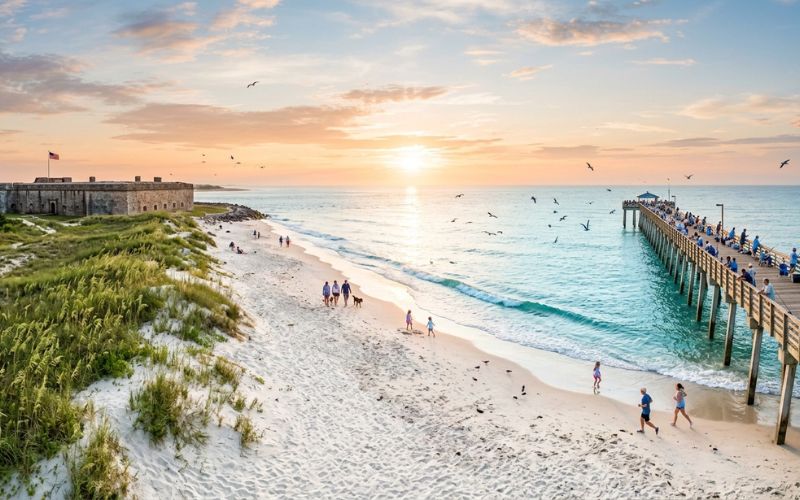
    Quick Answer: Looking for the best things to do in Atlantic Beach, NC? This coastal town offers clean sandy shores, Civil War history, and fresh coastal seafood. Top highlights include exploring Fort Macon State Park, fishing off Oceanana Pier, seeing sharks at the NC Aquarium, and riding a ferry to spot wild horses at Cape Lookout.

    Quick List — Top Highlights

    ActivityBest ForTime NeededCost
    Fort Macon State ParkHistory buffs and walkers2–3 hoursFree
    Atlantic Beach ShorelineSunbathing and swimmingHalf to full dayFree
    Oceanana PierFishing and walk passes1–2 hoursPaid walk pass
    NC Aquarium at Pine Knoll ShoresRainy days2–3 hoursPaid
    Cape Lookout FerryDay trips and lighthouse views4–6 hoursPaid ferry
    Shackleford BanksSpotting wild horses3–4 hoursPaid ferry
    Historic BeaufortShopping and dining3–5 hoursFree to explore
    Paddleboarding Bogue SoundActive water sports1–2 hoursPaid rental

    Atlantic Beach at a Glance

    Atlantic Beach sits on Bogue Banks, a barrier island along North Carolina’s Crystal Coast. It connects directly to Morehead City by a causeway bridge.

    Unlike the commercial Outer Banks, the Crystal Coast features south-facing beaches with calmer waves. The town has a small permanent population. Coastal regional transit is simple. You can fly into Coastal Carolina Regional Airport (EWN) in New Bern, which sits 40 miles north. The drive takes about 50 minutes by car.

    • Best For: Travelers who want quiet beaches and historic sites.
    • Ideal Stay: 3 to 5 days.
    • Best Weather: May through October. Late spring and early fall offer warm sun with smaller crowds.
    • Why Visit: Clean beaches and rich history without heavy resort traffic.

    Interactive Trip Planner

    Use this guide to prioritize your itinerary. Priority levels help you group your activities:

    • Must-Do: Core sights you should not miss on your first visit.
    • Nice-to-Have: Great options if you have extra time or specific interests.
    • Optional: Flexible stops to add only if your schedule permits.
    AttractionPriority LevelCrowd LevelBest TimeBooking Needed?
    Fort Macon State ParkMust-DoMediumEarly morningNo
    Relaxing on Main BeachMust-DoHigh (Summer)MorningNo
    NC AquariumMust-DoHigh on rainy daysMorningsRecommended
    Cape Lookout & Wild HorsesMust-DoMediumFull day tripRecommended in peak season
    Oceanana Pier WalkNice-to-HaveLow to MediumGolden hourNo
    Historic Beaufort Day TripNice-to-HaveMediumAfternoonNo
    Bogue Sound KayakingOptionalLowHigh tideNo
    Interactive Trip Planner

    The 25 Best Things to Do in Atlantic Beach NC

    1. Relax on Atlantic Beach

    Atlantic Beach offers wide stretches of soft sand and gentle ocean waves. It is ideal for swimming, sunbathing, and building sandcastles. Public bathhouses and foot showers sit near main access points.

    • Quick Details: Free access | 2–6 hours | Lifeguards on duty in summer.
    • Accessibility: Paved ramps lead to wooden boardwalks and beach mats at main points.

    2. Explore Fort Macon State Park

    Construction on Fort Macon began in 1826. This restored brick fort guarded Beaufort Harbor during the Civil War. Visitors can walk through old cannon rooms, bunkhouses, and outer walls overlooking Beaufort Inlet. Official park maps show trails that loop around salt marshes and sand dunes.

    • Quick Details: Free entry | 2–3 hours | Large free parking lot.
    • Tip: Join a guided ranger tour or weapon demonstration to hear stories about Civil War battles fought here.

    3. Walk Oceanana Pier

    Oceanana Pier is a long wooden pier extending into the ocean. It features an on-site pier house, bait shop, and full-service grill.

    • Quick Details: Small pass fee | 1–2 hours | Open daily.
    • Photo Tip: Walk out at golden hour during low tide for the best photo views of the coast.

    4. Visit the NC Aquarium at Pine Knoll Shores

    Located about 10 minutes away, this state aquarium features sea turtles, river otters, and a large ocean tank built around a sunken shipwreck. You can explore hands-on touch tanks filled with stingrays.

    • Quick Details: Paid admission | 2–3 hours | Great indoor option.
    • Tip: Reserve entry time slots online at the official NC Aquarium website.

    5. Take a Ferry to Cape Lookout National Seashore

    Visit three undeveloped barrier islands anchored by an iconic black-and-white diamond pattern lighthouse. Managed by the National Park Service, Cape Lookout offers miles of quiet sand.

    • Quick Details: Ferry ticket required | 4–6 hours | Remote beaches.
    • Accessibility: Passenger ferries accommodate wheelchairs, but island sand trails are unpaved.

    6. See the Wild Horses on Shackleford Banks

    Catch a ferry from nearby towns like Beaufort or Harkers Island to watch wild Spanish horses graze among coastal dunes. They are descendants of horses that survived shipwrecks over 400 years ago.

    • Quick Details: Ferry ticket required | 3–4 hours | Unspoiled island nature.
    • Safety Tip: Keep a safe distance from horses for your safety and theirs.

    7. Go Dolphin Watching

    Join a guided boat tour out of Morehead City or Beaufort to spot wild bottlenose dolphin pods. Local captains share facts about marine life while navigating local channels.

    • Quick Details: Paid tour | 1.5–2 hours | Family favorite.

    8. Book a Sunset Cruise

    Relax on Bogue Sound as the sun drops over the calm water. Local boat charters offer smooth evening tours with music and coastal sightseeing.

    • Quick Details: Paid tour | 1.5–2 hours | Scenic water views.

    9. Charter a Fishing Trip

    Book a licensed boat captain for deep-sea chartering or calm sound fishing. You can reel in flounder, king mackerel, red drum, and sea trout.

    • Quick Details: Paid charter | Half or full day | Gear and license included.

    10. Try Paddleboarding or Kayaking

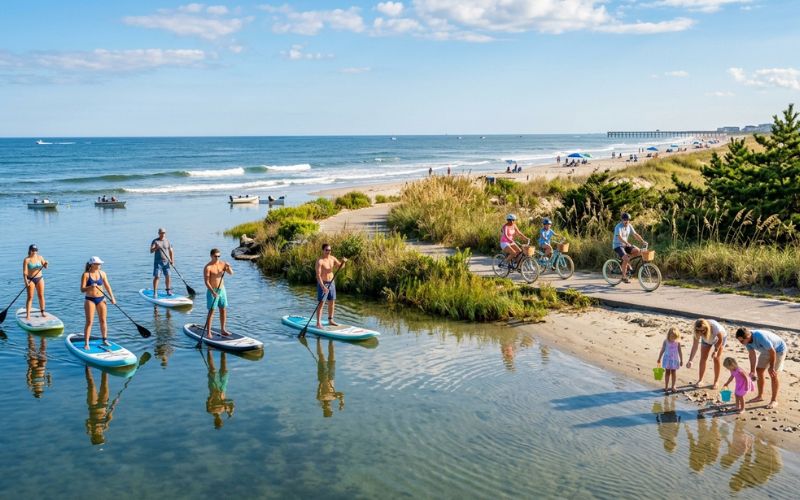
    Rent a board or kayak to explore the quiet salt marsh creeks of Bogue Sound. During our May trip, paddling through the marsh grass offered close views of blue herons and leaping mullet.

    • Quick Details: Hourly rental fee | 1–3 hours | Low-impact water workout.

    11. Rent Bikes Along the Coast

    Atlantic Beach features flat paved paths and quiet side streets. Renting a beach cruiser makes getting around simple without worrying about car traffic.

    • Quick Details: Daily rental fee | Paved paths | Rentals available locally.

    12. Go Shelling

    Ocean currents along Bogue Banks wash up olive shells, sand dollars, giant whelks, and sea glass.

    • Quick Details: Free | 1–2 hours | Outdoors.
    • Tip: Look for shells one hour after high tide for newly washed-up finds.

    13. Watch Sunrise Over the Atlantic

    Because Bogue Banks faces south, you can catch stunning morning sunrises right over the ocean waves.

    • Quick Details: Free | 30–45 minutes | Peaceful morning beaches.

    14. Watch Sunset Along Bogue Sound

    Head to the sound side of the island for clear views of the evening sun dipping into calm water.

    • Quick Details: Free | 1 hour | Public soundside parks.

    15. Visit The Circle

    The Circle is the main downtown beach hub of Atlantic Beach. It features public beach access, bathhouses, ice cream stands, and outdoor shops.

    • Quick Details: Free entry (paid summer parking) | 2–4 hours | Central location.

    16. Play Beach Volleyball

    Public volleyball nets stand directly on the sand near main access points at The Circle.

    • Quick Details: Free | 1–2 hours | Bring your own volleyball.

    17. Surf Atlantic Beach

    Gentle to medium surf breaks make Atlantic Beach a great spot along the Crystal Coast to learn surfing.

    • Quick Details: Free access | Gear rentals available locally.
    • Tip: Sandbars near Oceanana Pier offer consistent wave shapes.

    18. Visit Historic Beaufort

    Located 10 minutes away across the causeway, North Carolina’s third-oldest town features oak-shaded streets and 18th-century homes. You can visit the NC Maritime Museum to see artifacts recovered from the shipwreck of Blackbeard’s flagship, the Queen Anne’s Revenge.

    • Quick Details: Free to walk | 3–5 hours | Historic maritime town.

    19. Explore Morehead City Waterfront

    Walk the commercial waterfront promenade across the causeway bridge to view charter docks and local fish markets.

    • Quick Details: Free to stroll | 2–3 hours | Dining and marina views.
    • Tip: Head to the docks around 4 PM to watch charter boats unload their daily catch.

    20. Visit Rachel Carson Reserve

    Located across the harbor from Beaufort, this protected reserve features island salt marshes, mudflats, and wild horses. You can cross the water by boat or kayak.

    • Quick Details: Free reserve access | 2–3 hours | Coastal nature preserve.

    21. Enjoy Local Seafood Restaurants

    Taste fresh daily catches cooked in classic coastal styles. Popular local menu items include steamed oysters, fried shrimp, broiled sea scallops, soft-shell crab, and she-crab soup. Great spots include Oceanana Pier House Grill in town and Amos Mosquito’s nearby in Morehead City.

    • Quick Details: Paid dining | Casual to upscale dining.

    22. Browse Local Shops

    Explore small boutiques along Fort Macon Road. You can find handcrafted coastal jewelry, works by local artists, flip-flops, and specialized surf gear.

    • Quick Details: Free to browse | 1–2 hours | Local boutiques.

    23. Play Mini Golf & Arcade Games

    Enjoy pirate-themed outdoor mini golf courses and arcade games right along the main boulevard.

    • Quick Details: Small fee per person | 1–2 hours | Evening fun.

    24. Attend Seasonal Festivals & Events

    Atlantic Beach and the surrounding Crystal Coast host community events all year long. Popular gatherings include local kite festivals, summer beach music concerts, and the nearby NC Seafood Festival.

    • Quick Details: Free entry for most outdoor events | Seasonal.

    25. Visit Scenic Photography Spots

    Capture coastal photo memories across the island. Great spots include Fort Macon’s brick archways, Oceanana Pier’s pilings, and the wide sands of Fort Macon Point overlooking Beaufort Inlet.

    • Quick Details: Free | 1–2 hours | Photography spots.
    • Rules Note: Drone flying requires a state permit inside state parks like Fort Macon.

    Best Activities by Traveler Type

    Instead of repeating attraction details, here is a quick ranking of top options based on travel style:

    • Best for Kids: NC Aquarium, Fort Macon brick trails, and pirate mini golf.
    • Best for Couples: Bogue Sound sunset cruises, historic Beaufort dining, and quiet beach walks.
    • Best for Solo Travelers: Coastal bike riding, salt marsh paddleboarding, and photography at Fort Macon Point.
    • Best for Adventure Seekers: Deep-sea charter fishing, surfing near Oceanana Pier, and offshore kayak trips.
    • Best for Budget Travelers: Free beach days, fort exploration, and shell collecting along the dunes.

    Top Free Experiences Under $20

    You do not need to spend a lot of money to enjoy your stay. Here are the top low-cost experiences available in town:

    1. Fort Macon State Park: Walk historical trails and tour the fort for free.
    2. Atlantic Beach Days: Enjoy wide sandy shores with free public bathhouse access.
    3. Oceanana Pier Walk Pass: Pay a small fee to stroll out over the waves.
    4. NC Maritime Museum: Tour pirate exhibits in nearby Beaufort with free admission (donations welcome).
    5. Self-Guided Nature Trails: Walk the nearby Theodore Roosevelt Nature Trail or Hoop Pole Creek Nature Trail for free.

    Rainy Day Things to Do

    When summer showers pop up, head indoors to these dry local attractions:

    • NC Aquarium at Pine Knoll Shores: View indoor sea turtle tanks and giant shark exhibits.
    • NC Maritime Museum (Beaufort): Discover pirate history and real wooden boat building.
    • Boutique Shopping: Browse surf shops and art galleries along Fort Macon Road.
    • Cozy Coastal Cafés: Relax with hot drinks and baked goods while waiting out the rain.

    Best Day Trips from Atlantic Beach

    Atlantic Beach serves as an excellent base for exploring the Crystal Coast region.

    DestinationTravel MethodTravel TimeHighlights
    Morehead CityCar5 minutesCommercial docks, seafood dining, art shops
    BeaufortCar10 minutesHistoric homes, pirate exhibits, boardwalk
    Emerald IsleCar20 minutesPaved bike paths, ocean parks, fishing pier
    Shackleford BanksCar + Ferry35 minutesWild Spanish horses, quiet beaches
    Cape LookoutCar + Ferry50 minutesDiamond pattern lighthouse, remote sand
    Harkers IslandCar40 minutesCore Sound Waterfowl Museum, island heritage

    Sample 1-Day, 2-Day & 3-Day Itineraries

    1-Day Highlights Itinerary

    • 8:30 AM: Grab breakfast near The Circle.
    • 9:30 AM: Explore Fort Macon State Park. (Drive: 5 mins)
    • 12:30 PM: Eat fresh seafood along the Morehead City waterfront. (Drive: 10 mins)
    • 2:00 PM: Relax and swim at Atlantic Beach main access. (Drive: 10 mins)
    • 6:00 PM: Walk Oceanana Pier for golden hour views. (Drive: 5 mins)
    • 7:30 PM: Dine at a local catch-of-the-day restaurant.

    2-Day Extended Itinerary

    • Day 1: Follow the 1-Day Itinerary above.
    • Day 2:
      • 9:00 AM: Visit the NC Aquarium at Pine Knoll Shores. (Drive: 10 mins)
      • 12:30 PM: Eat lunch and browse historic shops in Beaufort. (Drive: 15 mins)
      • 3:00 PM: Rent a paddleboard to explore calm Bogue Sound creeks. (Drive: 15 mins)
      • 6:30 PM: Enjoy a smooth sunset boat cruise on the sound.

    3-Day Complete Coastal Escape

    • Days 1 & 2: Follow the 2-Day Itinerary above.
    • Day 3:
      • 8:30 AM: Drive to Harkers Island and take the ferry to Cape Lookout or Shackleford Banks. (Drive + Ferry: 60 mins)
      • 2:30 PM: Return to Atlantic Beach to relax on the sand.
      • 5:30 PM: Play a round of pirate mini golf.
      • 7:00 PM: Eat dinner at a casual soundfront grill.

    Costs, Parking & Booking Guide

    AttractionParking SetupFee / TicketBooking Needed?
    Main Beach AccessPaid lot at The Circle in summerFree beach accessNo
    Fort Macon State ParkLarge free lotFree admissionNo
    Oceanana Pier WalkOn-site pier parking lotSmall pass feeNo
    NC AquariumFree lotPaid admissionYes (online entry time)
    Island FerriesFree lot at ferry terminalsPaid round tripYes (in peak summer)

    Official parking prices vary seasonally. Check official town resources before your arrival.

    Estimated Trip Budgets

    To help plan your trip, here are three estimated weekend budget examples for a family of four (2 adults, 2 kids for 3 days / 2 nights):

    • Budget Trip ($600 – $800): Stay in a budget motel or nearby campground. Enjoy free beach days, tour Fort Macon, cook simple meals, and use free public parking lots.
    • Mid-Range Trip ($1,200 – $1,600): Stay in a mid-tier oceanfront hotel. Visit the NC Aquarium, take a ferry to see wild horses, and eat out at local casual seafood grills.
    • Premium Trip ($2,500+): Rent a beachfront home. Book a private deep-sea fishing charter, take a sunset cruise, and enjoy upscale seafood dining every night.

    Best Time to Visit & Crowd Calendar

    SeasonCrowd LevelsAverage TempHotel RatesBest Highlights
    Spring (Mar–May)Moderate70°F (21°C)MediumNature trails, historic sightseeing, shelling
    Summer (Jun–Aug)High85°F (29°C)Peak ratesOcean swimming, water sports, night events
    Fall (Sep–Nov)Low to Medium72°F (22°C)Lower ratesWarm sea swimming, prime fishing, festivals
    Winter (Dec–Feb)Low55°F (13°C)Lowest ratesPeaceful beach walks, museum visits, quiet stay

    Safety, Weather & Rules

    • Rip Currents: Pay attention to safety flags posted at beach accesses. If caught in a rip current, stay calm, swim parallel to the shore until free, and then swim back to land.
    • Jellyfish & Heat: Sea nettles can appear in warm summer waters. Bring vinegar to soothe minor sting irritation. Stay hydrated under the summer sun.
    • Hurricane Season: Atlantic hurricane season runs from June 1 through November 30. Check weather updates during late summer trips.
    • Pet Rules: Dogs are allowed on Atlantic Beach, but must remain on a leash. Check local signs for seasonal rules.
    • Beach Etiquette: Keep off the protected sand dunes to preserve sea oats and prevent erosion.

    Insider Tips for Visiting

    • Arrive Early for Parking: Paid lots at The Circle fill up fast. Arrive before 10 AM on summer weekends to claim a parking spot.
    • Pack Beach Essentials: Bring water shoes for rocky inlet spots, reef-safe sunscreen, and bug spray for salt marsh trails.
    • Check Lifeguard Stations: Lifeguards patrol main access areas around The Circle during the summer season.

    Common Mistakes to Avoid

    • Waiting Too Late to Book Ferries: Summer ferry tickets to Cape Lookout often sell out days in advance.
    • Underestimating Summer Traffic: Causeway bridges connecting Morehead City and Atlantic Beach get congested on summer weekend afternoons.
    • Confusing Regional Names: Atlantic Beach is one town on Bogue Banks island. It sits within the broader Crystal Coast region.
    Common Mistakes to Avoid

    Atlantic Beach vs Nearby Coastal Towns

    TownBest ForCrowd LevelUnique Features
    Atlantic BeachFamilies and central staysHigh in summerCentral location, pier, historic fort
    Emerald IsleQuiet family vacationsModerateLong paved bike paths, green parks
    BeaufortHistory and fine diningModerateHistoric district, oak trees, marinas
    Morehead CityCharter fishing and docksModerateCommercial waterfront promenade
    Pine Knoll ShoresQuiet nature loversLowState aquarium, maritime forest trails

    Final Thoughts — Is Atlantic Beach Worth Visiting?

    Atlantic Beach is an ideal coastal destination for travelers seeking a classic beach trip. It blends relaxed beach living with rich American history and easy access to wild barrier islands.

    • Who Should Visit: Travelers who want clean beaches, historic sites, fishing, and low-stress coastal drives.
    • Ideal Trip Length: 3 to 5 days.
    • Top Three Must-Do Experiences:
      1. Tour Fort Macon State Park.
      2. Take an island ferry trip to see wild horses on Shackleford Banks.
      3. Walk Oceanana Pier at golden hour.

    Pack your bags and get ready to enjoy everything North Carolina’s Crystal Coast has to offer!

    Frequently Asked Questions

    What are the best things to do in Atlantic Beach NC with kids?

    Kids love visiting the NC Aquarium at Pine Knoll Shores, exploring Fort Macon State Park, playing mini golf, and building sandcastles at The Circle beach access.

    Is Atlantic Beach NC worth visiting?

    Yes. Atlantic Beach offers clean sandy shores, rich history, wild island sights, and fresh seafood without heavy high-rise development.

    How many days do you need in Atlantic Beach?

    A 3 to 5 day trip gives you enough time to enjoy beach days, explore Fort Macon, visit the aquarium, and take an island ferry day trip.

    What is Atlantic Beach known for?

    Atlantic Beach is famous for Fort Macon State Park, Oceanana Pier, its central location on Bogue Banks, and easy access to wild horses at Shackleford Banks.

    What is the best beach access point?

    The Circle is the most popular beach access point. It offers parking areas, bathhouses, foot showers, summer lifeguards, and nearby ice cream shops.

    Are there lifeguards on duty?

    Yes. Lifeguards patrol main beach access points around The Circle during the summer season.

    What can you do when it rains?

    On rainy days, visit the NC Aquarium, tour the NC Maritime Museum in Beaufort, browse local boutiques, or relax at a coastal café.

    Is Atlantic Beach better than Emerald Isle?

    Atlantic Beach offers quicker access to historic sites, piers, and Beaufort dining. Emerald Isle offers a quieter, residential feel with long bicycle paths.

    You May Be Interested In:
    Things to Do in Ashland, Oregon: 25 Best Attractions, Outdoor Adventures & Local Experiences
    Things to Do in Aiken SC: 25 Best Attractions, Parks & Local Experiences (2026 Guide)

    Disclaimer:
    This article is for informational and educational purposes only. We do our best to keep the information accurate, but details may change over time. Some images may be AI-generated for illustration only. All trademarks, logos, images, and copyrights belong to their respective owners.

  • Things to Do in Ashland, Oregon: 25 Best Attractions, Outdoor Adventures & Local Experiences

    Things to Do in Ashland, Oregon: 25 Best Attractions, Outdoor Adventures & Local Experiences

    Ashland sits in a valley near the bottom of the Siskiyou Mountains, south of Medford and near the California border. If you are looking for fun things to do in Ashland, Oregon, the city is famous for live theater, pretty mountain views, and local food. Whether you visit for a weekend or a long vacation, this friendly town has lots to see.

    Quick Answer

    Ashland is a fun town in Southern Oregon famous for plays and outdoor fun.

    • Best Choice for First-Time Visitors: Oregon Shakespeare Festival
    • Best Free Activity: Walking through Lithia Park
    • Best Family Activity: ScienceWorks Hands-On Museum
    • Best Outdoor Adventure: Skiing or hiking on Mount Ashland
    • Best Day Trip: Crater Lake National Park

    Quick Summary: Plan to stay two or three days in Ashland. This gives you enough time to enjoy great theater downtown and walk on nearby mountain trails.

    At a Glance: Is Ashland Worth Visiting?

    Yes, Ashland is a great place to visit if you like art, nature, and good food. It is easy to walk around town and has great things to see.

    • Best For: Couples, families, art lovers, and people who like the outdoors.
    • Best Trip Length: 2 to 3 days.
    • Daily Cost: Depends on what you spend on food, hotels, and play tickets.
    • Walking Around: Easy in the downtown area; you will need a car to visit places further away.
    • Best Seasons: Summer for plays and outdoor fun; Fall for colorful leaves and fruit harvests.
    • Good for Kids? Yes. ScienceWorks and city parks are great for kids.
    • Good for Couples? Very romantic, with wine tasting, quiet inns, and nice dinners.
    • Good for Pets? Yes. Many hotels and outdoor restaurants welcome dogs.
    • Wheelchair Access: Paved paths run through the downtown Plaza and lower Lithia Park.
    CategoryRatingDetails
    Arts & Culture5 / 5Live theater plays and local art shops
    Outdoor Activities4.5 / 5Hiking, skiing, and river trips nearby
    Food Scene4 / 5Fresh local food and local grape wines
    Family Friendly4 / 5Fun science museum and easy park trails
    Budget Friendly3.5 / 5Free parks, though play tickets cost money
    Overall4.5 / 5A top place to visit in Southern Oregon

    Top 10 Best Things to Do in Ashland, Oregon

    RankAttractionCategoryBest ForHighlights
    1Oregon Shakespeare FestivalArts & CultureTheater LoversPlays at an outdoor stage
    2Lithia ParkParks & NatureAll Visitors93 acres of trees next to a creek
    3Ashland PlazaShopping & DiningWalkers & ShoppersHistoric town center with local shops
    4ScienceWorks MuseumFamily & ScienceFamilies with KidsHands-on indoor and outdoor fun
    5Schneider Museum of ArtArts & CultureArt FansModern art on the college campus
    6Rogue Valley Wine TastingFood & WineAdultsPretty vineyards and tasting rooms
    7Mount AshlandOutdoor AdventureSkiers & HikersSki slopes and high mountain trails
    8Emigrant LakeParks & NatureWater SportsSwimming, boating, and camping
    9North Mountain ParkParks & NatureBird WatchersNature center and wetland paths
    10Crater Lake Day TripDay TripSightseersDeep blue lake inside an old volcano

    25 Best Things to Do in Ashland, Oregon

    Arts & Cultural Places

    1. Oregon Shakespeare Festival (OSF): OSF is a famous theater group that started in 1935. Actors perform old classic plays and new stories on stage.
    2. Schneider Museum of Art: Located on the college campus, this modern art museum shows changing artwork from different artists.
    3. Oregon Cabaret Theatre: Watch live music shows and funny plays while eating dinner inside a rebuilt old church.
    4. Historic Ashland Armory: This old downtown building holds music concerts, community events, and dances.
    5. Downtown Art Shops: Walk through local shops filled with paintings, blown glass, and crafts made by local artists.

    Parks & Nature

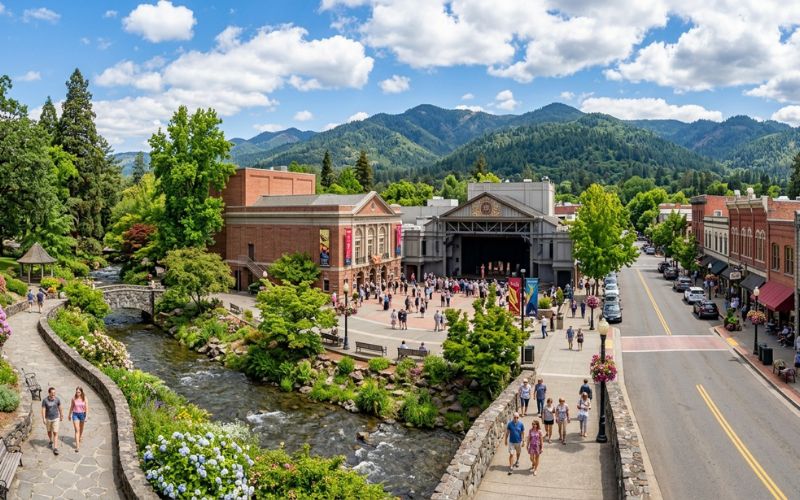
    1. Lithia Park: A big 93-acre park next to Bear Creek with pretty walking paths right next to the town center.
    2. North Mountain Park: A quiet nature park with plant gardens, restored ponds, and a helpful learning center.
    3. Emigrant Lake: A park five miles south of town that is great for swimming, fishing, and paddling boats.
    4. Bear Creek Greenway: A flat, paved path connecting Ashland to nearby towns for walking and bike riding.
    5. The Japanese Garden in Lithia Park: A peaceful spot inside Lithia Park with bamboo plants, stone lights, and quiet places to sit.

    Outdoor Adventures

    1. Mount Ashland: Offers downhill skiing in the winter, plus mountain biking and hiking in the summer.
    2. Hiking Local Trails: Paths near town lead into pine forests and offer great views across the valley.
    3. Pacific Crest Trail (PCT): A famous hiking trail that crosses near Mount Ashland. You can walk a small part of it for fun.
    4. Mountain Biking: Ashland is famous for long bike trails that go down the mountain into the valley.
    5. Kayaking & Paddleboarding: Calm lake waters make it easy to paddle small boats.

    Food & Drink Experiences

    1. Wine Tasting: The nearby valleys grow lots of grapes to make wine. You can visit local farms to taste them.
    2. Local Beer Breweries: Try locally made drinks and eat pub food in big dining rooms downtown.
    3. Ashland Farmers Market: Buy fresh berries, vegetables, flowers, and handmade crafts right from local farmers.
    4. Local Coffee Shops: Local cafes serve warm coffee drinks and fresh baked treats.
    5. Handmade Chocolate Shops: Visit small chocolate shops to try handmade sweet treats and chocolate bars.

    Hidden Gems

    1. Mountain Avenue Viewpoints: Drive up the hill for wide views over the whole town and valley.
    2. Railroad District Walking: Walk around old train buildings that now hold craft shops, bakeries, and cafes.
    3. Local Bookstores: Browse through books about local history, new stories, and play scripts at friendly book shops.
    4. Outdoor Music Concerts: Watch free summer music shows in Lithia Park at the outdoor stage.
    5. Lithia Water Fountain: Taste the famous natural spring water from the fountain in the town square. It tastes salty because of natural minerals!
    25 Best Things to Do in Ashland, Oregon

    What Is Ashland, Oregon Known For?

    Ashland is famous for its art, historic parks, and pretty valley location. Main highlights include:

    • Oregon Shakespeare Festival: A famous theater group that has been putting on plays since 1935.
    • Lithia Park: A big, historic 93-acre park with a running creek.
    • Lithia Mineral Water: Natural spring water pumped to public fountains in the town square.
    • Rogue Valley Wine Country: A popular area for growing grapes and making wine.
    • Southern Oregon University: A local college that gives the town a fun, young feeling.

    Things to Do by Season

    Summer

    Summer is the busiest time for tourists. Days are warm and sunny, making it great for outdoor plays, swimming in lakes, and outdoor music shows.

    Fall

    Fall brings cool air and bright red leaves in Lithia Park. Local farms pick their grapes, making it a great time to visit countryside farms.

    Winter

    Winter brings snow to Mount Ashland for skiing and snowboarding. Downtown stays quiet with holiday lights, warm coffee shops, and indoor theater plays.

    Spring

    Spring brings blooming flowers and green hills. It is a quiet time to walk on lower paths before summer crowds arrive.

    SeasonBest ActivitiesCrowdsWeather
    SummerOutdoor plays, swimming, hikingBusyWarm & sunny
    FallLeaf walking, fruit harvestsMediumCrisp & pleasant
    WinterSkiing, indoor plays, museumsQuietCool with snow on mountains
    SpringFlower hikes, garden walksMediumMild with light rain

    Things to Do by Interest

    • For Couples: Buy night play tickets, taste local wines at a vineyard, and walk through Lithia Park.
    • For Families: Explore ScienceWorks Museum, play at the park playground, and swim at Emigrant Lake.
    • For Outdoor Lovers: Hike Grizzly Peak, ride mountain bikes down Mount Ashland, and paddle boats on the lake.
    • For Food Lovers: Eat local food at downtown cafes, try local drinks, and buy fresh pastries.
    • For People Saving Money: Walk through free parks, listen to free summer music shows, and visit the weekend farmers market.
    • For Rainy Days: Look at art at the college museum, read books at local shops, and eat at cozy restaurants.
    • For Photographers: Take pictures of morning light in the park, sunset views from the hills, and the Japanese Garden.

    Best Hikes Near Ashland, Oregon

    Ashland sits right next to the mountains, with walking paths just minutes from downtown.

    Trail NameHow Hard Is It?Dogs Allowed?Best Season
    Lithia Park LoopEasyYes (on a leash)All year
    Acid Castle RocksMediumYes (on a leash)Spring & Fall
    Grizzly PeakMediumYes (on a leash)Late Spring to Fall
    Mount Ashland SummitHardYes (on a leash)Summer & Fall

    Best Day Trips from Ashland

    DestinationDrive TimeTime NeededBest SeasonMain Attraction
    Crater Lake National ParkUnder 2 hoursFull DaySummer / FallDeep blue lake in an old volcano
    JacksonvilleShort driveHalf DayAll yearOld 1850s gold-mining town
    Rogue RiverShort driveFull DaySummerRiver raft trips and water fun
    Applegate ValleyShort driveHalf or Full DaySummer / FallPretty farms and lavender fields
    Lava Beds Monument2.5 to 3 hoursFull DaySpring / FallDark underground lava caves

    Simple Trip Plans

    If You Only Have 4 Hours

    • Hour 1: Park downtown and walk into Lithia Park to see the Japanese Garden.
    • Hour 2: Walk back to the main town square for lunch at a local cafe.
    • Hour 3: Taste the mineral spring water from the fountain and take photos near the big theater.
    • Hour 4: Get a drink or sweet treat at a bakery before leaving.

    One-Day Trip Plan

    • Morning (8:30 AM – 11:30 AM): Eat breakfast downtown and walk through Lithia Park.
    • Lunch (12:00 PM – 1:30 PM): Eat lunch at a restaurant next to the creek.
    • Afternoon (1:30 PM – 5:00 PM): Visit local shops, look at art at the museum, or visit a nearby farm.
    • Evening (5:30 PM – 10:30 PM): Eat dinner downtown and watch a live play.

    Two-Day Trip Plan

    • Day One: Town & Art Highlights
      • Morning: Eat breakfast downtown, then explore Lithia Park and the Japanese Garden.
      • Afternoon: Look at art shops and visit a local grape vineyard.
      • Evening: Eat a nice dinner and watch an evening play.
    • Day Two: Outdoor Fun & Local Sights
      • Morning: Hike up Acid Castle Rocks or Grizzly Peak for high views.
      • Afternoon: Go to Emigrant Lake for water fun and visit a local brewery for food.
      • Evening: Watch a music show and eat dinner at the Cabaret Theatre.

    Where to Stay in Ashland

    Hotel NameLocationBest For
    Ashland Springs HotelDowntown PlazaWalking to shops & old historic style
    Chanticleer Inn B&BNear Lithia ParkCouples & quiet stays
    Ashland Hills Hotel & SuitesNear Interstate HighwayFamilies & road trips
    Winchester InnDowntown AreaFancy stays & great dinners

    Best Places to Eat & Drink

    • Breakfast: Morning Glory or Brothers’ Restaurant.
    • Lunch: Greenleaf Restaurant or Oberon’s Tavern.
    • Dinner: Larks Home Kitchen Cuisine or Alchemy Restaurant.
    • Drinks: Brickroom or Caldera Brewing Company.
    • Coffee & Sweets: Noble Coffee Roasting or Mix Bakeshop.

    Useful Travel Tips

    • Parking: Street parking in the main square has time limits. Use the public garage building for long visits.
    • Airport: The Medford Airport is a short drive north of town.
    • Driving: The main interstate highway (I-5) goes right past Ashland.
    • Summer Smoke: Summer wildfires can bring smoke. Check weather reports online before hiking.
    • Pets: Dogs are not allowed in the middle of Lithia Park, but leashed dogs are welcome on town sidewalks and outdoor restaurant patios.
    • Booking Ahead: Buy play tickets and book hotel rooms early if visiting in the summer.

    Common First-Time Visitor Mistakes

    1. Only Seeing Plays: Skipping Lithia Park or local farms means missing out on great nature.
    2. Not Checking Smoke: Forgetting to check summer air quality before planning long outdoor hikes.
    3. Waiting to Buy Tickets: Waiting until you arrive often means popular theater shows are sold out.
    4. Forgetting Snow on Mountains: Snow can block high mountain roads even in early summer.
    Common First-Time Visitor Mistakes

    Simple Travel Budgets

    • Low Cost: Stay in cheap hotels, eat casual food, enjoy free parks, and do self-guided walking tours.
    • Medium Cost: Stay in small local inns, try local restaurants, buy play tickets, and go wine tasting.
    • High Cost: Stay in high-end historic hotels, eat at fancy restaurants, and buy top theater seats.

    First-Time Visitors vs. Returning Visitors

    PriorityFirst-Time VisitorReturning Visitor
    Main AttractionOregon Shakespeare Festival playsNew day trips & new mountain hikes
    Park WalksMain Lithia Park & Japanese GardenHigher mountain trails & North Mountain Park
    Eating OutMain square cafes & downtown spotsNeighborhood bakeries & rural farm spots
    HotelsHistoric downtown hotelsQuiet neighborhood bed & breakfast inns

    Decision Helper — What Should You Do?

                           [What do you want to do most?]
                                         |
            +----------------------------+----------------------------+
            |                            |                            |
      [Arts & Theater]           [Outdoor Recreation]          [Family Vacation]
            |                            |                            |
      Watch a live play            Hike Grizzly Peak            Visit ScienceWorks
      at the theater               or Mount Ashland             Hands-On Museum
            |                            |                            |
      Browse downtown              Ride mountain bikes          Swim at Emigrant
      art shops                    down the mountain            Lake park
            |                            |                            |
      Eat dinner at a              Try craft drinks             Play on playgrounds
      nice restaurant              at a local brewery           in Lithia Park
    

    Final Thoughts

    Ashland, Oregon, is a wonderful town to visit. It combines great theater with fun outdoor mountain activities.

    • Top Three Things to Do: Watch a live play, walk through Lithia Park, and visit local farms.
    • Best Time to Visit: Summer for outdoor plays, or Fall for bright leaves and fresh harvests.
    • Best Trip Length: 2 to 3 days.
    • Who Will Love It: Theater fans, nature lovers, couples on a trip, and families looking for a fun getaway.

    Frequently Asked Questions

    What is Ashland, Oregon famous for?

    Ashland is famous for the Oregon Shakespeare Festival, historic Lithia Park, natural mineral water, and local grape vineyards.

    Is Ashland worth visiting?

    Yes! Ashland offers a great mix of live theater, local food, and outdoor hiking trails in a friendly town.

    How many days should I stay?

    Two to three days gives you enough time to see a play, walk through parks, visit local farms, and hike trails.

    What are the best free things to do?

    Walking in Lithia Park, visiting North Mountain Park, and looking at art in local shops are all free.

    What are the best things for families to do?

    ScienceWorks Hands-On Museum, playgrounds in Lithia Park, and swimming at Emigrant Lake are top picks for kids.

    Is it easy to walk around Ashland?

    Yes. The main downtown square and Lithia Park are very easy to walk around. However, you will need a car to reach mountain trails, lakes, and farms outside of town.

    When is the best time to visit?

    Summer is best for outdoor plays and swimming. Fall offers bright red leaf colors, nice weather, and farm harvests.

    Is the Shakespeare Festival worth seeing?

    Yes! It features professional actors performing inside amazing indoor and outdoor theaters.

    Can you visit Crater Lake from Ashland?

    Yes. Crater Lake National Park is less than a two-hour drive away in summer and early fall, making it a great day trip.

    What should I not miss?

    Do not miss watching a live play and taking a walk along the creek in Lithia Park.

    Is Ashland expensive?

    Ashland has choices for all budgets. Free parks and cheap bakeries help balance out the cost of play tickets and nice dinners.

    What can I do in winter?

    You can ski at Mount Ashland, watch indoor theater shows, visit art museums, and enjoy cozy downtown coffee shops.

    Where should I stay?

    Stay near the town square to walk to plays, or pick a bed and breakfast near Lithia Park for a quiet stay.

    Are there good vineyards nearby?

    Yes. The surrounding valleys have many pretty grape farms and wine-tasting rooms.

    Are dogs welcome in Ashland?

    Yes. Many hotels welcome dogs, and leashed pets are allowed on sidewalks and at outdoor restaurant tables.

    You May Be Interested In:
    Things to Do in Aiken SC: 25 Best Attractions, Parks & Local Experiences (2026 Guide)
    Things to Do Hilton Head (2026 Guide): Best Attractions Ranked by Value, Budget & Traveler Type

    Disclaimer:
    This article is for informational and educational purposes only. We do our best to keep the information accurate, but details may change over time. Some images may be AI-generated for illustration only. All copyrights, trademarks, and brand names belong to their respective owners. Always verify important travel details with official sources before your trip.

  • Things to Do in Aiken SC: 25 Best Attractions, Parks & Local Experiences (2026 Guide)

    Things to Do in Aiken SC: 25 Best Attractions, Parks & Local Experiences (2026 Guide)

    Looking for the best things to do in aiken sc? Aiken offers historic charm, horse culture, and quiet outdoor escapes near the Georgia border.

    Quick Answer: The top things to do in Aiken SC include visiting Hopelands Gardens, hiking Hitchcock Woods, dining in The Alley, and watching live polo in the Horse District.

    At a Glance

    CategoryDetails
    StateSouth Carolina
    Known ForHorses, public gardens, historic homes, oak trees
    Best Time to VisitSpring & Fall
    Ideal Visit Length1–2 Days
    Family FriendlyVery accessible for all ages
    Free AttractionsGardens, Woods, Museums
    Walkable DowntownYes, highly walkable
    Nearby CityAbout 20 miles west/southwest

    What Is Aiken, SC Known For?

    Aiken became famous in the late 1800s as a Winter Colony for wealthy Northern families. Today, it is known as the Horse Capital of South Carolina, where thoroughbreds train on unpaved sand roads. It is also called the “City of Trees” for its live oak canopies.

    Best Things to Do in Aiken SC (Top Picks)

    • Hopelands Gardens: A 14-acre public garden open 10 a.m. to sunset with brick paths, reflection ponds, and oak trees. (1–2 hours | Free | Best for couples & nature lovers)
    • Hitchcock Woods: Over 2,100 acres of longleaf pine forest with over 60 miles of sandy pedestrian and equestrian trails. (2–3 hours | Free | Best for hikers)
    • Downtown Aiken & The Alley: Wide avenues with local shops and a pedestrian passage filled with outdoor dining. (2–3 hours | Free | Best for foodies)
    • Aiken Thoroughbred Racing Hall of Fame: Celebrates champion racehorses trained in Aiken. (45 mins | Small fee | Best for history fans)
    • Aiken County Historical Museum: Housed in “Banksia,” an 1890s Winter Colony mansion. (1–1.5 hours | Small fee | Best for families)
    • Aiken Center for the Arts: Downtown gallery featuring regional paintings, pottery, and handcrafted items. (30–45 mins | Free gallery viewing; classes/events paid | Best for art lovers)
    • USC Aiken Planetarium: Immersive astronomy shows under a dome at USC Aiken. (1 hour | About $3–$5 | Best for kids & teens)
    • Savannah River Site Museum: Explores 1950s nuclear history and Cold War impacts. (1 hour | Free, limited hours | Best for education)
    • Langley Pond Park: Features a swimming beach and boat ramps. (2–4 hours | Free | Best for swimmers)
    • Citizens Park: Main recreational hub with sports fields, paved walking paths, and a large playground. (1–2 hours | Free | Best for young kids)
    • Aiken State Park: Offers fishing lakes, camping, and a canoe trail on the Edisto River. (Half day | $3 adults | Best for kayakers)
    • Boyd Pond Park: Large county park with bike trails, fishing piers, and a playground. (2–3 hours | Free | Best for bikers)
    • Rye Patch: Historic estate adjacent to Hopelands Gardens featuring wide lawns and cottages. (30–45 mins | Free | Best for walks)
    • Carolina Bay Nature Preserve: A wetland preserve with a wooden boardwalk for birdwatching. (45 mins | Free | Best for nature lovers)
    • Local Golf Courses: Play historic fairways at the Aiken Golf Club or Cedar Creek. (4 hours | $35–$75 | Best for golfers)
    • Horse District Driving Tour: Scenic drive along dirt streets lined with historic stables and pastures. (1 hour | Free | Best for sightseers)
    • Historic Churches & Architecture: Visit 19th-century landmarks like St. Thaddeus Episcopal Church. (45 mins | Free | Best for architecture)
    • Downtown Shopping: Browse stores along Laurens Street like Plum Pudding and Cyndi’s Sweet Shoppe. (1–2 hours | Varies | Best for shoppers)
    • Local Coffee Shops: Grab fresh roasts and pastries at Foxhound Coffee Co. or La Parisienne. (30 mins | $3–$8 | Best for mornings)
    • Farmers Market: One of the oldest continuously operating farmers markets in South Carolina, selling fresh produce and crafts. (1 hour | Free | Best for early risers)
    • Seasonal Horse Shows: Watch hunter-jumper, dressage, and steeplechase events at Highfields Event Center. (2–3 hours | Free–$20 | Best for spectators)
    • Polo Matches: Watch live polo at Whitney Field, one of the oldest polo fields in continuous use in the US. (2–3 hours | $10 per person, options for paid parking | Best for groups)
    • Battle of Aiken: Civil War re-enactment with cannons and living history encampments, held when scheduled in February. (2–4 hours | Best for history buffs)
    • First Friday Downtown: Monthly festival (typically May–October) with street music, food trucks, and late shop hours. (2 hours | Free | Best for families)
    • Local Food Experiences: Taste regional dishes like shrimp and grits, pulled pork, and farm-to-table meals. (1–2 hours | $15–$40 | Best for diners)

    Free Things to Do in Aiken SC

    Enjoy top gardens, pine forests, historic museums, and markets without spending money:

    • Walk through Hopelands Gardens and Hitchcock Woods.
    • Tour the Savannah River Site Museum (check seasonal hours).
    • Browse the Aiken County Farmers Market and enjoy First Friday street music.
    Free Things to Do in Aiken SC

    Things to Do in Aiken SC With Kids

    • USC Aiken Planetarium: Dome theater space shows.
    • Citizens Park Playground: Modern climbing equipment and swings.
    • Langley Pond Park Beach: Swimming area and sand play.
    • Aiken County Historical Museum: Historic wooden schoolhouse on site.

    Romantic Things to Do in Aiken SC

    • Sunset Walk on South Boundary Avenue: Stroll under a live oak canopy.
    • Dinner at The Alley Downtown: Outdoor dining at Malia’s or The Alley Taproom.
    • Wine Tasting near Town: Enjoy local wine tasting near town.
    • Picnic at Rye Patch: Relax on estate lawns.

    Best Equestrian Experiences in Aiken

    • Watch Sunday Polo: Live matches at Whitney Field in spring and fall.
    • Drive the Historic Horse District: Dirt roads where horses have the right-of-way.
    • Attend the Aiken Triple Crown: A series of spring events featuring racing, steeplechase, and polo.
    • Guided Trail Rides: Book horseback tours through Hitchcock Woods.

    Outdoor Activities & Nature Guide

    • Hiking: Hitchcock Woods and Carolina Bay Nature Preserve boardwalk.
    • Paddlesports: Canoe the Edisto River at Aiken State Park or kayak Langley Pond.
    • Cycling & Fishing: Bike or fish at Boyd Pond Park.

    Best Museums, Arts & History

    Beyond Banksia and the Racing Hall of Fame, visit the Aiken Center for the Arts on Laurens Street for regional exhibits, or view 1842 brickwork at St. Thaddeus Episcopal Church.

    Downtown Aiken Walking Route (Half-Day)

    1. Morning Coffee: Start on Laurens Street at Foxhound Coffee Co. or La Parisienne.
    2. Shopping: Stroll south to Plum Pudding and local boutiques.
    3. The Alley: Turn into The Alley for murals and outdoor seating.
    4. Historical Museum: Walk three blocks south to Banksia mansion.
    5. Lunch: Return to The Alley for food at Malia’s or The Tailgate Grill.
    6. Hopelands Gardens: Drive two minutes south to wrap up in the shaded gardens.

    Distance: ~1.5 miles total | Free street parking along Laurens Street.

    Quick Itineraries

    2 Hours

    Park on Laurens Street, stroll through The Alley, and drive down South Boundary Avenue.

    Half-Day

    Combine downtown shopping and lunch in The Alley with an afternoon at Hopelands Gardens.

    1 Day

    Add a morning hike in Hitchcock Woods and an afternoon drive through the Horse District.

    Weekend

    • Day 1: Downtown shopping, historical museum, Hopelands Gardens, and dinner in The Alley.
    • Day 2: Morning hike in Hitchcock Woods, followed by an afternoon polo match at Whitney Field or golf.

    Best Time to Visit Aiken SC

    • Spring (March–May): Temperatures typically range around 65°F–80°F. Peak season for blooming gardens and Triple Crown races.
    • Summer (June–August): Temperatures can reach 90°F+. Hot and humid; best for early mornings.
    • Fall (September–November): Temperatures typically range around 70°F–80°F. Pleasant weather and fall polo.
    • Winter (December–February): Temperatures typically average around 55°F–60°F. Mild weather and low hotel rates.

    Annual Events

    EventMonthAudience Focus
    Battle of AikenFebruary (when held)History lovers & families
    Aiken Triple CrownMarchHorse racing fans
    Spring Polo SeasonApril to JuneFamilies & sports fans
    First Friday DowntownMonthly (typically May–Oct)Nightlife & shoppers
    Fall Polo SeasonSept to NovOutdoor entertainment
    Christmas in HopelandsDecemberHoliday travelers

    Where to Stay in Aiken

    • Downtown: The Willcox (luxury) or Rose Hill Estate (historic inn).
    • Horse District: The Inn at Houndslake (golf and stable access).
    • Highway Corridors: Chain hotels along major roads like Whiskey Road.

    Where to Eat After Exploring

    • Southern: Malia’s or The Red Pepper.
    • Barbecue: Duke’s BBQ or Freeman’s BBQ.
    • Casual Patio: The Alley Taproom or Brewery 85.

    Easy Day Trips from Aiken

    • Augusta, GA (about 20 miles west/southwest): Augusta Canal and Riverwalk.
    • Redcliffe Plantation (15 miles south): Historic 1859 state historic site.
    • Columbia, SC (55 miles northeast): State capital and Riverbanks Zoo.
    • Congaree National Park (65 miles east): Ancient bottomland forest boardwalks.
    Easy Day Trips from Aiken

    Local Tips for First-Time Visitors

    • Free Parking: Free public street parking is available downtown.
    • Horse Etiquette: Horses always have the right-of-way on dirt roads in the Horse District. Yield and do not honk.
    • Footwear: Wear flat shoes for sandy roads and trails.
    • Pets: Dogs are welcome on leashes in Hitchcock Woods and on patios in The Alley.

    Is Aiken Worth Visiting?

    Yes. Aiken is ideal for couples, families, and horse lovers seeking a quiet, affordable destination with walkable streets and scenic nature preserves.

    Frequently Asked Questions

    What are the top things to do in Aiken SC?

    Visit Hopelands Gardens, hike Hitchcock Woods, dine in The Alley, and watch polo at Whitney Field.

    How many days should I spend in Aiken?

    One to two days is ideal to cover major gardens, downtown, and equestrian sites.

    What is Aiken famous for?

    It is known as the Horse Capital of South Carolina and a historic 19th-century Winter Colony.

    Is downtown Aiken walkable?

    Yes, downtown features paved sidewalks, shade trees, and easy crosswalks.

    When is the best time to visit?

    Spring and fall offer warm weather and active horse event schedules.

    Handpicked For You:
    Things to Do Hilton Head (2026 Guide): Best Attractions Ranked by Value, Budget & Traveler Type
    Things to Do in Hannibal, Missouri: 25 Best Attractions, Local Experiences & Trip Planning Guide

    Disclaimer:
    This article is for informational and educational purposes only. We aim to provide accurate and updated travel information, but details may change over time. Some images may be AI-generated for illustration. All trademarks, logos, images, and copyrights belong to their respective owners. Please verify important details with official sources before visiting.

  • Things to Do Hilton Head (2026 Guide): Best Attractions Ranked by Value, Budget & Traveler Type

    Things to Do Hilton Head (2026 Guide): Best Attractions Ranked by Value, Budget & Traveler Type

    Hilton Head Island is a popular beach town in South Carolina. It has 12 miles of public beaches, paved bike trails, and warm ocean waters. However, planning your trip can feel hard because resort activities can be costly. Luckily, many of the best outdoor activities are completely free.

    This guide helps you plan a great trip for your budget and travel style. We tested these spots first-hand and checked facts with local nature groups like Sea Turtle Patrol HHI and the Coastal Discovery Museum.

    Quick Answer — Best Things to Do Hilton Head

    Hilton Head is famous for clean beaches, bike paths, and nature spots.

    • Best Beach: Coligny Beach Park (free entry, splash pads, restrooms).
    • Best Family Spot: Coastal Discovery Museum.
    • Best Free Activity: Pinckney Island Wildlife Refuge.
    • Best Paid Tour: Guided dolphin boat tour.
    • Best Hidden Gem: Jarviss Creek Park boardwalk.
    • Best Sunset View: Sunset sailboat ride on Calibogue Sound.
    • Best Rainy-Day Activity: Escape Room Hilton Head.

    Quick Summary Table

    CategoryTop ChoiceAverage CostBest Time of Day
    BeachColigny Beach ParkFreeEarly morning or late afternoon
    NaturePinckney IslandFreeEarly morning
    TourDolphin Boat Cruise$35–$55 per personLate afternoon
    FamilyCoastal Discovery MuseumFree ($5 donation asked)Morning
    SunsetPrivate Sunset Sail$50–$85 per person1 hour before sunset

    Hilton Head at a Glance

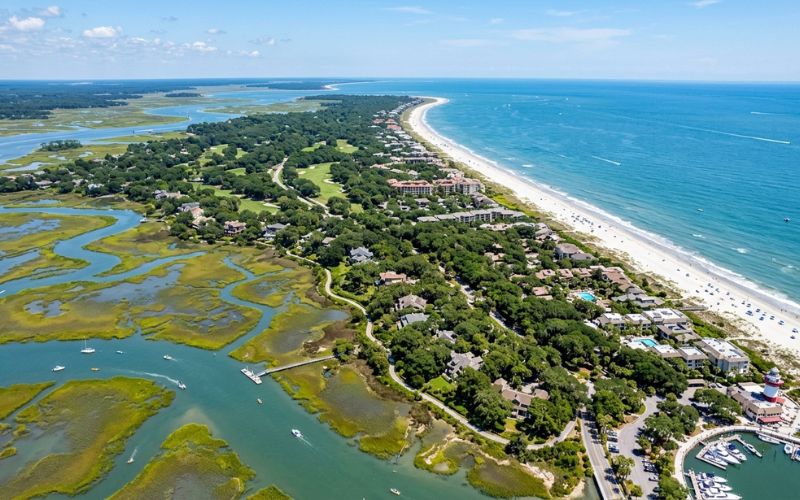
    Hilton Head is a barrier island in the South Carolina Lowcountry. The Lowcountry is a flat coastal region filled with salt marshes and large oak trees covered in Spanish moss. Strict rules ban bright neon signs, keeping the island green and quiet.

    FeatureDetails
    Best ForFamilies, couples, nature lovers, cyclists, golfers
    Average Trip Length4 to 7 days
    Best Months to VisitApril to May, September to October
    Daily Budget$150–$400+ per person
    Family RatingVery high (safe beaches, paved paths, fun parks)
    Couples RatingHigh (romantic food, quiet beaches, cozy spas)
    AccessibilityHigh (beach wheelchairs, flat paved trails)

    Best Spots by Traveler Type

    Traveler TypeTop ChoiceSecond Choice
    Families with KidsSandbox Children’s MuseumDolphin boat tour
    CouplesSunset sailboat rideNice dinner on Broad Creek
    Solo TravelersBike ride to Fish Haul BeachPinckney Island walk
    SeniorsCoastal Discovery MuseumHarbour Town stroll
    Repeat VisitorsDaufuskie Island day tripLocal Gullah history tour

    The 2026 Hilton Head Tier List (S-Tier to C-Tier)

    We ranked these top activities by ticket price, visitor ratings, and overall value.

    S-Tier (Must Do)

    • Coligny Beach Park: The main beach hub with free entry, changing rooms, and easy parking.
      • Score: 9.5/10 | Time: 2–5 hours | Cost: Free
      • Best For: Everyone | Skip If: You dislike crowds.
    • Pinckney Island Wildlife Refuge: A large nature reserve located between the mainland and the island.
      • Score: 9.5/10 | Time: 2–3 hours | Cost: Free
      • Best For: Walkers, nature lovers | Skip If: You cannot walk on dirt paths.

    A-Tier (Excellent)

    • Coastal Discovery Museum: A 68-acre park with boardwalks, ancient oak trees, and nature exhibits.
      • Score: 9/10 | Time: 2–3 hours | Cost: Free ($5 donation suggested)
      • Best For: Families, history fans | Skip If: You only want to swim in the ocean.
    • Harbour Town: A marina village with shops, food, yachts, and a famous red-and-white lighthouse.
      • Score: 8.5/10 | Time: 2–3 hours | Cost: $9 gate fee + $8 lighthouse ticket
      • Best For: Couples, shoppers | Skip If: You want to avoid paid gated areas.

    B-Tier (Good if You Have Extra Time)

    • Daufuskie Island Day Trip: A quiet island nearby that you can reach only by boat. It has dirt roads, local art shops, and historic spots.
      • Score: 7.5/10 | Time: Full day (6–8 hours) | Cost: ~$50 ferry + ~$100 golf cart rental
      • Best For: Explorers | Skip If: You are on a tight budget.

    C-Tier (Only for Specific Travelers)

    • Parasailing Rides: Ride high above the water while pulled by a motorboat.
      • Score: 6/10 | Time: 1.5 hours total | Cost: $85–$110 per person
      • Best For: Thrill-seekers | Skip If: You fear high places.
    The 2026 Hilton Head Tier List (S-Tier to C-Tier)

    Best Beaches in Hilton Head

    All public beaches on Hilton Head are open to everyone. Summer water temperatures reach 82–86°F, while winter water stays around 54–60°F.

    • Coligny Beach Park: Features outdoor showers, clean bathrooms, free Wi-Fi, splash pads, and rocking chairs.
      • Swimming: Excellent (lifeguards on duty in summer).
      • Parking: Free public lot across the street.
      • Access: Great (sand matting and beach wheelchairs).
    • Driessen Beach Park: A quiet park with a wooden boardwalk leading through sand dunes to the ocean.
      • Swimming: Excellent.
      • Parking: Paid meters ($1.00 per hour).
    • Folly Field Beach Park: A good beach for surfers and bodyboarders.
      • Swimming: Very good, but currents can be strong.
      • Parking: Paid meters.
    • Islanders Beach Park: A quiet beach park mostly used by locals and long-term guests.
      • Swimming: Excellent and peaceful.
      • Parking: Permit parking with limited meters.
    • Burkes Beach: Next to Chaplin Community Park, making it great for active sports.
      • Swimming: Good.
      • Parking: Paid meters at the park.
    • Alder Lane Beach Access: A calm beach entrance on the south end.
      • Swimming: Great, quiet water.
      • Parking: Limited metered spaces.
    • Fish Haul Beach Park: Sits on Port Royal Sound and is best for finding shells at low tide.
      • Swimming: Poor due to mud flats.
      • Parking: Free public lot.
    • Mitchelville Beach Park: A natural beach covered in driftwood and fallen trees.
      • Swimming: Not recommended due to muddy water and strong water flow.
      • Parking: Free gravel lot.

    Beach Comparison Table

    BeachSwimmingParkingRestroomsCrowd LevelSand Matting?
    Coligny BeachExcellentFree LotYesHighYes
    Driessen BeachExcellent$1/hrYesModerateYes
    Folly FieldGood$1/hrYesHighNo
    Islanders BeachExcellentPermit / MeterYesLowYes
    Burkes BeachGoodMeteredAt ParkModerateNo
    Alder LaneGood$1/hrBasicLowNo
    Fish Haul BeachPoorFreeYesVery LowNo
    Mitchelville BeachPoorFreeYesVery LowNo

    Best Outdoor Activities & Nature Experiences

    • Paved Bike Trails: Ride on 60+ miles of smooth, paved bike paths that connect the whole island safely.
    • Sea Pines Forest Preserve: Walk on boardwalks through 605 acres of protected woods to see lakes and an ancient Native American Shell Ring.
    • Pinckney Island Wildlife Refuge: Hike 4,000 acres of marshlands managed by the U.S. Fish & Wildlife Service to see wild birds and alligators.
    • Audubon Newhall Preserve: A quiet 50-acre forest on the south end with a boardwalk path around a freshwater pond.

    Best Water Activities Worth Paying For

    • Dolphin Eco-Tours: Take a small boat ride out on Calibogue Sound to watch wild Atlantic bottlenose dolphins play.
    • Kayaking & Paddleboarding: Paddle through calm salt marsh creeks to see blue herons up close.
    • Sunset Cruises: Relax on a sailboat or catamaran as the sun sets over the ocean.
    • Fishing Charters: Hire a local boat captain to take you fishing for redfish and sea trout.
    • Jet Ski & Boat Rentals: Rent a pontoon boat or jet ski to explore Broad Creek on your own.
    ActivityPrice RangeWorth-It ScoreReservation Needed?
    Dolphin Cruises$35–$559/10Yes (3–5 days ahead)
    Kayaking & SUP$40–$658.5/10Yes (2–3 days ahead)
    Sunset Cruises$45–$708.5/10Yes (1 week ahead)
    Fishing Charters$150–$250/hr8/10Yes (2 weeks ahead)
    Jet Ski Rentals$120–$160/hr7/10Yes
    Self-Drive Boats$250–$450/half-day7.5/10Yes (1 week ahead)

    Best Family Things to Do in Hilton Head

    • The Sandbox Children’s Museum: Hands-on indoor building areas, climbing structures, and play zones for young kids.
    • Coastal Discovery Museum: Touch live marine animals, hear alligator talks, and see butterfly gardens.
    • Lawton Stables: Enjoy pony rides for young kids and visit a free farm animal petting zoo inside Sea Pines.
    • Pirates of Hilton Head Cruise: A fun boat ride where kids dress like pirates, fire water cannons, and look for treasure.
    • Miniature Golf: Play fun mini golf courses with waterfalls at Pirate’s Island or Adventure Cove.
    • Local Ice Cream: Grab a sweet treat at Hilton Head Ice Cream or local shops around Harbour Town.

    Romantic Things to Do for Couples

    • Private Sunset Sail: Book a wind-powered sailboat tour out of Shelter Cove Marina.
    • Fine Waterfront Dining: Enjoy fresh local seafood like shrimp and grits or oyster roasts at CQ’s or Coast.
    • Wine Bars & Drinks: Enjoy quiet evening drinks at local spots like Alexander’s.
    • Couples Spa Treatments: Get a relaxing massage at resort spas like The Westin Hilton Head Island Resort.
    • Stargazing on the Beach: Walk along dark, quiet beaches at night to see stars over the water.

    Golf, Tennis & Pickleball

    • Harbour Town Golf Links: Plays host to the PGA Tour’s RBC Heritage tournament every spring. Green fees vary by season and peak rates can exceed $300–$400+.
    • Public Golf Courses: Palmetto Dunes offers classic oceanfront courses for casual golfers.
    • Beginner Golf: The Learning Center at Sea Pines offers short practice courses and lessons.
    • Tennis & Pickleball: Palmetto Dunes Tennis & Pickleball Center has 24 clay tennis courts and dedicated pickleball courts ($15–$30/hour).

    Explore Hilton Head’s History & Gullah Culture

    The Gullah people are African Americans who preserved their West African language, food, and culture while living on Lowcountry islands.

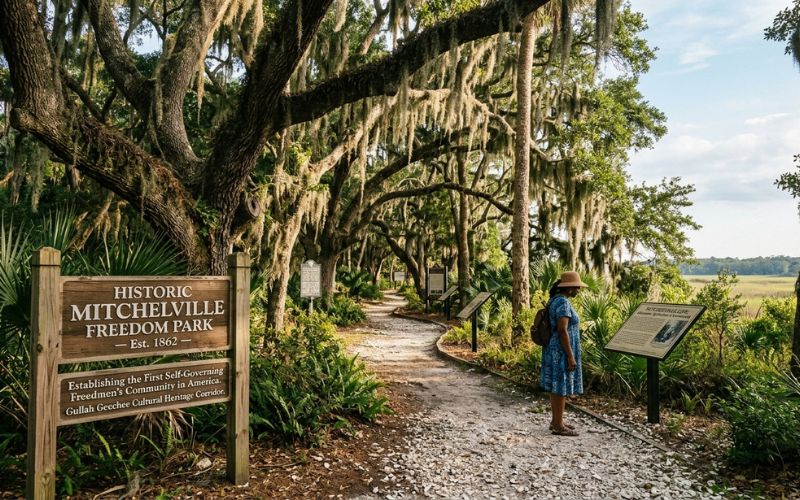
    • Historic Mitchelville Freedom Park: Built in 1862, this was the first self-governing town in America created for freed enslaved people.
    • Gullah Heritage Trail Tours: Bus tours led by native Gullah guides that teach you about Gullah traditions, basket weaving, and music.
    • Zion Cemetery and Baynard Mausoleum: Zion Cemetery holds the Baynard Mausoleum, one of the oldest standing stone buildings on the island (built around 1795–1800).
    • Baynard Ruins: The preserved ruins of an 1840s plantation home built with tabby stone (a mixture of oyster shells, lime, sand, and water).

    Note: Gullah historic sites are sacred. Always stay on trails and show respect when visiting local areas.

    Harbour Town, Shelter Cove & Shopping Areas

    • Harbour Town (Sea Pines): A marina village built around a red-and-white lighthouse with shops, boat views, and live music.
    • Shelter Cove Harbour & Marina: A central waterfront plaza with shops, outdoor dining, and summer fireworks on Tuesday nights.
    • Coligny Plaza: A beachy shopping center near Coligny Beach with over 60 local shops, casual cafes, and toy stores.

    Hidden Gems Most Tourists Miss

    • Secret Photo Spots: Walk the marsh boardwalk at Jarviss Creek Park for views of calm water and wild birds.
    • Quiet Bike Routes: Ride along the Spanish Moss Trail or quiet neighborhood paths in Spanish Wells under giant oak trees.
    • Local Cafes: Try Harold’s Diner for simple, tasty breakfasts.
    • Quiet Nature Preserves: Green Shell Park features quiet nature trails in a peaceful northern neighborhood.

    Free & Cheap Things to Do in Hilton Head

    Completely Free

    • Public Beaches: All 12 miles of ocean and sound beaches have free entry.
    • Pinckney Island Walks: Walk miles of nature trails for free.
    • Coastal Discovery Museum: Explore 68 acres of trails and gardens for free ($5 donation asked).

    Under $25

    • Lighthouse Climb: Climb to the top of the Harbour Town Lighthouse for $8 per person.
    • Mini Golf: Play 18 holes of mini golf for $14 to $18 per player.
    • Sea Pines Entry: Pay a $9 vehicle gate fee to access trails and marina views inside Sea Pines Resort.

    What to Do in Hilton Head When It Rains

    • Indoor Museums: Play indoors at The Sandbox Children’s Museum or view history exhibits at Coastal Discovery Museum.
    • Escape Rooms: Solve puzzle rooms with family at Escape Room Hilton Head.
    • Shopping & Movies: Browse covered stores or see a movie at Shelter Cove Towne Centre.
    • Local Food & Music: Enjoy indoor live music and craft drinks at Side Hustle Beer Company.
    • Art & Theater: Tour indoor art displays at the Arts Center of Coastal Carolina.

    Best Things to Do by Season

    • Spring (March – May): Warm, mild weather ($70°F–80°F). Great for golf, biking, and the annual RBC Heritage tournament.
    • Summer (June – August): Hot and sunny ($85°F–90°F+). Perfect for ocean swimming, fireworks, and seeing sea turtles nest. Sea Turtle Patrol HHI protects these beach nests daily.
    • Fall (September – November): Sunny, pleasant days ($70°F–82°F) with lower crowds. Great for kayaking and food festivals.
    • Winter (December – February): Cool, crisp air ($55°F–65°F). Quiet streets, lower hotel prices, and local oyster roasts.

    Seasonal Calendar Overview

    SeasonAvg TempCrowd LevelTop ActivityMain Event
    Spring75°FModerateBiking & GolfRBC Heritage Tournament
    Summer88°FHighSwimmingSea Turtle Nesting Season
    Fall78°FLow-ModerateKayakingSeafood Festivals
    Winter60°FVery LowHistory ToursOyster Festivals

    Sample Hilton Head Itineraries

    1-Day Plan (First-Time Visitors)

    • Morning: Watch the sunrise at Coligny Beach and rent bikes for a morning ride.
    • Afternoon: Tour the Coastal Discovery Museum, then grab lunch at Coligny Plaza.
    • Evening: Walk around Harbour Town Marina and climb the lighthouse for sunset views.

    3-Day Plan (Couples Getaway)

    • Day 1: Relax at Driessen Beach. Take a sunset sailboat cruise in the evening.
    • Day 2: Walk Pinckney Island early. Take a ferry and golf cart tour of Daufuskie Island.
    • Day 3: Play a morning round of golf or tennis. Enjoy a nice seafood dinner on Broad Creek.

    5-Day Plan (Family Vacation)

    • Day 1: Beach day at Coligny Beach Park. Play mini golf at Pirate’s Island at night.
    • Day 2: Take a morning dolphin boat tour. Swim at your resort pool in the afternoon.
    • Day 3: Walk Sea Pines Forest Preserve trails. Visit the farm animals at Lawton Stables.
    • Day 4: Play at The Sandbox Children’s Museum. Watch fireworks at Shelter Cove Marina.
    • Day 5: Rent kayaks for a marsh tour. Get ice cream in Harbour Town.

    Where to Stay Based on Your Plans

    • Sea Pines: Best for luxury stays, golf, bike paths, and lighthouse views ($9 daily gate fee for day guests).
    • Coligny Area: Best for first-time visitors, budget travelers, and walking to public beaches and shops.
    • Palmetto Dunes: Best for active families who want tennis, pickleball, and resort pools.
    • Shelter Cove: Best for central location, marina views, shopping, and boat tours.
    • Mid-Island (Folly Field / Driessen): Best for quiet beaches away from commercial centers.
    • North End: Best for Gullah history, quiet nature, and lower room prices.

    Transportation, Parking & Getting Around

    • Bike vs. Car: Bikes are often faster than cars during busy summer weeks. Safe, paved bike paths run along most main roads.
    • Parking Fees: Public beach parking is either free (Coligny, Fish Haul) or $1.00 per hour (Driessen, Folly Field).
    • Free Trolley: The Breeze Trolley offers free rides between main beach hubs from spring through fall.
    • Rideshares: Uber and Lyft operate across the island.
    • EV Charging: Charging stations are located at Shelter Cove Towne Centre, The Westin, and Marriott properties.

    Accessibility Guide

    • Wheelchair-Friendly Beaches: Coligny Beach Park, Driessen Beach Park, and Islanders Beach Park feature wide boardwalks and sand matting.
    • Beach Wheelchairs: Free beach wheelchairs with large rubber tires are available at Coligny Beach Park during summer lifeguard hours.
    • Accessible Hotels: Major hotels like The Westin and Marriott’s Barony Beach Club offer accessible rooms and pool ramps.
    Transportation, Parking & Getting Around

    Budget Planning — How Much Do Activities Cost?

    Daily Activity Budgets (Per Person)

    • Budget ($35–$60/day): Free beaches, Pinckney Island walks, bike rentals, and casual lunches.
    • Mid-Range ($120–$200/day): Dolphin boat tour ($45), paid beach parking, mini golf, and restaurant meals.
    • Luxury ($350+/day): Golf rounds ($250+), private boat charters, spa visits, and fine dining.

    Family Budget Example (Family of 4 for 3 Days)

    - Bike rentals for 4: $140
    - Dolphin boat tour for 4: $180
    - Sandbox Museum for 4: $60
    - Mini golf for 4: $64
    - Beaches & nature walks: Free
    Total Activity Budget: ~$444 (~$148/day for the family)
    

    Local Tips That Save Time & Money

    • Beat Summer Traffic: Drive onto the island before 10:00 AM or after 4:00 PM on Saturdays (the main rental check-in day).
    • Book Early: Book dolphin tours and dinner spots 3 to 5 days in advance in summer.
    • Wildlife Safety: Keep a safe distance from wild alligators and never feed them. Never touch sea turtles or their beach nests.

    Common Mistakes First-Time Visitors Make

    • Arriving at Beaches Late: Popular beach parking lots fill up by 10:30 AM in summer. Arrive early to get a spot.
    • Not Renting Bikes: Driving everywhere causes you to get stuck in resort traffic. Bikes are much faster.
    • Ignoring Weather: Expect brief rain storms on summer afternoons. Plan outdoor hikes for the morning.

    Frequently Asked Questions

    What are the best things to do for first-time visitors?

    Rent a bike, spend a morning at Coligny Beach Park, take a dolphin boat tour, and visit Harbour Town Marina.

    Is Hilton Head worth visiting?

    Yes. Hilton Head is a top beach town with clean public beaches, great golf courses, and rich Lowcountry nature.

    How many days do you need?

    A 4 to 7-day trip gives you enough time to enjoy beaches, water tours, historic spots, and local food.

    What are the best free things to do?

    Swim at public beaches, hike trails at Pinckney Island, and explore the grounds at Coastal Discovery Museum.

    Is Hilton Head walkable?

    Areas like Coligny Plaza and Harbour Town are very walkable. However, because the island is long, you need a bike or car to travel between neighborhoods.

    Can you visit without a car?

    Yes, if you stay in central areas like Coligny or Sea Pines. You can use a rental bike and the free seasonal Breeze Trolley to get around.

    What is the best month to visit?

    May and October offer warm weather, sunny days, and smaller crowds.

    Are dolphin tours worth it?

    Yes. Local waters are home to wild bottlenose dolphins year-round, and boat tours offer high chances of seeing them up close.

    You May Be Interested In:
    Things to Do in Hannibal, Missouri: 25 Best Attractions, Local Experiences & Trip Planning Guide
    Things to Do Cusco City (2026): 20 Best Attractions, Local Experiences & 1–3 Day Itinerary

    Disclaimer:
    This article is for informational and educational purposes only. We do our best to keep the information accurate, but details may change over time. Some images may be AI-generated for illustration only. All trademarks, logos, brand names, and copyrights belong to their respective owners. Always verify important travel details with official sources before your trip.

  • Things to Do in Hannibal, Missouri: 25 Best Attractions, Local Experiences & Trip Planning Guide

    Things to Do in Hannibal, Missouri: 25 Best Attractions, Local Experiences & Trip Planning Guide

    Quick Summary

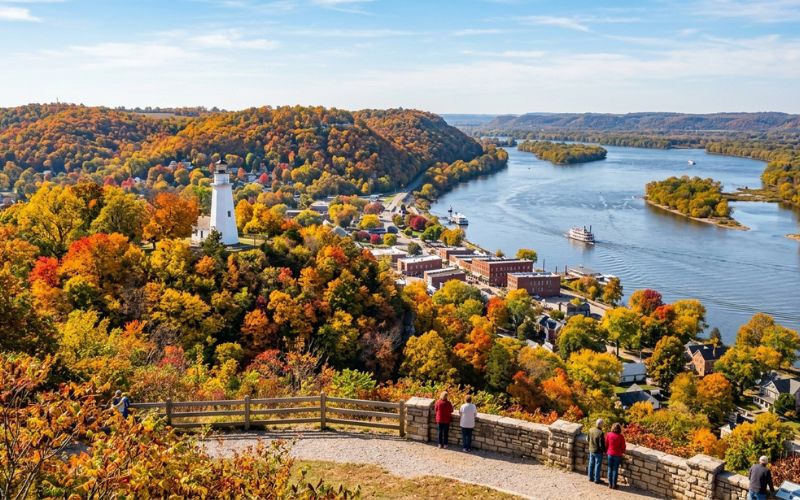
    Hannibal sits on the Mississippi River along the Great River Road (U.S. Route 61). It is famous as the childhood home of author Samuel Clemens, known as Mark Twain. Visitors come for historic sites, limestone caves, and riverboat cruises.

    Top 10 Attractions:

    1. Mark Twain Boyhood Home & Museum
    2. Mark Twain Cave Complex
    3. Mark Twain Riverboat
    4. Historic Main Street Shopping
    5. Rockcliffe Mansion
    6. Cardiff Hill & Lighthouse
    7. Lover’s Leap Overlook
    8. Riverview Park
    9. Haunted Hannibal Ghost Tour
    10. Sodalis Nature Preserve

    At a Glance: Visitors can enjoy Hannibal on a short day trip or spend a couple of days exploring the area.

    Things to Do Hannibal at a Glance

    CategoryFast Facts & Recommendations
    Best Time to VisitMay through October (warm weather and festival season)
    Ideal Trip Length1 to 2 days
    Getting AroundWalkable downtown; car needed for caves and bluffs
    Free SightsCardiff Lighthouse, Lover’s Leap, Riverview Park, Sodalis Preserve
    Official Visitor InfoVisit Hannibal (Hannibal Convention & Visitors Bureau)

    Why Visit Hannibal, Missouri?

    Hannibal offers a unique mix of American history, river scenery, and literary lore. Samuel Clemens lived in Hannibal from 1844 to 1853. He used real places and people from his childhood to write The Adventures of Tom Sawyer and Adventures of Huckleberry Finn.

    Unlike other historic Midwest towns like St. Charles, Missouri, or Galena, Illinois, Hannibal revolves directly around the Mississippi River trade and famous American literature. You can walk on brick streets, explore natural limestone caves, and watch paddlewheel boats along the water.

           [ Downtown Historic District ]
           (Boyhood Home, Main St, Riverboat)
                           |
         +-----------------+-----------------+
         |                                   |
    [ North / Bluffs ]               [ South / Caves ]
    (Cardiff Hill Lighthouse,        (Mark Twain Cave, Winery,
     Riverview Park)                  Sodalis Nature Preserve,
                                      Lover's Leap Overlook)
    

    Walking Distances Downtown

    FromToWalking Time
    Mark Twain Boyhood HomeMain Street Shops1 minute walk
    Mark Twain Boyhood HomeRiverboat Dock4 minute walk
    Main Street ShopsCardiff Hill Steps3 minute walk
    Why Visit Hannibal, Missouri

    25 Best Things to Do in Hannibal

    1. Mark Twain Boyhood Home & Museum

    Walk through nine historic properties and museum galleries in the complex. You can see the famous whitewashed fence from the Tom Sawyer stories and view original Norman Rockwell paintings.

    • Time Needed: 2 to 3 hours.
    • Cost: Paid ticket (covers all complex properties).
    • Best For: History lovers and literary fans.
    • Insider Tip: Buy your ticket at the Main Museum on Hill Street first to get your map.
    • Value Rating: ⭐⭐⭐⭐⭐ (Must-See)
    • Amenities: Wheelchair accessible galleries, restrooms, nearby street parking.

    2. Mark Twain Cave Complex

    Visit a famous show cave that has welcomed visitors for over a century. The underground passage stays cool year-round.

    • Mark Twain Cave: Smooth, flat concrete paths with no stairs. Great for families and seniors.
    • Cameron Cave: A raw, lantern-lit tour with uneven dirt floors for adventurous visitors.
    • Time Needed: 1 hour per tour.
    • Cost: Paid tour admission.
    • Insider Tip: Bring a light jacket, even during hot summer months.
    • Value Rating: ⭐⭐⭐⭐⭐ (Must-See)
    • Amenities: Restrooms, free parking lot, pet-friendly outdoor grounds.

    3. Ride the Mark Twain Riverboat

    Board an authentic paddlewheel boat for a sightseeing cruise or a dinner cruise along the Mississippi River. The captain shares stories of river barge trade and local wildlife.

    • Time Needed: 1 to 2 hours.
    • Cost: Paid ticket (book dinner cruises online in advance).
    • Insider Tip: Sit on the top deck for the best open-air views of the river bluffs.
    • Value Rating: ⭐⭐⭐⭐⭐ (Must-See)
    • Amenities: Restrooms on board, ramp access to main deck.

    4. Walk Historic Main Street

    Stroll cobblestone-style walkways lined with brick buildings, boutiques, candy shops, and antique stores.

    • Time Needed: 1 to 2 hours.
    • Cost: Free to walk.
    • Insider Tip: Stop by Dutch Bakery for fresh pastries or Mark Twain Confectionery for homemade fudge.
    • Value Rating: ⭐⭐⭐⭐ (Highly Recommended)
    • Amenities: Benches, free street parking, stroller-friendly sidewalks.

    5. Visit Rockcliffe Mansion

    Tour a grand Gilded Age mansion built in 1900. It features original antique furniture and Tiffany stained glass windows.

    • Time Needed: 1 hour.
    • Cost: Paid guided tour.
    • Insider Tip: Mark Twain gave a famous speech from the grand staircase inside this home in 1902.
    • Value Rating: ⭐⭐⭐⭐ (Highly Recommended)
    • Amenities: On-site parking; requires stair climbing inside.

    6. Climb to Cardiff Hill & Lighthouse

    Climb the steps up Cardiff Hill to reach the Mark Twain Memorial Lighthouse. The site offers sweeping views of the river and the Mark Twain Memorial Bridge.

    • Time Needed: 30 to 45 minutes.
    • Cost: Free.
    • Insider Tip: You can drive up the backside road if you want to skip the stairs.
    • Value Rating: ⭐⭐⭐⭐⭐ (Must-See)
    • Amenities: Free parking near the top.

    7. Enjoy Lover’s Leap Overlook

    Stand on a high limestone cliff rising directly above the Mississippi River. The overlook offers broad views into Illinois across the water.

    • Time Needed: 20 to 30 minutes.
    • Cost: Free.
    • Insider Tip: Bring binoculars to spot barges navigating the river channel below.
    • Value Rating: ⭐⭐⭐⭐ (Highly Recommended)
    • Amenities: Paved lookout area, accessible parking spaces.

    8. Riverview Park

    Explore a large park with dense forest, paved driving loops, and quiet bluff viewpoints.

    • Time Needed: 45 minutes.
    • Cost: Free.
    • Insider Tip: Visit during mid-October to see incredible autumn leaf colors.
    • Value Rating: ⭐⭐⭐⭐ (Highly Recommended)
    • Amenities: Picnic tables, paved roads, pet-friendly trails.

    9. Hannibal History Museum

    Learn how Hannibal grew from a small river port into a busy manufacturing city.

    • Time Needed: 45 minutes.
    • Cost: Small donation suggested.
    • Value Rating: ⭐⭐⭐ (Good for quick history)
    • Amenities: Ground-level entry, air conditioning.

    10. Big River Train Town

    Watch colorfully detailed model train layouts run on tracks surrounding vintage toy displays.

    • Time Needed: 30 to 45 minutes.
    • Cost: Small admission fee.
    • Value Rating: ⭐⭐⭐ (Best for young kids)
    • Amenities: Level indoor flooring, gift shop.

    11. Molly Brown Birthplace

    Visit the restored cottage where Titanic survivor Margaret Tobin Brown, known as “The Unsinkable Molly Brown,” was born in 1867.

    • Time Needed: 30 minutes.
    • Cost: Small admission fee.
    • Value Rating: ⭐⭐⭐ (Good quick stop)
    • Amenities: Historic doorstep entrance; open seasonally.

    12. Haunted Hannibal Ghost Tour

    Ride a comfortable shuttle bus at night to hear spooky local legends, murder mysteries, and ghost stories.

    • Time Needed: 1.5 hours.
    • Cost: Paid ticket (reserve seats online).
    • Value Rating: ⭐⭐⭐⭐ (Highly Recommended)
    • Amenities: Climate-controlled bus; requires climbing bus steps.

    13. Sodalis Nature Preserve

    Walk or cycle on flat, paved trails that pass by protected limestone mine openings. These caves host an endangered bat colony.

    • Time Needed: 1 to 2 hours.
    • Cost: Free.
    • Value Rating: ⭐⭐⭐⭐ (Highly Recommended)
    • Amenities: Paved ADA-accessible main trail, free parking lot, dog-friendly.

    14. Mississippi River Walk

    Enjoy a level, paved path along the water downtown. Kids can play at the nearby riverfront splash pad during summer days.

    • Time Needed: 30 minutes.
    • Cost: Free.
    • Value Rating: ⭐⭐⭐⭐ (Highly Recommended)
    • Amenities: Benches, flat concrete, nearby public restrooms.

    15. Mural Walking Tour

    Spot colorful outdoor wall murals painted across downtown brick buildings. They depict scenes from Twain novels and old riverboat trade.

    • Time Needed: 30 to 45 minutes.
    • Cost: Free.
    • Value Rating: ⭐⭐⭐ (Good casual activity)
    • Amenities: Flat sidewalk access throughout downtown.

    16. Local Art Galleries

    Browse local art co-ops like Alliance Art Gallery on Main Street. You will find handmade pottery, oil paintings, and wood carvings.

    • Time Needed: 45 minutes.
    • Cost: Free to browse.
    • Value Rating: ⭐⭐⭐ (Good for shoppers)
    • Amenities: Ground-level entryways.

    17. Escape Rooms

    Solve puzzles and break codes at Hannibal Escape Rooms on Broadway. Rooms feature local riverboat and historic mysteries.

    • Time Needed: 1 hour.
    • Cost: Paid group ticket.
    • Value Rating: ⭐⭐⭐ (Great rainy-day option)
    • Amenities: Indoor climate control.

    18. Wineries & Breweries

    Taste regional Missouri wines on the patio at Cave Hollow Winery, or sip local craft beer at Mark Twain Brewing Company downtown.

    • Time Needed: 1 to 2 hours.
    • Cost: Price per drink or tasting flight.
    • Value Rating: ⭐⭐⭐⭐ (Great for adults)
    • Amenities: Indoor and outdoor seating, food service.

    19. Antique Shopping

    Search for vintage treasures at large venues like the Hannibal Antique Center on Main Street.

    • Time Needed: 1 to 2 hours.
    • Cost: Free to browse.
    • Value Rating: ⭐⭐⭐⭐ (Fun browsing)
    • Amenities: Indoor shopping; aisles can be narrow.

    20. Farmers Market (Seasonal)

    Buy fresh produce, local honey, and baked goods at the seasonal Saturday morning market near Central Park.

    • Time Needed: 30 minutes.
    • Cost: Free entry.
    • Value Rating: ⭐⭐⭐ (Good local stops)
    • Amenities: Outdoor paved street market.

    21. Riverfront Festivals

    Attend major annual events like National Tom Sawyer Days every July 4th weekend. It features fence-painting contests, frog jumping, and live music.

    • Time Needed: Half day to full day.
    • Cost: Free entry to street areas; food vendors extra.
    • Value Rating: ⭐⭐⭐⭐⭐ (Top summer event)
    • Amenities: Public restrooms, street food vendors.

    22. Kayaking & Water Recreation

    Launch a kayak at nearby Mark Twain Lake or peaceful side channels along the river.

    • Time Needed: 2 to 3 hours.
    • Cost: Equipment rental or free with own boat.
    • Value Rating: ⭐⭐⭐ (Good for outdoor gear owners)
    • Amenities: Boat ramps at nearby park lakes.

    23. Local Coffee Shops

    Enjoy espresso drinks, iced lattes, and breakfast sandwiches at cozy spots like Java Jive on Main Street.

    • Time Needed: 30 minutes.
    • Cost: $4–$8 per person.
    • Value Rating: ⭐⭐⭐⭐ (Cozy morning stop)
    • Amenities: Free Wi-Fi, indoor tables.

    24. Sunset Photography Spots

    Capture golden-hour views over the river. The three best spots are Cardiff Hill Lighthouse, Lover’s Leap, and Riverview Park.

    • Time Needed: 45 minutes at dusk.
    • Cost: Free.
    • Value Rating: ⭐⭐⭐⭐⭐ (Great views)
    • Amenities: Nearby vehicle parking.

    25. Historic Architecture Walk

    Walk along 5th and 6th streets in the Central Park Historic District to view preserved 19th-century Victorian homes and churches.

    • Time Needed: 45 minutes.
    • Cost: Free.
    • Value Rating: ⭐⭐⭐ (Peaceful neighborhood walk)
    • Amenities: Sidewalk paths.

    Best Things to Do in Hannibal with Kids

    Hannibal is ideal for family trips. You can organize your day by age group:

    • Toddlers: Play at the riverfront splash pad on hot days, or watch the model trains at Big River Train Town.
    • School-Age Kids: Paint the fence at the Boyhood Home Museum, or explore the flat paths inside Mark Twain Cave.
    • Teens: Ride the Mark Twain Riverboat or take the evening Haunted Hannibal Ghost Tour.

    Stroller Note: Main Street and the River Walk are very smooth. You will need to carry strollers up Cardiff Hill or inside historic home tours.

    Romantic Things to Do for Couples

    Hannibal makes an easy weekend trip for two.

    • Book a sunset dinner cruise on the Mark Twain Riverboat.
    • Enjoy a wine tasting flight at Cave Hollow Winery.
    • Watch the river lights from Cardiff Hill Lighthouse at dusk.
    • Dine in a quiet historic space at LaBinnah Bistro on Broadway.

    One-Day Hannibal Itinerary

    If you have just one day in town, follow this simple schedule:

    • 1.Morning: Twain Sights & Lighthouse:8:30 AM – 11:30 AM.
    • Visit the Mark Twain Boyhood Home & Museum on Hill Street. Walk north along Main Street and climb the steps up Cardiff Hill to the lighthouse for morning river views.
    • 2.Lunch: Historic Main Street:11:30 AM – 12:45 PM.
    • Eat lunch at a downtown spot like Ole Planters Restaurant or Brick Oven Pizza.
    • 3.Afternoon: Cave Tour & River Bluff:1:00 PM – 4:00 PM.
    • Drive south on Highway 79 to the Mark Twain Cave Complex for a guided tour. Drive back toward town and stop at Lover’s Leap Overlook for photos.
    • 4.Dinner & Evening: Riverboat Cruise:4:30 PM – 8:00 PM.
    • Head to the riverfront dock for a sunset cruise on the Mark Twain Riverboat.

    Weekend (2-Day) Hannibal Itinerary

    Day One: Twain Sights & River Life

    • Morning: Tour the Mark Twain Boyhood Home & Museum buildings.
    • Lunch: Dine at a Main Street bistro.
    • Afternoon: Take a daytime sightseeing cruise on the riverboat, then drive through Riverview Park.
    • Dinner: Eat seafood or steaks downtown.
    • Evening: Take the Haunted Hannibal Ghost Tour.

    Day Two: Caves, Mansions & Nature

    • Morning: Take a guided walk through Mark Twain Cave or Cameron Cave.
    • Lunch: Grab a sandwich or wine board at Cave Hollow Winery.
    • Afternoon: Tour Rockcliffe Mansion, then take a flat walk at Sodalis Nature Preserve.
    • Late Afternoon: Drive up to Lover’s Leap Overlook for sunset pictures.
    • Dinner: Enjoy craft beer and burgers downtown.

    Rainy Day Backup Plan: If rain starts, visit the Mark Twain Museum galleries, Big River Train Town, or the downtown escape rooms. Mark Twain Cave offers an underground escape protected from the rain!

    Where to Eat in Hannibal

    • Breakfast: Dutch Bakery (donuts and hot skillets) or Lighthouse Cafe (pancakes and bacon).
    • Lunch: Ole Planters Restaurant (home cooking) or Brick Oven Pizza (specialty pies).
    • Dinner: LaBinnah Bistro (upscale Mediterranean) or Fiddlestiks Food & Spirits (steaks and seafood).
    • Coffee: Java Jive (espresso and fresh pastries).
    • Best Option After Cave Tours: Cave Hollow Winery & Bistro (located on the cave grounds).
    Where to Eat in Hannibal

    Where to Stay in Hannibal

    AccommodationTypeBest For
    Belvidere Grand SuitesLuxury SuitesCouples seeking extra space
    Dubach Inn B&BHistoric B&BWalking distance to downtown
    Best Western On the RiverFamily HotelPool access near downtown
    Days Inn by WyndhamBudget HotelCost-conscious road trippers
    Mark Twain Cave CampgroundRV & CampingStaying near the cave complex

    Best Time to Visit & Weather

    SeasonWeatherCrowdsHighlights
    Spring (Mar–May)Mild (50°F–70°F)ModerateMuseum visits, quiet streets, blooming trees
    Summer (Jun–Aug)Warm (80°F–90°F)HighRiverboat cruises, splash pads, Tom Sawyer Days festival
    Fall (Sep–Nov)Crisp (50°F–75°F)ModerateBluff fall foliage, winery visits, ghost tours
    Winter (Dec–Feb)Cold (20°F–40°F)LowLow hotel rates, quiet indoor museum stops

    Hannibal Trip Budgets & Saving Money

    Hannibal is an affordable destination along the Great River Road.

    Saving Tip: Many top sights cost nothing. You can visit Cardiff Hill Lighthouse, Lover’s Leap, Riverview Park, Sodalis Nature Preserve, and the River Walk without spending a dollar.

    Practical Visitor Tips

    • Parking: Public street parking and riverfront lots are widely available throughout downtown Hannibal.
    • Reservations: Book dinner riverboat cruises and October ghost tours online 1 to 2 weeks early.
    • Accessibility: Main Street sidewalks are flat. Mark Twain Cave has flat concrete paths. Historic buildings like Rockcliffe Mansion have internal staircases.
    • Pets: Leashed dogs are welcome at Riverview Park, Sodalis Nature Preserve, and the Mississippi River Walk.

    Final Thoughts

    Hannibal, Missouri brings classic river history to life. Whether you want to explore limestone caves, ride a paddlewheel boat, or stand atop high river bluffs, this town makes trip planning simple. Pack comfortable walking shoes and enjoy your visit along the Mississippi River!

    Frequently Asked Questions

    What is Hannibal, Missouri famous for?

    What makes Hannibal famous is author Mark Twain. He grew up here in the 1840s and used the town as the setting for Tom Sawyer.

    Is Hannibal worth visiting?

    Is Hannibal worth visiting for a weekend trip? Yes. It features riverboat cruises, limestone caves, historic downtown shopping, and scenic river views.

    How many days do you need in Hannibal?

    How many days do you need to see everything? One day covers the main historic sites and a cave tour. Two days allows a relaxed pace for parks and cruises.

    How far is Hannibal from St. Louis?

    How far is Hannibal from St. Louis by car? Hannibal is about 100 miles north of St. Louis. The drive takes around 1 hour and 30 minutes via Highway 61.

    Is downtown Hannibal walkable without a car?

    Is downtown Hannibal walkable on foot? Yes. The shops, museums, restaurants, and riverfront are all within a few flat blocks of each other. You will need a car to reach the cave complex.

    Are the caves safe for young children?

    Are the caves safe for kids and seniors? Yes. Mark Twain Cave features smooth, flat concrete paths with no steps and no tight crawling spaces.

    You May Be Interested In:
    Things to Do Cusco City (2026): 20 Best Attractions, Local Experiences & 1–3 Day Itinerary
    Things to Do on Nantucket Island, MA: 25 Best Attractions, Beaches & Local Experiences

    Disclaimer:
    This article is for informational and educational purposes only. We do our best to keep the information accurate, but details may change over time. Some images may be AI-generated for illustration only. All trademarks, logos, images, and copyrights belong to their respective owners. Please check official sources before making travel plans.
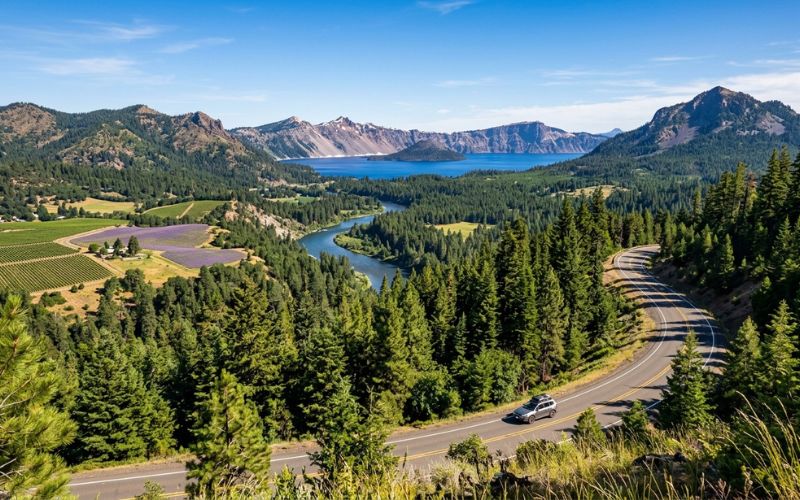
  • Things to Do Cusco City (2026): 20 Best Attractions, Local Experiences & 1–3 Day Itinerary

    Things to Do Cusco City (2026): 20 Best Attractions, Local Experiences & 1–3 Day Itinerary

    Cusco was once the capital of the vast Inca Empire. Today, it is a vibrant city in South America. Most travelers treat Cusco as a quick stop before visiting Machu Picchu. However, skipping the city itself is a big mistake. Cusco offers rich history, lively food markets, and massive stone ruins.

    This guide focuses strictly on activities within Cusco city limits. You will learn about key sights, entry tickets, local food, and practical travel tips.

    Quick Answer: What Are the Best Things to Do Cusco City?

    The best things to do in Cusco city include exploring Plaza de Armas, visiting Qorikancha, and walking through San Blas. You should also explore Sacsayhuamán, San Pedro Market, Cusco Cathedral, Cristo Blanco, and the 12-Angled Stone. Joining a food tour and visiting local museums are also top activities.

    • Plaza de Armas: The main square in the center of the city.
    • Qorikancha: An ancient Inca temple with a Spanish church built on top.
    • San Blas: An art district with narrow streets and craft shops.
    • Sacsayhuamán: A massive Inca site with giant stone walls.
    • San Pedro Market: A busy market for fresh juice and souvenirs.
    • Cusco Cathedral: A large church packed with historic paintings.
    • Cristo Blanco: A large white statue offering sweeping city views.
    • 12-Angled Stone: A famous example of perfect Inca stonework.
    • Museums: Collections showing ancient gold and historic art.
    • Food Tour: Guided tasting tours of traditional regional dishes.

    Summary: Cusco is very walk-friendly. However, the high mountain location can make walking feel tiring on your first day. Start with flat walks in the center before trying uphill sights.

    Cusco City at a Glance

    Before booking your daily tours, it helps to understand how the city is set up. Cusco sits high in the Andes mountains. It blends native Inca foundations with Spanish colonial buildings.

    The old town was named a UNESCO World Heritage site in 1983. You can easily walk between most central sights.

    TopicQuick Answer
    Elevation3,399 meters (11,150 feet) above sea level
    Ideal Stay2 to 3 days
    Best Time to VisitMay to October (Dry season with clear skies)
    CurrencyPeruvian Sol (PEN)
    LanguageSpanish and Quechua
    SafetyGenerally safe; watch for pickpockets in crowded areas
    Walking DifficultyModerate to challenging due to steep stone stairs

    Before Exploring Cusco City: Altitude, Tickets & Practical Tips

    Planning a smooth trip to Cusco requires a little preparation. Altitude and ticket rules can catch first-time visitors off guard.

    How to Avoid Altitude Sickness

    Cusco sits high above sea level where the air has less oxygen. Altitude sickness is locally called soroche. It can cause headaches, nausea, and tiredness.

    • Rest on Day 1: Take it easy at your hotel for a few hours after landing.
    • Drink Water: High elevation dehydrates your body quickly. Drink plenty of water.
    • Try Coca Tea: Hot tea made from native coca leaves is a traditional local remedy.
    • Eat Light Meals: Digestion slows down at high elevations. Stick to simple soups on your first night.

    Do You Need the Boleto Turístico?

    The Boleto Turístico del Cusco (BTC) is an official tourist ticket run by the COSITUC government agency. It gives you entry to major historical sites. You cannot buy single tickets for many of these places.

    • Full Ticket: Valid for 10 days. Covers 16 sites in the city and surrounding valleys. Cost is 130 PEN (around $35 USD).
    • Partial Ticket (Circuit 2): Valid for 2 days. Covers city museums and local attractions. Cost is 70 PEN (around $19 USD).
    AttractionIncluded in Boleto?Separate Ticket Required?Free Entry?
    SacsayhuamánYesNoNo
    Qorikancha (Temple)NoYes (Check current rates)No
    Cusco CathedralNoYes (Check current rates)No
    San Pedro MarketNoNoYes
    Cristo BlancoNoNoYes
    12-Angled StoneNoNoYes

    Getting Around Cusco City

    • Walking: Central Cusco is compact and best explored on foot. Wear shoes with good grip for smooth stone paths.
    • Taxis: Taxis do not use meters. Always agree on the price before getting into the car. A quick ride across the center costs around 7 to 10 PEN ($2–$3 USD).
    • Ride Apps: Uber works in Cusco and offers fixed prices.
    • Safety Tip: Keep your bag zipped tight in crowded markets. Emergency help can be reached by dialing 105 for local police.
    Before Exploring Cusco City Altitude, Tickets & Practical Tips

    Best Things to Do in Cusco City

    Explore Plaza de Armas

    The Plaza de Armas is the central square of Cusco. In Inca times, this square was used for royal ceremonies. Today, it features wooden balconies, gardens, and colonial arcades.

    Sit on a bench to relax, or grab a coffee at a second-floor balcony cafe. Yellow streetlights light up the stone buildings at night.

    • Time Needed: 1 hour
    • Cost: Free to visit
    • Best For: Easy orientation on your first day

    Visit Qorikancha (Temple of the Sun)

    Qorikancha was the most sacred temple in the Inca Empire. Its inner walls were once covered in heavy sheets of solid gold.

    Spanish forces removed the gold and built the Church of Santo Domingo directly on top of the Inca stone foundation. Earthquakes later destroyed parts of the church, but the Inca stonework stood firm. Check official ticket desks for current entry fees before your visit.

    • Time Needed: 1 hour
    • Cost: Check ticket office for current rates

    Walk Through San Blas Neighborhood

    San Blas is an art district located just a short walk uphill from the main square. This area features narrow alleys, white buildings, and bright blue window frames.

    Local artisans have worked here for generations. You will find small art galleries, woodcarving shops, handmade jewelry, and cozy cafes lining the streets.

    See the Famous 12-Angled Stone

    Located on Calle Hatun Rumiyoc, this stone is a famous example of Inca stonework. The massive stone block fits into the surrounding wall with twelve distinct angles.

    Inca masons used no cement to hold it in place. The fit is so tight that you cannot slide a piece of paper between the rocks.

    • Time Needed: 10 minutes
    • Cost: Free

    Explore San Pedro Market

    San Pedro Market gives you a close look at local daily life. Built in the early 20th century, this giant hall is packed with stalls selling food, fruit, and crafts.

    Visit the juice section for fresh fruit drinks made while you wait. Stick to stalls that serve hot cooked food, and always drink bottled water.

    Visit Sacsayhuamán

    Sacsayhuamán is a giant Inca site located on a hill above the city. It is famous for its massive carved rocks. The largest stones weigh over 120 tons.

    The site offers great views of the valley below. Visit early in the morning to enjoy cooler weather and fewer crowds. Entry requires the official Boleto Turístico pass.

    Walk to Cristo Blanco Viewpoint

    Cristo Blanco is an 8-meter (26-foot) tall white statue of Jesus Christ sitting on Pukamuqu hill. Palestinian refugees gifted the statue to the city in the mid-20th century.

    It offers panoramic views across the entire valley. You can take a 10-minute taxi from the center for about 10 PEN ($3 USD).

    Visit Cusco Cathedral

    Dominating the main square, the Cusco Cathedral took nearly 100 years to build. Builders used stone taken from nearby Inca structures.

    Inside, you will find hundreds of historic paintings. Look for the famous Last Supper painting by Quechua artist Marcos Zapata. Instead of traditional food, Jesus and his disciples are shown eating a roasted guinea pig (cuy). Check current ticket prices at the cathedral door.

    Explore the Best Museums

    Setting aside a morning for museums helps you understand Andean culture before visiting ancient sites.

    MuseumBest ForTime NeededTicket Info
    Inca Museum (Museo Inka)Ancient mummies, pottery, and gold objects1.5 hoursCheck ticket office for current rates
    Pre-Columbian Art Museum (MAP)Fine stone carvings and a quiet courtyard1 hourCheck ticket office for current rates
    Regional Historical MuseumHistory inside the home of writer Garcilaso de la Vega1 hourIncluded in Boleto Turístico

    Take a Walking Tour

    A guided walking tour is a great way to learn history on your first day. Local guides share stories about Inca life, Spanish rule, and modern city culture.

    Free walking tours leave daily from the main square. Guides work for tips, so leaving 20 to 30 PEN ($5–$8 USD) per person is standard practice.

    Join a Peruvian Food Tour

    Peru is famous for its food, and Cusco has a unique regional style. Food tours take you past tourist spots into authentic local eateries.

    You will sample dishes like chicha morada (sweet purple corn drink) and lomo saltado (beef stir-fry). Guides explain local ingredients like Andean potatoes and native corn.

    Take a Cooking Class

    A cooking class is a fun hands-on activity for a rainy afternoon. Most classes start with a quick trip to a local market to buy fresh ingredients.

    An expert chef guides you through every step. You will learn how to make fresh ceviche and mix a traditional Pisco Sour drink.

    • Time Needed: 3 hours
    • Skill Level: Easy; suitable for beginners and families

    Watch Traditional Music and Dance

    You can experience Andean culture through live music and dance performances. The Centro Qosqo de Arte Nativo hosts shows featuring local musicians playing panpipes and drums. Dancers perform in colorful native clothing.

    • Show Info: Nightly performances (check current schedules)
    • Cost: Included with the full Boleto Turístico

    Discover Hidden Streets & Small Plazas

    Beyond the main attractions, Cusco holds quiet corners that many tourists miss.

    • Sapantiana Aqueduct: A stone colonial aqueduct hidden in a green ravine past San Blas.
    • Calle Siete Culebras: A quiet alley named “Street of Seven Snakes” featuring small stone snake carvings.
    • Plaza de las Nazarenas: A calm square surrounded by historic stone buildings and luxury hotels.
    • San Cristóbal Church: A hilltop church offering quiet views of the city center.
    • Temple of the Moon: An ancient Inca rock shrine located on a quiet path just beyond Sacsayhuamán.

    Free Things to Do in Cusco City

    Exploring Cusco on a budget is easy. Many of the top sights cost nothing at all.

    ActivityCostTime NeededBest Time
    Plaza de Armas StrollFree1 hourEvening
    San Blas WalkFree1.5 hoursMorning
    Cristo Blanco ViewpointFree1 hourLate Afternoon
    San Pedro Market VisitFree1 hourMorning
    12-Angled Stone PhotoFree10 minutesEarly Morning
    Sapantiana Aqueduct WalkFree45 minutesMidday

    Best Things to Do by Traveler Type

    • Families: Visit the ChocoMuseo for a hands-on chocolate workshop. Use taxis for uphill trips to keep kids from tiring out.
    • Solo Travelers: Join a free walking tour on your first day to meet people and learn your way around.
    • Couples: Stroll the quiet alleys of San Blas and book an evening cooking class together.
    • Budget Backpackers: Stick to self-guided walks and eat set lunch menus (menú del día) at local markets for 10 to 15 PEN.
    • Luxury Travelers: Stay in restored colonial hotels and book private historical tours.
    • Food Lovers: Take a market cooking class and sample street food like anticuchos (beef heart skewers).
    • History Lovers: Spend extra time at the Inca Museum and Qorikancha.
    • Photographers: Shoot early morning light along Calle Hatun Rumiyoc before crowds arrive.

    Best Things to Do by Time Available

    If You Have Half a Day

    If you only have a few hours, follow our self-guided walking route below. It covers central landmarks on foot without requiring steep uphill climbs.

    One Day in Cusco

    Start your morning at Plaza de Armas and visit the Cusco Cathedral. Walk down Avenida del Sol to explore Qorikancha. In the afternoon, head up to San Blas for coffee. Take a ten-minute taxi ride to Cristo Blanco before sunset.

    Two Days in Cusco

    • Day 1: Explore flat central sights including Plaza de Armas, Qorikancha, and San Pedro Market.
    • Day 2: Visit Sacsayhuamán in the morning. Spend the afternoon at the Inca Museum and watch an evening dance performance at Centro Qosqo de Arte Nativo.

    Three Days in Cusco

    • Day 1: Rest, adapt to the altitude, and stroll through the city center.
    • Day 2: Visit Sacsayhuamán and Cristo Blanco in the morning. Take a Peruvian cooking class in the afternoon.
    • Day 3: Visit the Pre-Columbian Art Museum, shop at San Pedro Market, and take an evening street food tour.
    DayMorningAfternoonEvening
    Day 1Main square & CathedralQorikancha templeDinner overlooking the square
    Day 2Sacsayhuamán ruinsSan Blas art districtCultural dance show
    Day 3Pre-Columbian Art MuseumCooking class or food tourSunset viewpoint visit

    Easy Self-Guided Walking Route Through Cusco City

    This simple loop connects major central sights. You can follow this route easily on your phone.

    Plaza de Armas ➔ Cusco Cathedral ➔ 12-Angled Stone ➔ San Blas ➔ Qorikancha ➔ San Pedro Market
    
    1. Plaza de Armas: Start at the central fountain in the main square.
    2. Cusco Cathedral: Walk to the north side of the square to see the main facade.
    3. 12-Angled Stone: Head east down Calle Triunfo onto Calle Hatun Rumiyoc.
    4. San Blas: Follow the path slightly uphill into the art district.
    5. Qorikancha: Walk downhill toward Avenida del Sol to see the ancient temple walls.
    6. San Pedro Market: Head west down Calle Santa Clara to reach the market hall.
    • Total Distance: 3.5 kilometers (2.2 miles)
    • Walking Time: 2 hours at a relaxed pace

    What to Eat While Exploring Cusco

    Cusco has a rich food culture based on potatoes, corn, and Andean spices.

    • Lomo Saltado: Strips of beef fried with onions, tomatoes, soy sauce, and french fries.
    • Alpaca Steak: A lean, tender red meat that tastes similar to beef.
    • Cuy (Roasted Guinea Pig): A traditional Andean meal reserved for special events.
    • Chicha Morada: A sweet drink made from purple corn, fruit, and cinnamon.
    • Rocoto Relleno: Spicy peppers stuffed with minced meat, vegetables, and melted cheese.

    Things Worth Booking in Advance

    A few tours sell out during peak summer months (June through August).

    • Cooking Classes: Small cooking schools limit class sizes. Book 2 to 3 days ahead.
    • Food Tours: Evening tasting tours fill up quickly. Book before arriving.
    • Specialty Tours: Book Planetarium Cusco visits early because shuttle seats are limited.
    Things Worth Booking in Advance

    Nearby Attractions Worth Visiting After Exploring Cusco City

    Once your body adapts to the mountain elevation, you can take day trips outside the city limits.

    • Sacred Valley (Pisac & Ollantaytambo): A lower valley located one hour away featuring large ruins and markets.
    • Rainbow Mountain: A high-altitude day hike up to 5,200 meters (17,000 feet). Skip this if you still feel effects from the elevation.
    • Machu Picchu: The famous Inca city reached by train or multi-day hiking trails.

    Common Mistakes First-Time Visitors Make

    Avoid these common planning errors during your trip:

    • Doing too much on Day 1: Pushing yourself too soon can trigger altitude sickness.
    • Buying the wrong ticket: A partial ticket limits your entries. Buy the 10-day Boleto Turístico if staying multiple days.
    • Rushing to Machu Picchu: Skipping city stays deprives you of essential altitude adjustment time.
    • Carrying large cash notes: Small vendors cannot make change for 100 PEN bills. Carry small notes (10 and 20 PEN).

    Sample Budget for Exploring Cusco City

    Cusco caters well to all travel styles and budgets.

    Budget LevelEstimated Daily CostWhat It Covers
    Budget$30 – $50 USD (110–185 PEN)Hostel beds, market meals, free walking tours
    Mid-Range$80 – $160 USD (300–600 PEN)3-star hotel, sit-down dinners, entry passes, cooking class
    Luxury$250+ USD (925+ PEN)Historic 5-star hotel, private guides, fine dining restaurants

    Sample Daily Breakdown (Mid-Range)

    • Food: 90 PEN ($24 USD) for market breakfast, set lunch, and sit-down dinner.
    • Transport: 20 PEN ($5 USD) for short taxi rides.
    • Entry Fees: 35 PEN ($9 USD) averaged across multi-day passes.
    • Coffee & Snacks: 20 PEN ($5 USD) for coca tea or pastry.

    Final Thoughts

    Cusco is much more than a quick stop on the way to Machu Picchu. It is a city filled with history, great food, and historic architecture.

    Take it easy on your first day, drink coca tea, and enjoy a slow walk through the center. Giving yourself time to adjust to the elevation will make your trip through Peru far more enjoyable.

    Frequently Asked Questions

    What are the best things to do in Cusco city?

    The best things to do in Cusco city include exploring Plaza de Armas, visiting Qorikancha, browsing San Pedro Market, and walking through San Blas. You should also see Sacsayhuamán, visit local museums, and try regional food.

    Is one day enough in Cusco?

    One day in Cusco is enough to see central sights like Plaza de Armas and Qorikancha. However, it is not enough time to acclimate to the high altitude or explore nearby ruins without rushing.

    How many days should I stay in Cusco?

    You should stay in Cusco for two to three days. This gives your body time to adjust to the high elevation before hiking or traveling to Machu Picchu.

    What is free to do in Cusco?

    Free activities include strolling around Plaza de Armas, exploring San Blas, viewing the 12-Angled Stone, browsing San Pedro Market, and walking to the Sapantiana Aqueduct.

    Is Cusco safe for tourists?

    Yes, Cusco is generally safe for tourists. The historic center has a strong police presence. Keep an eye on your belongings in crowded markets like San Pedro.

    Is the Boleto Turístico worth buying?

    Yes, the Boleto Turístico is worth buying if you plan to visit major sites like Sacsayhuamán or regional museums. You cannot buy single tickets for many of these locations.

    Can I walk around Cusco?

    Yes, you can easily walk around central Cusco. However, steep stone stairs and thin air can tire you out quickly, so wear comfortable shoes and take breaks.

    What should I do before visiting Machu Picchu?

    Spend at least two days in Cusco or the Sacred Valley to adjust to the high mountain air. Buy your entry passes and train tickets months in advance.

    What are the best viewpoints in Cusco?

    The best viewpoints in Cusco are Cristo Blanco, San Cristóbal Church, and second-floor balcony cafes overlooking Plaza de Armas.

    What food should I try in Cusco?

    Try lomo saltado (beef stir-fry), roasted alpaca steak, chicha morada (purple corn drink), and fresh fruit juice at San Pedro Market.

    You May Be Interested In:
    Things to Do on Nantucket Island, MA: 25 Best Attractions, Beaches & Local Experiences
    Things to Do Near Mammoth Cave: 25+ Best Attractions, Tours & Itineraries

    Disclaimer:
    This article is for informational and educational purposes only. We do our best to keep the information accurate, but travel details, prices, and rules may change. Some images may be AI-generated for illustration only. All copyrights, trademarks, and other intellectual property belong to their respective owners.

  • Things to Do on Nantucket Island, MA: 25 Best Attractions, Beaches & Local Experiences

    Things to Do on Nantucket Island, MA: 25 Best Attractions, Beaches & Local Experiences

    Nantucket Island sits about 30 miles south of Cape Cod, Massachusetts. This tiny island packs historic charm, clean beaches, and great seafood into an area of about 48 square miles.

    Whether you want to ride a bike along quiet paths or learn about old ocean history, Nantucket has something for everyone. This guide covers the best things to do on Nantucket Island, MA, to help you plan a great trip.

    Short on time? Jump straight to ourdetailed itinerariesbelow to plan your daily schedule.

    Quick Answer: What Are the Best Things to Do on Nantucket Island?

    The best things to do on Nantucket Island include walking on old stone streets, visiting ocean beaches, and checking out lighthouses. Visitors can ride bikes on smooth paths, visit museums, eat fresh seafood, and watch nice sunsets.

    Here are the top ten things to do:

    1. Explore Historic Downtown: Walk down stone streets lined with old homes and local shops.
    2. Visit the Whaling Museum: See historical displays run by the local historical group.
    3. Walk to Brant Point Lighthouse: Watch boats enter the bay from a historic lighthouse point.
    4. Relax at Surfside Beach: Enjoy wide sandy shores and ocean waves on the south side.
    5. Bike Island Trails: Ride along paved paths built across the island.
    6. Visit Siasconset (‘Sconset): Walk through a quiet town full of old wooden cottages.
    7. Stroll the ‘Sconset Bluff Walk: Walk along a small dirt path that looks out over the ocean.
    8. Watch Sunset at Madaket Beach: Enjoy nice sky views on the far west side of the island.
    9. Visit Cisco Brewers: Enjoy an open outdoor yard with drinks, music, and food trucks.
    10. Take a Water Cruise: Join a sailboat ride or a trip to see wild seals on the water.
    If You Like…Do This First
    HistoryExplore Downtown & Whaling Museum
    BeachesRelax at Surfside Beach or Jetties Beach
    CouplesStroll ‘Sconset Bluff Walk & watch the sunset
    FamiliesSwim at Jetties Beach & Children’s Beach
    AdventureHike Coskata-Coatue Wildlife Refuge

    Is Nantucket Worth Visiting?

    Yes, Nantucket is worth visiting because it blends rich history with big areas of open land. Strict town rules mean you will see no chain stores or tall hotels. Much of the island is protected by land groups.

    Nantucket vs. Martha’s Vineyard

    Many travelers compare Nantucket to nearby Martha’s Vineyard. While both are islands near Cape Cod, they feel different.

    FeatureNantucketMartha’s Vineyard
    SizeAbout 48 square miles100 square miles
    VibeHistoric, walkable, simple styleSix different towns, farm land
    Getting AroundEasy by bike, bus, or walkingBest with a car or island bus
    Best ForHistoric streets & clean beachesTown variety & forest walks

    Top 10 Attractions at a Glance

    AttractionTime NeededCost RangeBest For
    Historic Downtown2 to 3 hoursFreeWalking & shopping
    Whaling Museum1.5 to 2 hoursCheck online ratesHistory & rainy days
    Brant Point Light30 to 45 minsFreePhotos & boat views
    Surfside Beach2 to 4 hoursFreeSurfing & ocean waves
    Jetties Beach2 to 4 hoursFreeFamilies & easy swimming
    ‘Sconset Village1 to 2 hoursFreeCottage walks & gardens
    ‘Sconset Bluff Walk45 to 60 minsFreeCouples & ocean views
    Cisco Brewers1.5 to 3 hoursVaries by orderDrinks, music & food
    Madaket Beach1 to 2 hoursFreeEvening sunsets
    Coskata-Coatue Refuge3 to 5 hoursBeach permit requiredWildlife & hiking

    Map of the Best Things to Do on Nantucket

    Nantucket is shaped like a curve. The historic town sits on the north side facing the bay. The south side has big ocean waves, while ‘Sconset sits on the far east end.

           [ Great Point Lighthouse ] (North)
                     |
      [ Jetties Beach ] -- [ Downtown Nantucket ] -- [ Brant Point ]
             |                       |
      [ Madaket Beach ]        [ Cisco Brewers ] --- [ Sankaty Light ]
          (West)                     |                   |
                               [ Surfside Beach ]   [ 'Sconset Village ]
                                    (South)               (East)
    

    Best Things to Do in Historic Nantucket Town

    Nantucket’s town center is a famous national site. It has preserved buildings from long ago.

    Wander the Historic Downtown Streets

    Start your walk on Main Street. The wide street is made of old stone blocks. Brick paths go past big homes built by rich whale-ship captains. You can shop at local stores along the water without seeing any chain stores.

    Visit the Whaling Museum

    This museum is run by the local history group. Long ago, Nantucket was a top whale-hunting spot. Inside, you can see a large whale skeleton, an old candle factory display, and carved whale bone art. Go to the top roof deck for great views across the water.

    See the Oldest House

    Built for Jethro and Mary Coffin, this home is the oldest building on Nantucket still standing in its original spot. It shows visitors how early settlers lived in the late 1600s.

    Explore Maritime Heritage at Egan Maritime’s Museum

    The Nantucket Shipwreck & Lifesaving Museum honors brave rescue workers. The museum shows old rescue boats, ropes, and gear used to save sailors from broken ships.

    Visit the Maria Mitchell Association

    Maria Mitchell became America’s first famous female astronomer in 1847. Today, her group runs a small sea life museum on Washington Street, a science museum, and two star-gazing buildings. It is a great stop for kids who like touch tanks with sea animals.

    Best Things to Do in Historic Nantucket Town

    Visit Nantucket’s Famous Lighthouses

    Lighthouses help ships stay safe from hidden sand bars. Three main lighthouses stand on the island today.

    Brant Point Lighthouse

    Brant Point Light sits at the entrance to the water bay. Built in 1901, it sits on one of the oldest lighthouse spots in the United States. You can stand on the sand and watch big ferries pass close by.

    Sankaty Head Lighthouse

    Located on high land near ‘Sconset, this lighthouse stands 70 feet tall with red and white stripes. In 2006, workers moved the heavy building 400 feet back from the edge to save it from falling off the eroding cliff.

    Great Point Lighthouse

    Great Point Light sits on the far north tip inside a nature area. The current tower was built in 1986 after a storm broke the old one. Getting here takes a four-wheel-drive truck with a sand permit or a long walk on soft sand.

    LighthouseGetting ThereRestroomsPhoto Tip
    Brant PointEasy sand walkNearby at bayTake photos of boats passing the light
    Sankaty HeadEasy dirt pathNoneCatch the sunrise from the cliff path
    Great PointHard (4WD sand)NoneTake photos of wild seals near the tip

    Relax at the Best Beaches on Nantucket

    Nantucket has miles of shore. North beaches have warm, flat water. South beaches face the open ocean with cold water and big waves.

           NORTH SHORE (Calm Water, Warm Swimming)
           - Jetties Beach
           - Children's Beach
           
           SOUTH SHORE (Ocean Waves, Cooler Water)
           - Surfside Beach
           - Cisco Beach
    

    Surfside Beach

    Surfside is a popular south beach with wide sand and rolling waves. It has bathrooms, outdoor showers, a food stand, and lifeguards. It is great for bodyboarding and sunbathing. The paved parking lot fills up fast in the morning.

    Jetties Beach

    Located on the north side near town, Jetties Beach has shallow water with almost no waves. It has bathrooms, a boardwalk, a playground, and a restaurant. It is the best choice for families with young kids.

    Cisco Beach

    Cisco Beach faces south and gets strong ocean waves. It is the top spot for local surfers. It has lifeguards and temporary toilets in the summer.

    Siasconset Beach

    Located on the east end, ‘Sconset Beach offers wide open views across the ocean. It has lifeguards, bathrooms, and a store nearby in the town square.

    Madaket Beach

    Madaket Beach sits on the far west end of the island. Waves can be very strong here, but it is the best place to watch the sun go down over the water.

    Great Point Beach & Coatue

    This wild beach sits inside the north nature park. High tides can block driving paths, so check water times with park rangers before driving onto the sand.

    BeachWater TypeRestroomsLifeguardsBest Feature
    SurfsideBig WavesYesYesFood stand & wide sand
    JettiesFlat WaterYesYesPlayground & restaurant
    CiscoStrong WavesTemporaryYesSurfing waves
    ‘SconsetBig WavesYesYesQuiet village feel
    MadaketStrong WavesNoYesWest sunset views
    Great PointWild OceanNoNoSeals & nature walks

    Explore Siasconset (‘Sconset)

    Siasconset is a village on the east end of Nantucket. Locals call it “‘Sconset.” The village started long ago as a small fishing town.

    The ‘Sconset Bluff Walk

    The Bluff Walk is a scenic walking path. The path goes between cottage backyards and ocean cliffs. You will see grand ocean views on one side and nice gardens on the other. Enter quietly at Front Street and stay on the public path.

    Historic Cottages

    In early summer, red roses bloom over low wooden roofs. Take a slow walk down Shell Street and Morey Lane to view these old homes.

    Best Outdoor Activities and Getting Around

    Much of Nantucket’s land is protected from building. You can explore trails or ride bikes across the island without needing a car.

    Bike Paths & Rentals

    Biking is the best way to travel on Nantucket. The island has miles of smooth bike paths.

    • Milestone Path: Runs from town straight to ‘Sconset.
    • Madaket Path: Runs west from town to Madaket Beach.
    • Surfside Path: An easy ride south to Surfside Beach.
    • Rentals: Bike shops near the ferry docks rent bikes, electric bikes, and pull-behind child trailers.

    Island Buses (NRTA The Wave)

    The town runs seasonal shuttle buses called “The Wave.” Buses pick up downtown and go to main beaches and villages for a low fare.

    Hiking and Wildlife Trails

    Nature groups protect thousands of acres of open land.

    • Sanford Farm: Has miles of walking paths past fields and ponds down to the water.
    • Coskata-Coatue Wildlife Refuge: A wild beach peninsula managed by a land group. It is home to sea birds, deer, and seals.

    Best Boat Tours and Water Experiences

    Being on the water gives you a new view of the island. Boats park along the docks in Downtown Nantucket.

    • Whale Watching Trips: Boats go out into deep waters to look for big whales and sea turtles from June to September. Trips take several hours. Bring a jacket because it gets cold on the ocean.
    • Harbor Sails: Book a trip on an old wooden sailboat like the Endeavor. Local captains guide smooth tours around the quiet bay.
    • Fishing Charters: Hire a boat to catch local fish. Captains give you all the fishing gear and clean your fish for dinner.

    Food and Drink Experiences You Shouldn’t Miss

    Nantucket has a rich food scene ranging from simple seafood shacks to nice sit-down spots.

    • Cisco Brewers: An open-air yard where people meet. It has a brewery, winery, and farm drink stands. Visitors sit under tents to enjoy live music, food trucks, and fresh oysters.
    • Fresh Seafood: Try sweet local scallops, raw oysters raised in island waters, clam chowder, and fresh lobster rolls.
    • Bartlett’s Farm: A historic farm on the island. Their farm market sells fresh vegetables, hot food, groceries, and baked goods.
    • Ice Cream Shops: Join the line at Juice Bar Ice Cream Shop downtown. They make homemade ice cream and fresh waffle cones.

    Things to Do on Nantucket by Traveler Type

    Families with Kids

    1. Swim at Jetties Beach: Flat water and a playground make this beach safe for young kids.
    2. Visit Children’s Beach: Located near town with picnic tables and calm water.
    3. Explore Maria Mitchell Aquarium: Touch tanks let kids hold small local crabs and sea stars.
    4. Walk to Brant Point Light: Kids can watch big ferries turn in front of the sand point.
    5. Eat Ice Cream Downtown: Grab warm waffle cones on Broad Street after dinner.

    Couples

    1. Walk the ‘Sconset Bluff Walk: A quiet walk past flower-covered homes and cliffs.
    2. Watch Sunset at Madaket Beach: Enjoy orange sky views over the west ocean.
    3. Take a Sunset Boat Sail: Book an evening sailboat ride around the bay.
    4. Dine Near the Docks: Enjoy fresh seafood right along the water.

    Budget Travelers

    1. Ride as a Foot Passenger: Leave your car on the mainland to save money on ferry fees.
    2. Ride The Wave Bus: Use cheap town buses instead of taxi rides.
    3. Buy Picnic Sandwiches: Grab sandwich meals at local shops to eat on the beach.
    4. Enjoy Free Sites: Visit Brant Point, the Bluff Walk, and public beaches for free.

    One-Day, Two-Day and Three-Day Nantucket Itineraries

    Half-Day / 6-Hour Trip (Downtown Focus)

    • 9:00 AM: Arrive by fast ferry at the docks. Walk up Main Street to see old stone roads.
    • 10:30 AM: Tour the Whaling Museum and look at the bay from the roof deck.
    • 12:30 PM: Grab a fresh lobster roll near the boat docks.
    • 1:30 PM: Take an easy 15-minute walk to Brant Point Lighthouse to watch boats pass.
    • 2:30 PM: Shop at local stores and grab ice cream before boarding your return ferry.

    Full 1-Day Trip (Downtown & Beach)

    TimeActivityTravel Method
    8:30 AMArrive at the docks via fast ferryFerry
    9:00 AMWalk Main Street and tour Whaling MuseumWalking
    11:30 AMRent a bicycle near the harbor docksBike
    12:00 PMRide the paved path south to Surfside BeachBike
    12:30 PMEat lunch at the beach stand & swimWalking
    3:00 PMBike north to Cisco Brewers for music & drinksBike
    5:30 PMReturn bike downtown & walk to Brant Point LightWalking
    6:30 PMEat dinner near the docksWalking
    8:00 PMLeave on the late return ferryFerry

    Relaxed 2-Day Itinerary

    • Day 1: Focus on town history and ocean waves. Tour downtown, see the Whaling Museum, and spend the afternoon at Surfside Beach. Head to Cisco Brewers in the late afternoon and watch the sunset at Madaket Beach.
    • Day 2: Take the Wave bus east to ‘Sconset. Walk the Bluff Walk and see the old cottages. Head to Jetties Beach for a calm swim, and finish with a sailboat ride.

    Complete 3-Day Experience

    • Day 1: Explore downtown, the Whaling Museum, and Brant Point Light. Eat dinner by the docks.
    • Day 2: Bike east to ‘Sconset, walk the Bluff Walk, visit Sankaty Light, and relax on ‘Sconset Beach.
    • Day 3: Hike nature paths at Sanford Farm in the morning. Spend the afternoon at Cisco Beach, and watch your final sunset at Madaket Beach.

    Things to Do on Nantucket by Season

    • Summer (June – August): Warm weather, clear water, and lots of energy. All shops and restaurants are open. High temperatures run in the 70s and 80s.
    • Fall (September – November): Warm ocean water lasts through September, but big summer crowds leave. Days are sunny and comfortable.
    • Spring (April – May): Blooming flowers show up as island shops open up. The Daffodil Festival happens in late April.
    • Winter (December – March): Quiet, cold, and windy. Many seasonal hotels and restaurants close for part of the cold months.
    SeasonAvg TempCrowd LevelOpen ShopsMain Benefit
    Summer75°FHeavyMost openWarm swimming & full tour schedules
    Fall60°FMediumFewer hoursWarm water & smaller crowds
    Spring52°FLightReopeningFlower blooms & lower room prices
    Winter38°FLowClosed for seasonQuiet walks & holiday strolls

    What to Do on Nantucket When It Rains

    When rain hits the island, move your plans indoors:

    • Tour Historic Museums: Spend two hours inside the Whaling Museum or the Shipwreck & Lifesaving Museum.
    • Visit the Lightship Basket Museum: Learn how traditional Nantucket baskets are woven by hand.
    • Browse Local Bookstores: Read books at local shops right on Main Street and Broad Street.
    • Warm Up at Coffee Shops: Enjoy warm drinks and baked treats at local cafés.
    • Explore Art Galleries: Walk under covered dock paths to view local art galleries.

    Accessibility and Pet-Friendly Tips

    Accessibility Features

    Nantucket works to help all visitors move around easily:

    • Beach Mats: Select beaches like Jetties Beach feature flat mats laid over the sand to help with wheelchair access.
    • Beach Wheelchairs: Jetties Beach offers special sand wheelchairs in the summer. Ask beach staff for help.
    • Accessible Museums: The Whaling Museum has ramps, elevators, and accessible bathrooms.
    • Cobblestone Warning: Main Street’s stone roads are bumpy. Use the brick sidewalks next to the street for a smoother ride.

    Traveling with Pets

    Nantucket is very dog-friendly:

    • Ferry Travel: Main passenger ferries allow dogs on board (check rules for leashes and pet carriers).
    • Buses: Town buses allow small pets in carriers.
    • Beaches: Dogs are allowed on public beaches during set hours in summer. Check signs for leash rules to protect local birds.
    Accessibility and Pet-Friendly Tips

    How to Get to Nantucket

    Because Nantucket is an island, you must arrive by boat or plane.

    MAINLAND (Hyannis, MA)  ===========> NANTUCKET ISLAND
                            Ferry: 1 - 2.5 Hours
                            Flight: Short Hop
    

    Ferry Options from Hyannis, MA

    Most travelers ride passenger ferries from Cape Cod.

    • Fast Passenger Ferry: Takes about 1 hour. Runs most of the year.
    • Traditional Car Ferry: Takes about 2 hours and 15 minutes. It carries cars and walking passengers.

    Flights

    Nantucket Memorial Airport sits right on the island. Regional airlines run short flights from Boston, Hyannis, and other nearby cities.

    Costs, Budget and Smart Local Tips

    Local Tips & Common Mistakes to Avoid

    Local Tip: Phone signals can get weak inside nature parks and out near ‘Sconset. Download offline maps to your phone before leaving town.

    Worth the Cost: Rent bikes for your full trip. Bikes help you skip taxi waits and parking headaches at busy beach lots.

    • Avoid Bringing Cars: Parking downtown is hard in summer. Leave your car on the mainland and use bikes or town buses.
    • Book Ferries Early: Fast ferry tickets sell out on summer weekends. Book your seats online ahead of time.
    • Pack Extra Layers: Sea breezes bring fog and cool air quickly in the late afternoon. Always bring a light jacket.

    Final Thoughts

    Nantucket Island offers a great mix of ocean history, open nature, and clean beach charm. Whether you spend your time walking old stone streets, biking to ‘Sconset, or relaxing on sandy shores, the island offers a classic New England trip. Book your ferry early, pack a warm jacket, and enjoy your time on Nantucket!

    Frequently Asked Questions

    How many days should I spend on Nantucket?

    Three days is best for a first visit. This gives you time to explore town streets, relax on beaches, bike to ‘Sconset, and eat fresh seafood without rushing.

    Is Nantucket expensive to visit?

    Yes, hotels and restaurants cost a lot on Nantucket. However, beaches, walking historic streets, and visiting the lighthouse are free.

    Can you visit Nantucket without a car?

    Yes, you can visit without a car. Paved bike paths cover the island, and town buses connect downtown to main beaches all summer.

    What is the best beach for families?

    Jetties Beach is best for families. It has calm water, clean bathrooms, a playground, food, and beach paths.

    Is Downtown Nantucket walkable?

    Yes, downtown is very easy to walk. You can walk between historic streets, museums, dock restaurants, and Brant Point Lighthouse.

    Can you visit Nantucket as a day trip?

    Yes, you can visit on a day trip. Take an early fast ferry, explore downtown, tour the Whaling Museum, bike to a beach, and return by evening.

    What should I book in advance?

    You should book ferry tickets, hotel rooms, dinner spots, and car ferry spots as far ahead as possible.

    You May Be Interested In:
    Things to Do Near Mammoth Cave: 25+ Best Attractions, Tours & Itineraries
    Things to Do in Yakima: The Ultimate Travel Guide

    Disclaimer:
    This article is for informational and educational purposes only. We try to keep all information accurate, but details may change over time. Please check official sources before making travel plans. Some images may be AI-generated for illustration. All trademarks, logos, and copyrights belong to their respective owners.

  • Things to Do Near Mammoth Cave: 25+ Best Attractions, Tours & Itineraries

    Things to Do Near Mammoth Cave: 25+ Best Attractions, Tours & Itineraries

    Quick Answer: What Are the Best Things to Do Near Mammoth Cave?

    The best things to do near Mammoth Cave include ranger-led cave tours inside Mammoth Cave National Park, plus nearby attractions like Diamond Caverns, Hidden River Cave, Kentucky Down Under Adventure Zoo, Dinosaur World, and the National Corvette Museum in Bowling Green. Within a 15–90 minute drive you can also explore Red River Gorge, Maker’s Mark Distillery, and Land Between the Lakes for hiking, bourbon tours, and scenic nature.

    • First-time visitors: Historic Tour + Diamond Caverns
    • Families: Dinosaur World, Kentucky Down Under, Beech Bend
    • Nature lovers: Cedar Sink hike, Green River paddling, Red River Gorge
    • Couples/foodies: Maker’s Mark tour + local restaurants in Cave City & Bowling Green

    Inside Mammoth Cave National Park: Must-Do Activities

    Mammoth Cave National Park is in south central Kentucky, USA. It has the longest known cave system in the world. You can go underground on ranger tours, or stay on the surface for hikes, bike rides, and river trips.

    Best Cave Tours to Book First

    Cave tours sell out fast, especially on weekends and holidays. Book your tickets online as early as you can to guarantee your spot.

    • Historic Tour (moderate, about 2 hours): Best for first-time visitors and people who like history. You see big rooms and old paths used by early guides.
    • Domes & Dripstones (strenuous, about 2 hours): Best if you want to see many rock formations. There are more stairs and walking.
    • Grand Avenue (strenuous, about 4 hours): Best for long walks underground. You cover a lot of ground in the cave.
    • Frozen Niagara (easy, about 1.5 hours): Best for families and photos. You see a famous, curtain-like formation.
    • Wild Cave Tour (very hard, about 6 hours): Best for fit, experienced explorers. You crawl and climb in tight spaces.

    Pro-tip: The Frozen Niagara tour is great for photos because the lighting is good. You do not need a special camera to get nice shots.

    Top Hiking Trails & Surface Adventures

    The park has over 80 miles of trails. You can walk in deep forests or stand above big sinkholes.

    • Cedar Sink Trail (about 1 mile, easy): Flat and short. Great for families. You end at a huge sinkhole.
    • Heritage Trail (about 0.5 mile, easy): Flat and paved. Good for strollers and wheelchairs.
    • Green River Bluffs Trail (about 1.3 miles, moderate): Some hills and steps. You get nice views of the river.
    • Sal Hollow Trail (about 6 miles, moderate to hard): Long and quiet. Best if you want a long walk in the woods.

    In summer, the park often has free evening programs. Rangers talk about bats, stars, and park history.

    Top Hiking Trails & Surface Adventures

    Biking, Paddling & Fishing Around the Green River

    The Mammoth Cave Rail Trail is about 9 miles long. It is flat and good for bikes and e-bikes. You can rent bikes in Cave City and near the park. The Green River is calm and good for canoeing and kayaking. Local outfitters rent boats and can drive you to the water. Plan 2 to 4 hours on the river. Fishing is allowed with a valid Kentucky fishing license. Smallmouth bass and catfish are common.

    Best Attractions Near Mammoth Cave, KY by Drive Time

    Most top attractions are within a 15 to 90 minute drive from Mammoth Cave Visitor Center. You can group stops by drive time to save fuel and time.

    Best Attractions Near Mammoth Cave by Drive Time

    Under 15 Minutes from the Visitor Center

    • Sand Cave: A short stop with red sand and a big opening. You can see it from the road. Access can close in some seasons, so check park signs. Plan 15 to 30 minutes.
    • Mammoth Dome / Historic Entrance area: You can see where cave air flows out and where early explorers entered. Good for quick photos. Plan 15 to 20 minutes.

    15–45 Minutes Away: Caves, Zoos & Family Fun

    • Diamond Caverns (Park City, about 15–20 minutes): This cave has many colorful formations. The tour is easy and fits most schedules. Good for families and first-time cave visitors. Tours cost about $20–$30 per adult.
    • Hidden River Cave (Horse Cave, about 20–25 minutes): This site has a cave tour and a cave museum. You walk over a large natural bridge inside the cave. Good for older kids and adults. Plan 1.5 to 2 hours.
    • Kentucky Down Under Adventure Zoo (Horse Cave, about 20–25 minutes): You can pet kangaroos and feed bright birds. Very hands-on for kids. Plan 1.5 to 2 hours. Tickets are mid-range.
    • Dinosaur World (Cave City, about 10–15 minutes): A walking path with life-size dinosaur models. Simple and fun for younger kids. Plan 1 to 1.5 hours.
    • Beech Bend (Bowling Green, about 30–35 minutes): An amusement park with roller coasters and a water park. Open in warmer months only. Best for families with older kids. Plan a half day.

    45–90 Minutes Away: Day Trips Worth the Drive

    • National Corvette Museum (Bowling Green, about 35–40 minutes): See rare Corvettes and a famous sinkhole display. Best for car fans and teens. Plan 1.5 to 2 hours.
    • Lost River Cave (Bowling Green, about 35–40 minutes): A boat tour inside an underground river. Unique and relaxing. Good for most ages. Plan about 1 hour.
    • Maker’s Mark Distillery (Loretto, about 60–75 minutes): Tour a historic bourbon distillery and see how bottles are hand-dipped. You must book early. Best for adults. Plan 2 to 3 hours including drive.
    • Red River Gorge (about 60–75 minutes): Known for big stone arches and deep forests. Great for hiking and photos. Best for nature lovers. Plan a full day.
    • Land Between the Lakes (about 75–90 minutes): A large nature area with elk and bison viewing. Good for a slow drive and short walks. Plan a half day.

    Ready-Made Itineraries: 1 to 3 Days Near Mammoth Cave

    Ready-Made Itineraries: 1 to 3 Days Near Mammoth Cave

    1 Day Near Mammoth Cave (First-Time Visit)

    • Morning: Take the Historic Tour in the national park (about 2 hours).
    • Afternoon: Visit Diamond Caverns (about 1.5 hours), then stop at Dinosaur World (about 1 hour).
    • Evening: Eat dinner in Cave City, KY. Watch the sunset from a park overlook if you have time.

    2 Days / 1 Night (Family-Friendly Plan)

    • Day 1: Morning cave tour. Afternoon hike on Cedar Sink Trail (about 1 hour). Evening bike ride or walk on the Rail Trail.
    • Day 2: Morning at Kentucky Down Under (about 1.5–2 hours). Afternoon at the National Corvette Museum (about 1.5–2 hours).

    3 Days (Nature, Bourbon & Scenic Drives)

    • Day 1: Mammoth Cave tours and a walk on Green River Bluffs Trail (about 1–1.5 hours).
    • Day 2: Full day at Red River Gorge for hiking and arch views.
    • Day 3: Maker’s Mark Distillery tour (about 2–3 hours), then relax in Bowling Green, KY.

    Where to Stay Near Mammoth Cave: Best Areas & Hotels

    • Cave City: Closest to the park. Best for budget travelers and families who want short drives.
    • Bowling Green, KY: Larger city with more hotels and restaurants. Good for food and shopping.
    • Horse Cave: Quiet and central for visiting regional caves.

    Top Picks:

    • Budget: Chain hotels along I-65 in Cave City. Rates about $80–$120 per night. Good for short stays.
    • Mid-range: Hotels with pools in Cave City or Bowling Green. Rates about $130–$180 per night. Good for families.
    • Boutique: Downtown Bowling Green hotels. Rates from $170+ per night. Good for a nicer stay.

    Where to Eat Near Mammoth Cave: Local Favorites & Quick Bites

    • Watermill Restaurant: Classic buffet near the park. Good for large groups and families. Mid-range.
    • Turtleback BBQ: Local BBQ with smoked meats. Fast service. Mid-range.
    • Garcia’s Mexican Restaurant: Mexican food with big portions. Good for dinner. Mid-range.
    • Dairy Queen / Subway: Quick, low-cost options for travelers in a rush.
    • The Bistro (Bowling Green): Higher-end dining with steak and seafood. Good for a nice evening out.
    Where to Eat Near Mammoth Cave Local Favorites & Quick Bites

    Map of Things to Do Near Mammoth Cave

    Use the map to see drive times from Mammoth Cave Visitor Center. Red pins are caves, blue are family attractions, and green are nature spots. Click a pin to open the official website.

    The Final Verdict on “Things to Do Near Mammoth Cave”

    A perfect trip mixes one ranger-led cave tour with local family attractions and nature hikes. Group your stops by drive time to save hours on the road. Always book your cave tour first, then plan the rest of your day around that time. Tell us your favorite stop in the comments, or ask for help with your route.

    People Also Ask: Quick Answers for Trip Planning

    What Is the Best Time of Year to Visit?

    Spring and fall have the best weather for hiking. The cave stays near 54°F all year, so tours are fine in any season.

    How Far in Advance Should I Book?

    Book at least 4 to 8 weeks ahead. Popular tours fill up fast during the summer.

    Are Cave Tours Suitable for Everyone?

    Yes, there are accessible tours. Always check the park website for “wheelchair accessible” notes before booking.

    What Should I Bring?

    Sturdy walking shoes (lace-up), a light jacket, a water bottle, and a small backpack.

    Are There Free Things to Do?

    Yes, you can walk surface trails, visit visitor center exhibits, and go stargazing for free.

    You May Be Interested In:
    Things to Do in Yakima: The Ultimate Travel Guide
    Things to Do in Winnipeg: Local Guide to Top Attractions, Events & Hidden Gems

    Disclaimer
    This article is for information and learning only. We do not provide professional travel advice or guarantees. Some images are AI-generated for illustration; all other trademarks and copyrights belong to their owners. Please check official park websites for the latest rules and safety updates before your trip. Always plan your visit based on current local conditions.

  • Things to Do in Yakima: The Ultimate Travel Guide

    Things to Do in Yakima: The Ultimate Travel Guide

    Picture yourself sitting on a sun-drenched patio, holding a glass of crisp local wine while watching the sunset over rolling hills. Yakima, Washington, sits in the center of the state and enjoys over 300 days of sunshine every year. As a travel expert who has spent years exploring the Pacific Northwest, I can tell you this region is a hidden gem for food, drinks, and nature. If you are looking for things to do in Yakima, this guide covers the best spots, seasonal activities, and local tips to help you plan a perfect trip.

    What Are the Best Things to Do in Yakima?

    The best things to do in Yakima include wine tasting in the Yakima Valley, exploring the Hop Country Craft Beer Trail, and enjoying outdoor adventures like rafting on the Yakima River. Visitors also love U-pick fruit farms, the Yakima Valley Museum, and seasonal events like the Central Washington State Fair.

    These activities fit into five main categories:

    • Wine: World-class tasting rooms.
    • Beer: Fresh craft brews from local hops.
    • Outdoors: River sports and hiking trails.
    • Family: Fruit picking and parks.
    • Culture: Museums and historic tours.

    Yakima Wine Country: Top Tasting Rooms & Vineyards

    The Yakima Valley is a premier wine region known for award-winning bottles and different grape types. Because the soil and climate are unique, the grapes here produce bold flavors that compete with the best in the world.

    WineryAddressWhy Visit?
    Gilbert Cellars1470 Portman RoadGreat views and a relaxing patio setting.
    Treveri CellarsWapato, WAFamous for high-quality sparkling wines.
    Wilridge VineyardYakima, WAFocuses on farming that helps the earth.

    Most wineries charge a tasting fee between $15 and $25. Some places like Gilbert Cellars offer free tastings if you buy a bottle. Treveri Cellars has special tours that cost $30 but include a behind-the-scenes look at how sparkling wine is made. Many wineries also sell snacks like cheese plates ($12-18) or chocolate pairings ($8-10). Most tasting rooms open at 11 AM and close between 5-7 PM. Weekend visits are busiest, so arrive before 2 PM for better service.

    Hop Country Craft Beer Trail & Local Breweries

    Yakima grows a massive share of the hops used in beer across the United States, making it a dream destination for beer lovers. The “Hop Country Craft Beer Trail” connects the best taprooms in the region, allowing you to taste how fresh ingredients change the flavor of your favorite pint.

    • Bale Breaker: Famous for its location right in the middle of a hop field. Try their main IPA beer for a true local experience.
    • Single Hill: A downtown favorite known for creative recipes and a friendly atmosphere.
    • Cowiche Creek: Offers a great outdoor space to enjoy seasonal brews with a view.

    Bale Breaker is located at 1801 Birchfield Road and opens at 12 PM daily. Single Hill sits downtown at 9 N 2nd Avenue and often has live music on weekends. Cowiche Creek at 302 S 3rd Avenue has a large outdoor patio with fire pits. Most beers cost $6-9 per pint. Flight samplers (4 small beers) run $14-18 and are perfect for trying multiple flavors.

    Pro-Tip: Always ask the servers about their current “fresh hop” beers if you visit during the harvest season. These are only available for a few weeks each year and offer a unique, bright flavor you cannot find anywhere else.

    Hop Country Craft Beer Trail & Local Breweries

    U-Pick Farms, Orchards, and Farm Stands

    The region produces a vast amount of the nation’s fruit. During the summer and fall, you can walk through the trees and pick your own fresh produce directly from the source.

    • Johnson Orchards: A local staple where you can pick seasonal fruit and buy fresh cider.
    • Timing: Cherries are best in July, while apples and pears are ready in September.

    Johnson Orchards sits at 1300 Orchard Road and charges $3 per pound for cherries in July. Peach picking starts in August at $2.50 per pound. The farm has a small store selling fresh apple cider ($6 per jug), homemade cherry pie ($18), and local honey ($12 per jar). Bring cash as some farms don’t take cards. Wear closed-toe shoes and bring sunscreen. Most farms open at 8 AM and close at 6 PM during peak season. When I test these farms, I always bring my own camera because the rows of trees make for perfect photos.

    Outdoor Adventures: River, Hikes, and Skiing

    The Yakima River is the heart of outdoor fun here. You can rent a raft or kayak in the spring and summer to enjoy the cool water and see wildlife along the banks.

    If you prefer to stay on land, explore these spots:

    • Cowiche Canyon: Offers medium difficulty trails with beautiful desert views.
    • Yakima Greenway: A long, paved path perfect for walking, biking, or taking the family for a stroll.
    • White Pass: Located about 75 minutes away, this is the go-to spot for skiing and snowboarding in the winter.

    Yakima River rafting trips cost $65-95 per person for a half-day tour. Companies like Yakima River Rafting provide all gear including life jackets and helmets. Trips run from May through September when water levels are safe. Cowiche Canyon trails are free to access and range from 2-5 miles. The main trailhead is at 15000 West Wine Country Road. Parking is free but arrives early on weekends as lots fill by 10 AM. White Pass ski lift tickets cost $89 for adults and $65 for kids. The resort has 61 trails and opens in late November. Rent ski gear in Yakima for $40/day to save money compared to mountain prices.

    Culture, Museums, and Family Attractions

    Yakima has a rich history that comes to life through its local sites. The Yakima Valley Museum spans 65,000 square feet and holds exhibits on the pioneers, the hop industry, and local geology. For something different, the Yakima Valley Trolleys offer a chance to ride historic streetcars.

    The Capitol Theatre hosts live shows, while the Yakima Area Arboretum provides quiet nature walks. If you travel with kids, State Fair Park hosts fun events throughout the year.

    The Yakima Valley Museum charges $12 for adults and $8 for children ages 6-17. Kids under 5 enter free. The museum opens Tuesday through Saturday from 10 AM to 5 PM. It takes about 90 minutes to see all exhibits. The Capitol Theatre ticket prices range from $25-75 depending on the show. Check their calendar online as they host everything from concerts to Broadway tours. The Yakima Area Arboretum is free but donations of $5 are suggested. It features over 2,500 plants and is best visited in spring when flowers bloom.

    3 Sample Itineraries for Your Yakima Trip

    Itinerary 1: The Wine Lover’s Day

    • Morning: Grab a coffee and take a walk through the Arboretum.
    • Afternoon: Visit two or three wineries. Plan to eat lunch at a winery that offers a food menu.
    • Evening: Enjoy a nice dinner in downtown Yakima.This day costs about $120-150 per person including tastings, lunch ($15-25), and dinner ($20-35).

    Itinerary 2: Family Fun Weekend

    • Day 1: Visit a U-pick farm, head to a local park, and finish with ice cream.
    • Day 2: Explore the Yakima Valley Museum, ride the historic trolley, and take an easy hike on the Greenway.This weekend is budget-friendly at $60-80 per family. Museum entry is $35 for a family of four. U-pick fruit costs $15-25 depending on what you gather.

    Itinerary 3: Adventure & Beer

    • Morning: Go rafting on the river or hike the canyon trails.
    • Afternoon: Tour a local brewery and grab a burger at their taproom.
    • Evening: Enjoy a casual dinner and try a different local craft brew.This is the most expensive option at $150-200 per person. Rafting alone costs $75-95. Add $15-20 for brewery food and $8-12 for craft beers.
    3 Sample Itineraries for Your Yakima Trip

    The Final Verdict on Things to Do in Yakima

    Yakima offers a perfect mix of world-class wine, craft beer, outdoor adventure, and family-friendly attractions. Whether you want to relax with a glass of wine or hike through rugged canyons, you will find plenty of ways to fill your time.

    Expert Tip: Visit in late July for peak cherry season and warm evenings that are perfect for sitting on a winery patio. Start planning your trip today by checking the latest events calendar and booking your favorite winery tours in advance.

    Have a favorite Yakima spot? Share your recommendations in the comments below!

    People Also Ask: Quick Answers for Travelers

    What is there to do in Yakima this weekend?

    Check the official Yakima Events Calendar to find farmers markets, live music, and wine festivals happening during your visit.

    What are free things to do in Yakima?

    You can visit the Yakima Greenway, look for street art and murals in downtown, or walk through the gardens at the Arboretum for free.

    What is the best time to visit Yakima?

    Summer, from June through September, is ideal for wine tasting, picking fruit, and river activities. Winter is the best time if you plan to ski at White Pass.

    You May Be Interested In:
    Things to Do in Winnipeg: Local Guide to Top Attractions, Events & Hidden Gems
    Things to Do in the Florida Keys (2026 Guide): Best Activities, Itineraries & Local Tips

    Disclaimer
    This article is for informational and educational purposes only. Always check with official local venues for the latest hours, prices, and safety rules before planning your visit. Some images used in this post may be AI-generated for illustrative purposes, while all other copyrights and trademarks belong to their respective owners. We are not responsible for changes to local business details.

  • Things to Do in Winnipeg: Local Guide to Top Attractions, Events & Hidden Gems

    Things to Do in Winnipeg: Local Guide to Top Attractions, Events & Hidden Gems

    Winnipeg is an underrated Canadian city filled with world-class museums, vibrant markets, and year-round festivals. If you are looking for things to do in Winnipeg, this city offers a unique mix of urban excitement and nature that caters to every traveler. This guide provides the best attractions, seasonal events, and practical itineraries to help you plan an up-to-date trip. Whether you are a first-time visitor or returning to explore more, you will find detailed local insights to make your journey smooth and memorable.

    Top 10 Things to Do in Winnipeg

    The top things to do in Winnipeg include exploring The Forks market, visiting the Canadian Museum for Human Rights, and seeing polar bears at Assiniboine Park Zoo. These attractions, plus neighborhoods like the Exchange District and St. Boniface, make Winnipeg a compelling city break in Canada.

    • Explore The Forks National Historic Site & Market
    • Visit the Canadian Museum for Human Rights
    • See polar bears at Assiniboine Park Zoo
    • Walk through The Leaf’s indoor biomes & waterfall
    • Discover history at the Manitoba Museum & Planetarium
    • Admire art at the Winnipeg Art Gallery (WAG)
    • Wander the historic Exchange District
    • Experience French-Canadian culture in St. Boniface
    • Catch a Winnipeg Jets game or live show downtown
    • Stroll the River Walk and city pathways

    These sights work for families, couples, and solo travelers and fit easily into short itineraries. The following sections provide practical details and local tips for each location. For most people, two to three days is enough to see the top spots without feeling rushed. If you only have one day, focus on The Forks, the human rights museum, and the zoo. If you have more time, add the art gallery, the Exchange District, and a relaxed walk along the river.

    Winnipeg Attractions at a Glance

    Winnipeg’s must-see sights cluster around The Forks, Assiniboine Park, and downtown cultural districts. Use this table to plan your time.

    AttractionBest ForTime Needed
    The ForksFood, History, WalkingHalf-day
    Museum for Human RightsCulture, Architecture2–3 hours
    Assiniboine Park/ZooFamilies, NatureHalf-day
    Manitoba MuseumHistory, Science2–3 hours
    Winnipeg Art GalleryArt Lovers2 hours
    Exchange DistrictArchitecture, Shopping2–3 hours
    St. BonifaceHeritage, Food2–3 hours

    Best Time to Visit Winnipeg

    Summer in Winnipeg features long days and outdoor festivals, while winter brings unique snow activities and ice skating. Summers are generally warm, making them perfect for walking tours and park visits. Winters are very cold, but they offer distinct experiences like snow sculpture contests and cozy indoor museum days. Check official event websites for current dates before you book your trip. For warm weather and long days, plan your trip between June and August. This is the best time for parks, river walks, and outdoor festivals. For snow activities and winter events, visit between December and February. Spring and fall are quieter, with fewer crowds and lower hotel prices, but the weather can change quickly.

    Key Events Worth Planning Around

    • Festival du Voyageur (February): A major winter festival in St. Boniface featuring snow sculptures and live music.
    • Winnipeg Folk Festival (Mid-summer): An outdoor music event that draws large crowds.
    • Folklorama (August): A massive festival showcasing multicultural food and performances.
    • Doors Open Winnipeg (Late May): Many historic buildings open their doors for public tours.
    • Canad Inns Winter Wonderland (Late Nov–Jan): A large drive-through light show.
    • Pride Winnipeg and Canada Day: Major summer celebrations held at The Forks.
    Best Time to Visit Winnipeg

    Must-Visit Sights in Winnipeg

    The Forks National Historic Site & Market

    The Forks is the historic meeting place of the Red and Assiniboine rivers, now home to a lively market. I have tested the food hall here and recommend arriving early to avoid the lunch rush. It is free to enter, making it an ideal spot for foodies and families to relax by the water. Plan to spend at least half a day here. Come hungry, try a few different foods, and leave time to walk along the river. In summer, there are often street performers and live music.

    Canadian Museum for Human Rights

    This national museum tells powerful stories through striking architecture and immersive exhibits. The Tower of Hope provides a unique view of the city. Plan for at least two hours to walk through the galleries. Buy your ticket online to save time. Move slowly through the galleries and read the short stories on the walls. The building itself is part of the experience.

    Assiniboine Park Zoo & The Leaf

    This zoo is famous for its “Journey to Churchill” exhibit where you can see polar bears through a glass tunnel. The Leaf is a newer addition featuring diverse indoor biomes and Canada’s tallest indoor waterfall. It is a top choice for nature lovers and requires about a half-day to see everything. Wear comfortable shoes and plan breaks. The polar bear tunnel is the highlight, but do not skip the other animal areas. The Leaf is great on cold or rainy days.

    Manitoba Museum & Planetarium

    This provincial museum focuses on natural history and Indigenous heritage. The Nonsuch ship replica and the planetarium shows are highlights. It is a perfect destination for science fans or when you need an indoor activity. Check the planetarium show times when you arrive. The history galleries are easy to follow, even for kids. There is a small café if you need a snack.

    Winnipeg Art Gallery & Exchange District

    The Winnipeg Art Gallery houses a vast collection of Inuit art and contemporary works. Nearby, the Exchange District offers early 20th-century architecture and boutique shops. I suggest pairing these two in one afternoon for a blend of art and urban exploration. Start at the art gallery, then walk to the Exchange District. Look up at the old buildings and read the plaques. Stop for coffee or dessert in a local café.

    Winnipeg for Families

    Winnipeg is very family-friendly, offering many interactive spaces for kids.

    • Assiniboine Park Zoo: Features polar bears and large playgrounds.
    • Manitoba Museum: Offers hands-on exhibits and science shows.
    • The Forks: Provides open spaces for kids to run and seasonal activities.
    • Park Days: Places like Kildonan Park offer great green space for picnics.

    Most attractions are stroller-friendly, and there are many indoor options for cold or rainy days. Pack extra layers for kids, even in summer, because it can get windy near the rivers. Many parks have playgrounds and picnic tables. If children get tired, The Forks is a good place to rest and find simple food.

    Free & Budget-Friendly Things to Do in Winnipeg

    You do not need to spend much to enjoy the city.

    • River Walk: Stroll the paths along the Red and Assiniboine rivers.
    • The Forks Market: Admission is free; explore the shops and local crafts.
    • Leo Mol Sculpture Garden: A beautiful, quiet space within Assiniboine Park.
    • Public Parks: Enjoy the green space in Assiniboine or Kildonan Park at no cost.
    • Free Museum Hours: Check official websites for select free entry days.

    Walking tours in the Exchange District are also free if you use a map on your phone. Some community events at The Forks have free entry and live music. In winter, skating on outdoor rinks is often free or very low cost.

    1–3 Day Winnipeg Itineraries

    One Day in Winnipeg

    Start your morning at The Forks and the Canadian Museum for Human Rights. Spend your afternoon at Assiniboine Park and the Zoo. End your day with dinner at a restaurant in the Exchange District. Keep your plan simple and do not try to see everything. It is better to enjoy a few places than to rush.

    Two Days in Winnipeg

    Follow the one-day plan, then dedicate your second day to the Manitoba Museum and exploring the St. Boniface area. Visit a local French-Canadian bistro for dinner. Use the second evening to try a local restaurant or see a short show in the Exchange District.

    Three Days in Winnipeg

    Follow the two-day plan, then spend your third day visiting the Winnipeg Art Gallery and relaxing in Osborne Village. Adjust your schedule by spending more time indoors during winter or at outdoor festivals during summer. On day three, move at a slower pace and leave room for small discoveries, like a new café or a quiet park. Pick the plan that fits your time and energy level. You can always swap days or move activities between them.

    Where to Stay in Winnipeg

    Most travelers prefer staying near downtown or The Forks to remain close to top attractions.

    • Downtown / The Forks: Best for walking to major sights and restaurants.
    • St. Boniface: Offers a quiet, charming feel with great bakeries.
    • Osborne Village: Ideal for a local vibe with many cafes and small shops.

    Check your hotel for parking options if you plan to drive. Hotels near The Forks are often more expensive but save time on travel. Neighborhood hotels can be cheaper and still close to main roads. If you use transit, check which bus lines stop near your hotel.

    Getting Around Winnipeg

    Driving is the most convenient way to see the city, though central areas are walkable.

    • Walking: The Forks and Exchange District are very easy to explore on foot.
    • Public Transit: A bus network connects most major tourist spots.
    • Rideshare & Taxis: Available for evening travel or longer distances.

    Downtown to Assiniboine Park is a quick drive, usually taking about 15 minutes. If you do not drive, use a map app to check bus times before you leave. Rideshare is useful at night or when you are tired. In winter, give yourself extra time for travel because of snow and traffic.

    Getting Around Winnipeg

    Seasonal Activities & Events in Winnipeg

    Winter in Winnipeg

    Enjoy ice skating on the river trails and the Festival du Voyageur. Dress in layers to stay warm. Many locals spend time in cozy cafes or at the Nordic spa. Many people enjoy hot drinks after being outside. Plan shorter outdoor walks and more time in museums and cafés.

    Spring & Summer in Winnipeg

    This is the time for festivals like the Folk Festival and outdoor markets. The weather is perfect for river walks. Book your accommodation early if you visit during major festivals. Bring a light jacket, even in summer, because evenings can be cool. Check festival schedules so you do not miss the events you care about.

    Fall in Winnipeg

    Fall brings fewer crowds and comfortable walking weather. It is a great season for visiting museums and neighborhood cafes. Fall colors in the parks are beautiful, especially in late September. It is a calm time to visit if you prefer quiet streets.

    Local Tips for First-Time Visitors

    • Check official websites for current hours and ticket prices.
    • In winter, plan outdoor activities during the brightest hours of the day.
    • Use The Forks as your home base for food and event information.
    • Book tickets in advance for popular events.
    • Bring a camera to capture the sunrise or sunset at The Forks.

    The Final Verdict on Things to Do in Winnipeg

    Winnipeg provides a great mix of museums, nature, and cultural events. If you focus on The Forks, the Canadian Museum for Human Rights, and Assiniboine Park, you will get a well-rounded experience. My expert tip is to time your visit with a major festival to see the city at its most vibrant. Use the itineraries above to plan your modern visit. Share your favorite Winnipeg experiences in the comments below. If you want a simple plan, choose two main sights per day and one relaxed activity. This keeps your trip enjoyable and not too busy.

    FAQs About Things to Do in Winnipeg

    What Is the #1 Thing to Do in Winnipeg?

    The Forks and the Canadian Museum for Human Rights are generally considered the top picks because of their historical significance and unique architecture.

    How Many Days Do You Need in Winnipeg?

    Two to three days is ideal for seeing the main highlights, though you can cover the top sights in one full day.

    What Are Free Things to Do in Winnipeg?

    You can enjoy the River Walk, visit various public parks, explore The Forks, or check out local markets for free.

    Is Winnipeg Worth Visiting in Winter?

    Yes, if you enjoy winter festivals, ice skating, and cozy indoor museum visits.

    What Is Winnipeg Best Known For?

    Winnipeg is famous for its human rights museum, the meeting of two rivers at The Forks, its polar bear research, and a strong festival culture.

    You May Be Interested In:
    Things to Do in the Florida Keys (2026 Guide): Best Activities, Itineraries & Local Tips
    Things to Do in Tahiti Bora Bora: Current Guide to the Best Activities & Itineraries

    Disclaimer
    This article is for informational and educational purposes only. Always check official websites for current hours and pricing before you travel. Some images in this guide are AI-generated for illustrative purposes, while all other copyrights and trademarks belong to their respective owners. We are not responsible for any changes to local events or attraction details.